


 Feb 12, 2018
How to care for hair after winter?

Hair moisturising, regeneration and protection
Hair care after winter is quite a challenge. Changing weather, low temperatures and the heating season take their toll on them. Head coverings make the scalp greasier faster, scarves tangle hair at the nape of the neck and cause difficult-to-comb knots, and dry indoor air dehydrates the strands. How to care for your hair to repair such damage?
Hair regeneration after winter should proceed in several stages, after diagnosing the biggest problems our hair strands are experiencing. It is also important that different substances contained in cosmetics are responsible for hair regeneration, moisturising and protection – emollients, humectants and proteins. What are they and how to distinguish them in the compositions of various hair products? I invite you to read on!

How to regenerate hair after winter? Focus on balanced care!
How to regenerate hair after winter? Use hair proteins!
Hair regeneration is no easy task. You need to know that – unfortunately – nothing can "glue" already split ends (even if manufacturers of various cosmetics claim so and deliberately spread this myth). Fortunately, there are certain substances that can improve the appearance of your hair, make it thicker, and prevent further damage. These substances are hair proteins. The most popular are, of course, silk proteins (look for silk protein in cosmetic ingredients) and milk proteins (milk protein).
How do hair proteins work? Their molecules temporarily (until the next shampoo) "fill" gaps in the hair, making the strands smoother, their cuticles sealed, and the hair does not tangle or knot after drying. Too much protein, however, can stiffen the hair, so the best solution is to use them no more than once a week, in the form of a mask kept on wet hair for about 10 minutes.
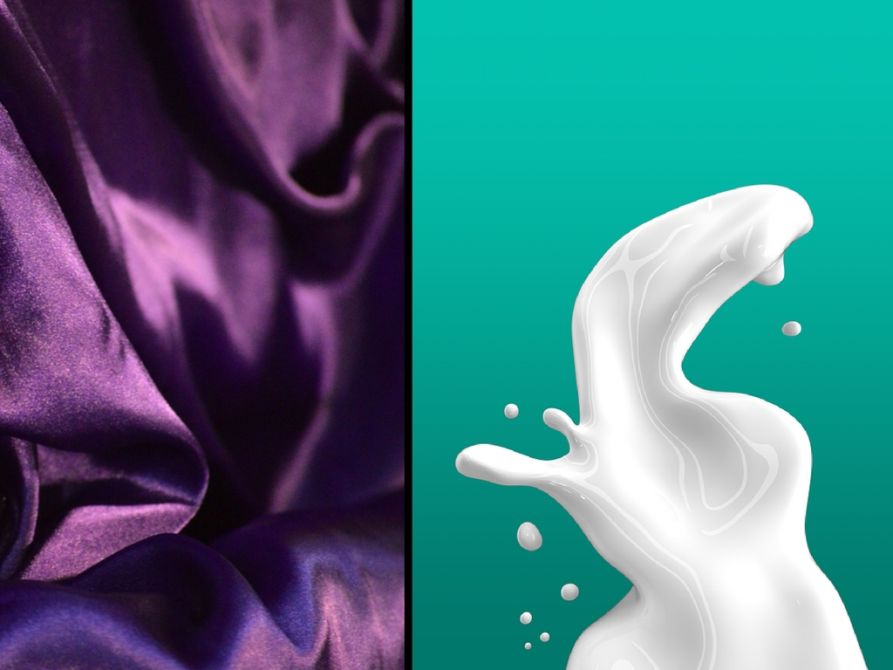
Hydrolysed silk and milk proteins – guaranteed hair regeneration!
Hair moisturising – humectants are a hit!
Humectants – substances whose molecules can bind water – are responsible for proper hair moisturising. If your hair is dry and needs a good dose of hydration, choose cosmetics containing honey (honey, honey extract), aloe vera (aloe vera), glycerin (glycerin), urea (urea) or d-panthenol (the name in the composition is the same). However, when using humectants, you must follow two rules.
First, hair moisturising will only be effective if you seal it with an oil (emollient) after using a mask or conditioner with humectants. If you don't, all the water retained in the hair by the humectants will simply evaporate from the strands, leaving them even drier. Therefore, humectants should only be used with oils – never alone. Secondly, it is worth applying humectants no more than once a week – honey or aloe vera, in excess, have the ability to retain water, but in excess, they will harm the hair by "drawing out" more and more water. Limit humectant care to one treatment per week – you will certainly be satisfied, and your hair's hydration will greatly improve.
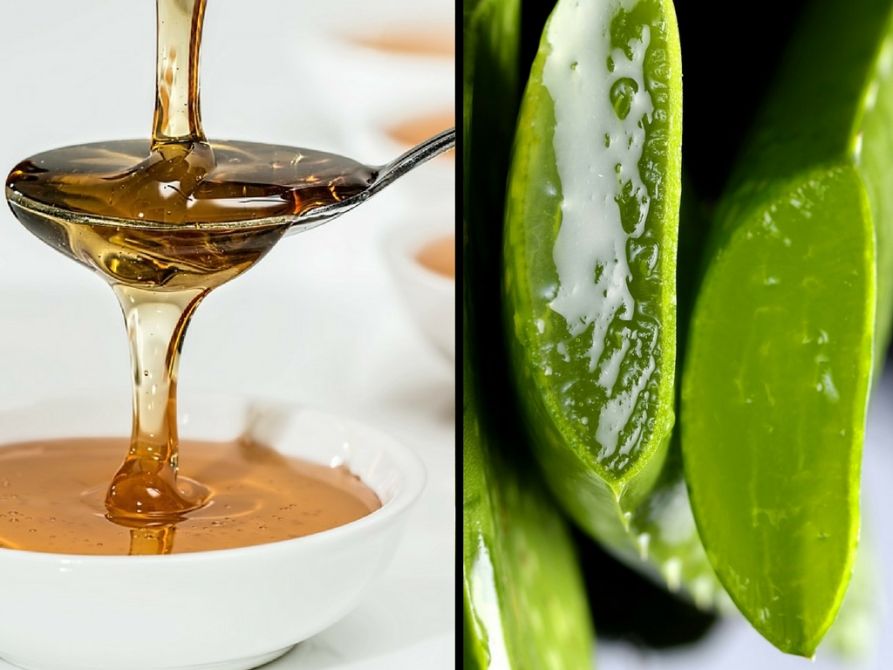
Honey and aloe vera – popular humectants for hair moisturising
Hair protection – try emollients
Hair emollients are substances that form an occlusive (protective) layer on the surface of the hair. By doing so, they prevent water from evaporating from the hair – which is why they should be used immediately after applying humectants. Hair emollients are divided into those of natural origin (all types of oils) and those of synthetic origin (silicones). It is worth using them in the form of an oil or serum to finish your hairstyle – on the ends (if your hair gets greasy) or along the length, from the ear downwards. Thanks to this, your hair will look great – it will become shiny, loose and pleasant to the touch, and hair protection will be maintained.
When it comes to the names of hair emollients in cosmetics, simply look for an oil designation (castor oil, olive oil, coconut oil...) or silicone (substances ending in methicone). And don't worry – silicones won't dry out your hair if they are not used in cosmetics containing denatured alcohol (alcohol denat). Avoid it like the plague!
Hair emollients are gentle enough to be used after every wash – in the form of a conditioner or oil, to protect hair from mechanical damage. Another great method for applying emollients is oiling (applying pure oil a few hours before washing or overnight). If you haven't tried this method yet, be sure to give it a try – it has a beneficial effect on dry and damaged hair – especially after winter!

Regular hair protection based on emollients will quickly bring results!
And you? How do you care for your hair after winter? Do you have any proven methods? If so, share them in the comments!
Other categories:
hold-ups with garter belt black knee socks patterned leggings thick tights maternity leggings insulated sports leggings plus size self-supporting stockings black over-the-knee socks women's knee-high socks women's wool over-the-knee socks