

 Feb 9, 2018
Wool, acrylic, cotton tights…
Which hosiery material provides warmth, which provides flexibility, and which provides durability?
Do you know which hosiery material is best? Which provides warmth, which ensures durability, and which affects the elasticity of a given model? If not, I invite you to read this article – I have created a kind of guide to the materials used in hosiery production. Thanks to this reading, you will find out which composition will best suit your needs!
Hosiery materials can generally be divided into two categories: naturally derived and synthetic. Each of these materials is essential in hosiery production, and the combination of both types of yarn: natural and synthetic, gives the final product both extraordinary durability and softness and delicacy.
Polyamide, elastane, lycra – how synthetic hosiery material strengthens them and makes them resistant to damage?
Synthetic fibers are designed to strengthen the structure of tights while increasing their elasticity. One of the first fibers that revolutionized hosiery production was nylon – a durable and relatively transparent material, ideal for producing stockings. However, it had one drawback – it deformed and stretched out, and consequently – stockings made of it quickly lost their shape. Therefore, other fibers were sought that could replace nylon, and eventually, hosiery materials were developed that made this product cheaper, widely available, more durable, and more resistant to mechanical damage. What fibers are tights currently made of?
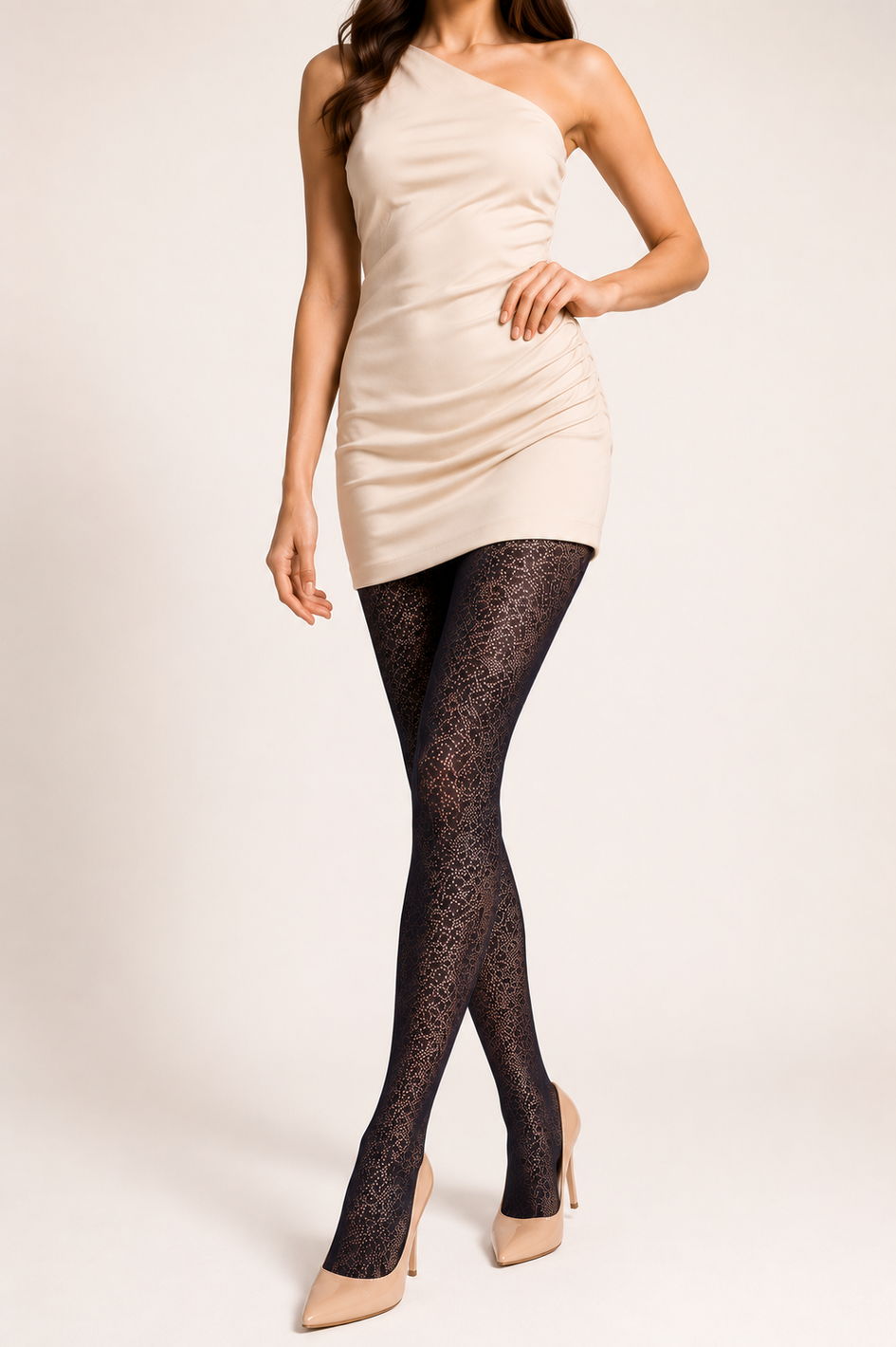
- Polyamide – this synthetic fiber is characterized by incredible resistance to two types of mechanical damage: tearing and abrasion. Therefore, polyamide as a hosiery material works well in almost all models, especially when dealing with patterned tights. Thanks to the addition of polyamide, the patterns on the tights adapt to the body but do not stretch excessively, so they look aesthetically pleasing in both small and large sizes.
- Elastane – is responsible for the perfect fit of tights to the figure and for maintaining the proper form and shape of tights or stockings – even after many washes or after several hours of wearing. Elastane in the composition of tights also guarantees a perfect fit of the tights to the figure, which is why it is so often used in the production of winter tights, opaque leggings, or thermal underwear.

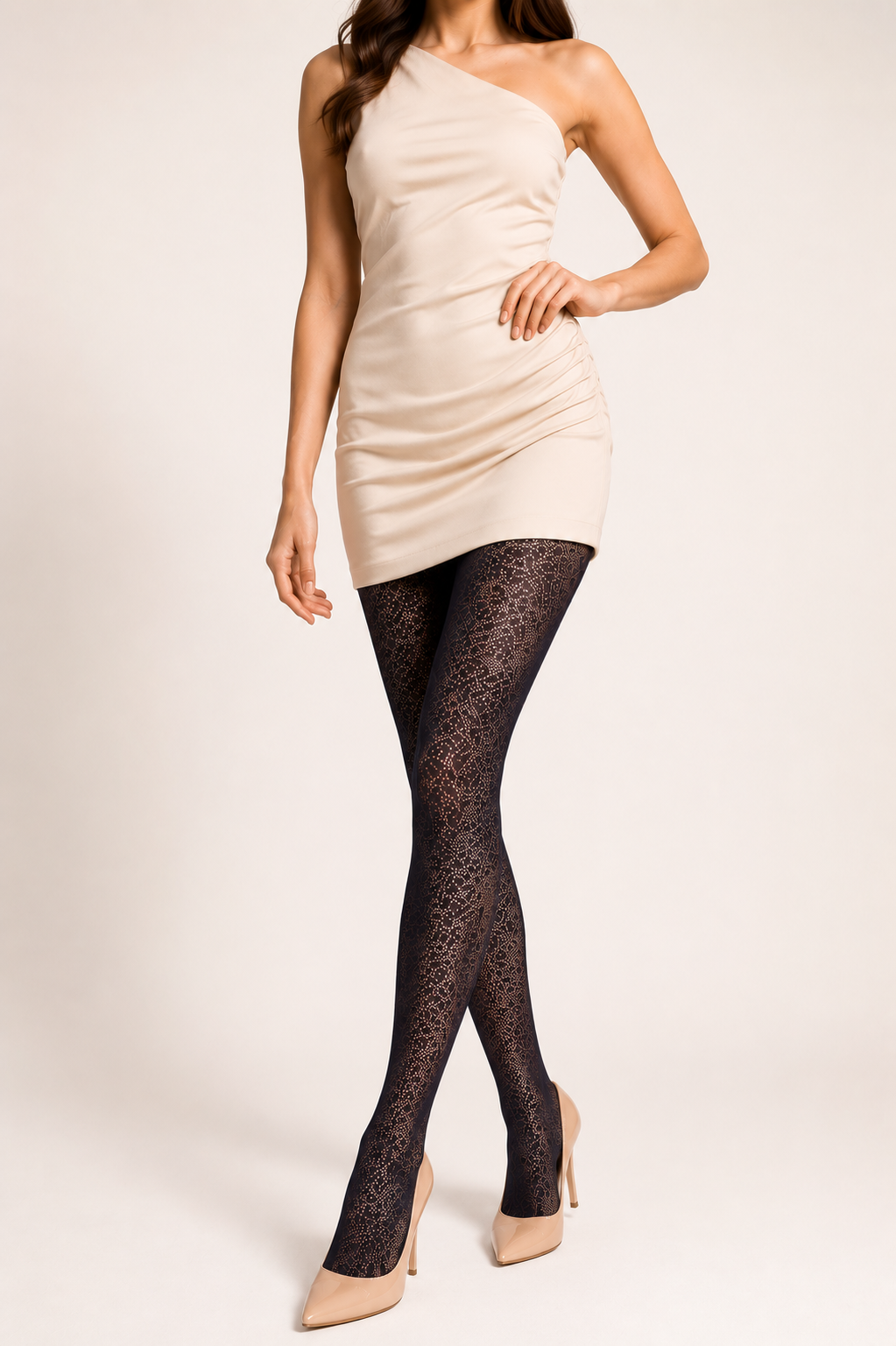
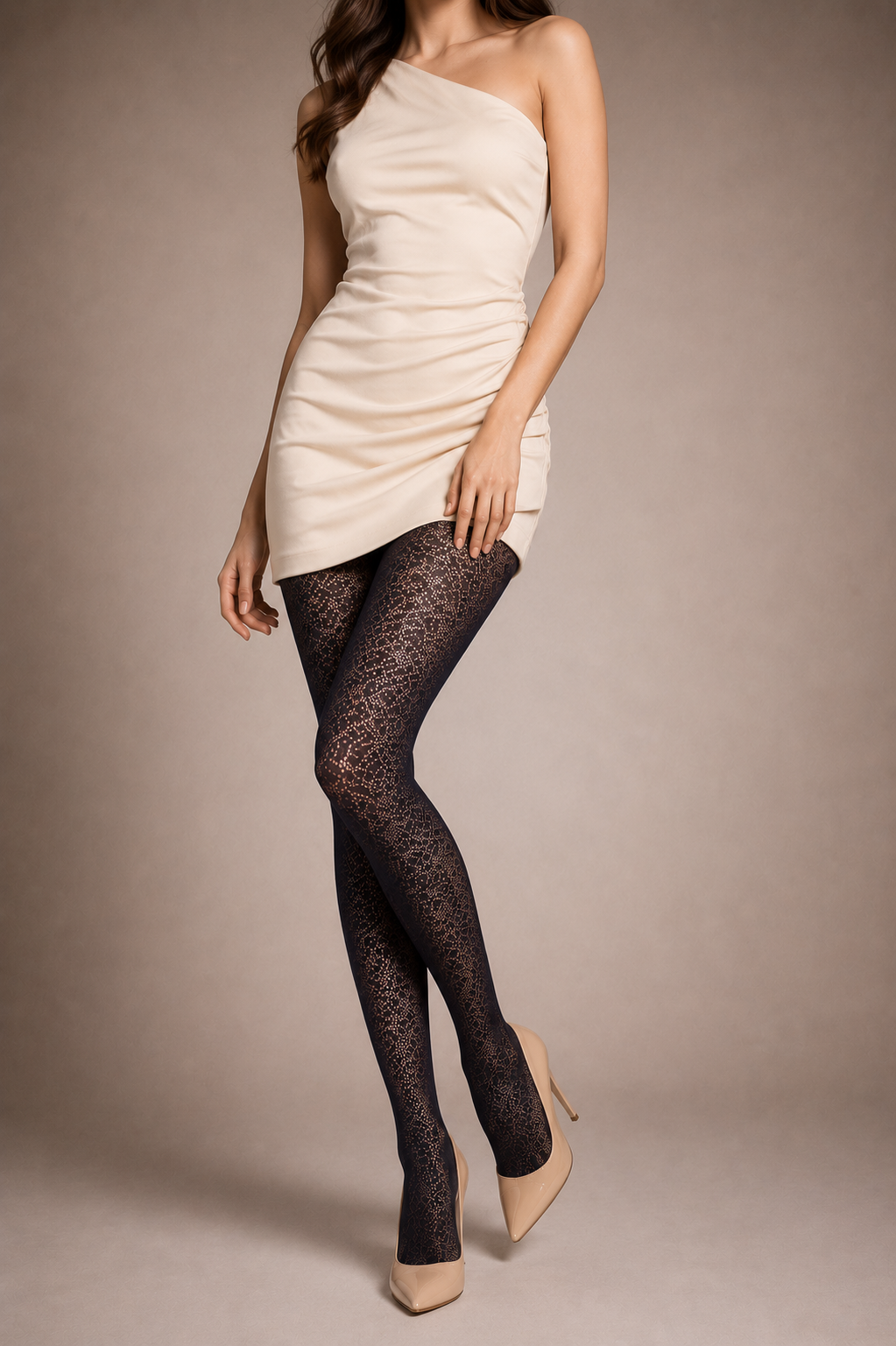
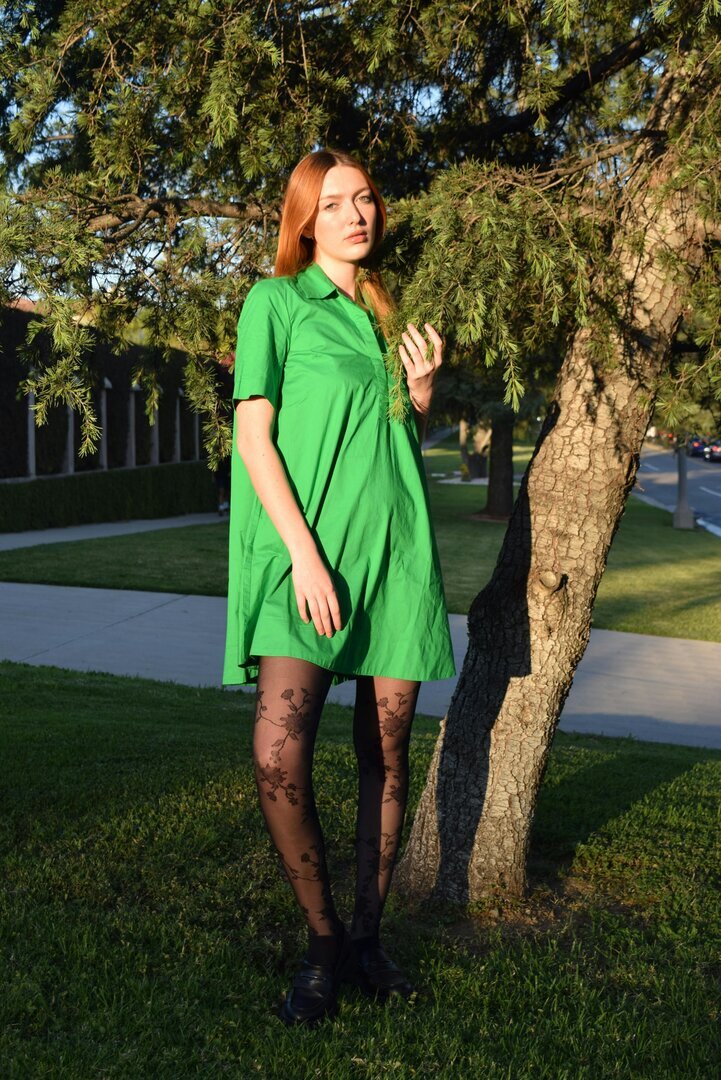
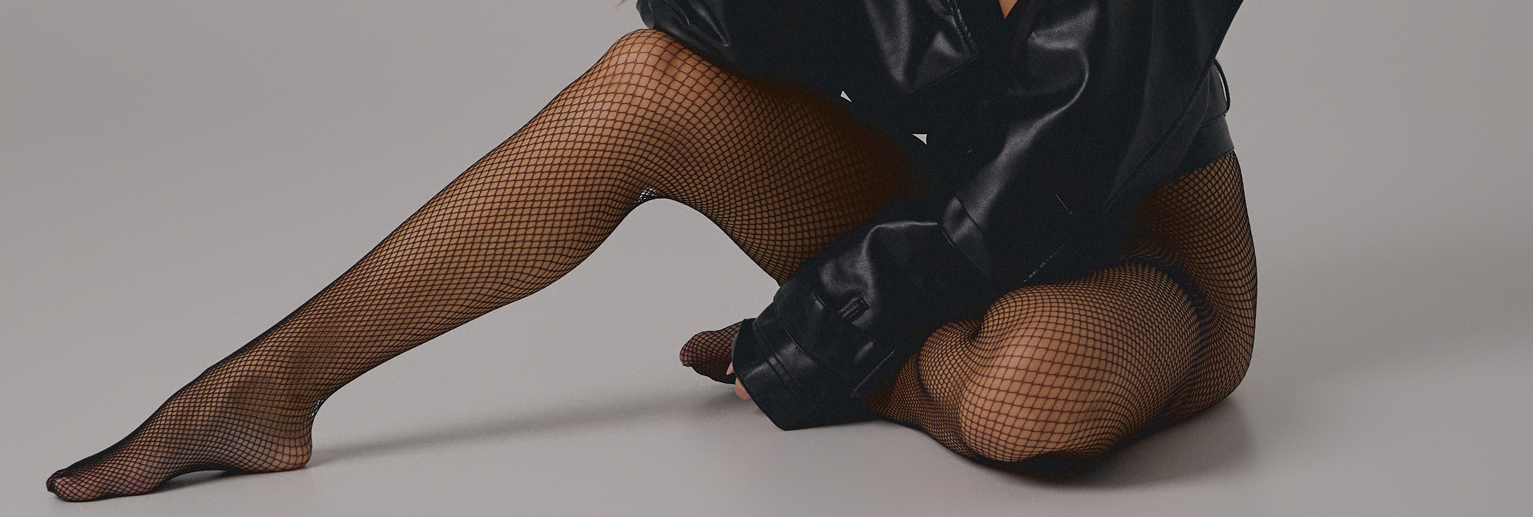
Elastane ensures that even patterned tights return to their shape after many hours of wear or intensive washing
- Polyester – this synthetic fiber is demonized by many, but its addition to tights is invaluable. First of all, hosiery material with polyester is extremely resistant to stretching, as well as to sudden temperature changes (which is why it is added to winter tights). In addition, polyester dries extremely quickly, so in combination with wool or cotton, it creates an ideal blend for creating opaque leggings, thermal shirts, or exercise clothing.
- Acrylic – this fiber resembles wool in structure, but it is more resistant to pilling, easier to iron, does not wrinkle, and dries much faster than its natural counterpart. Acrylic tights are most often winter tights because they are warm, thick, and soft – ideal for colder seasons. In addition, acrylic tights look extremely girlish and match many styles.
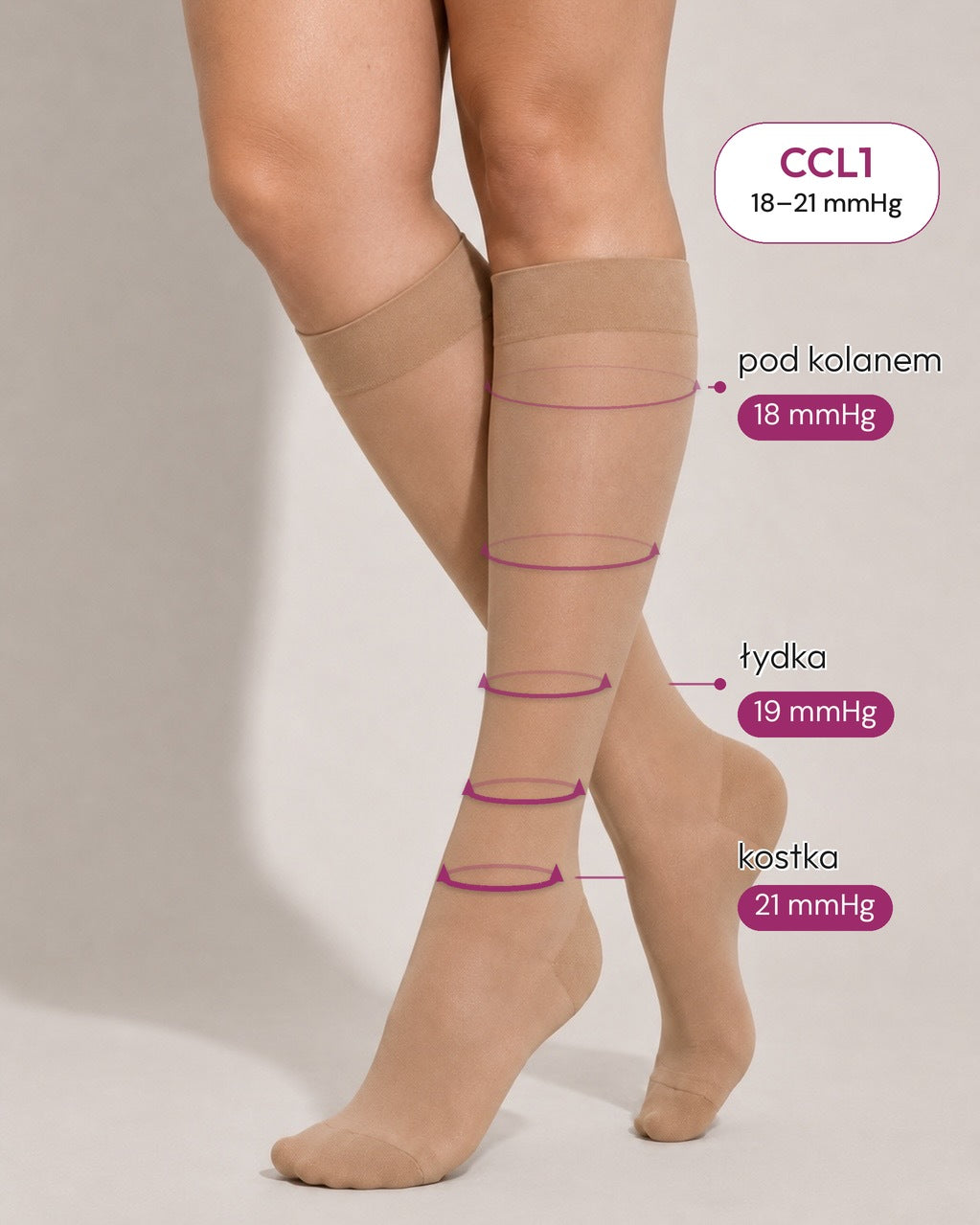
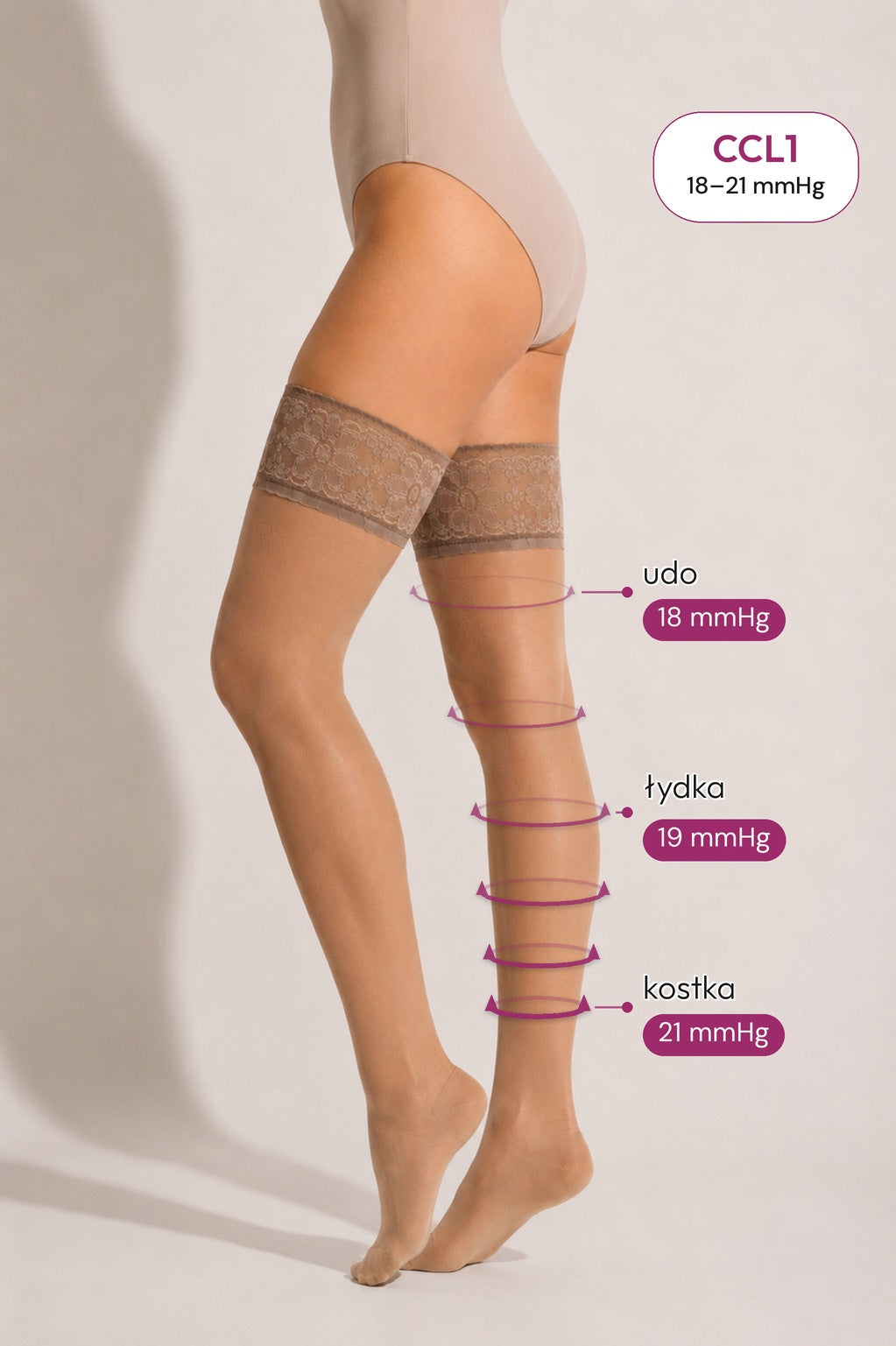
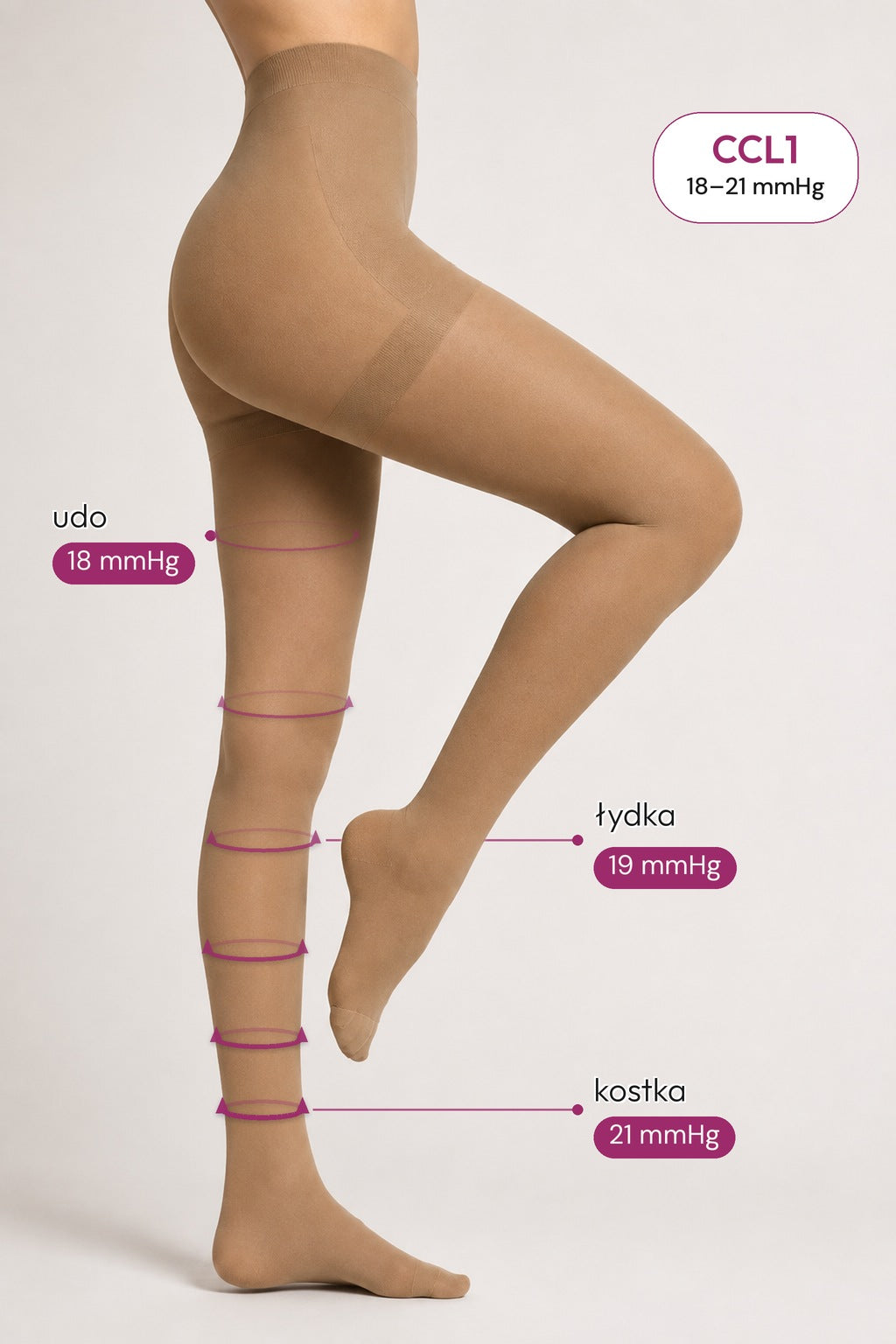
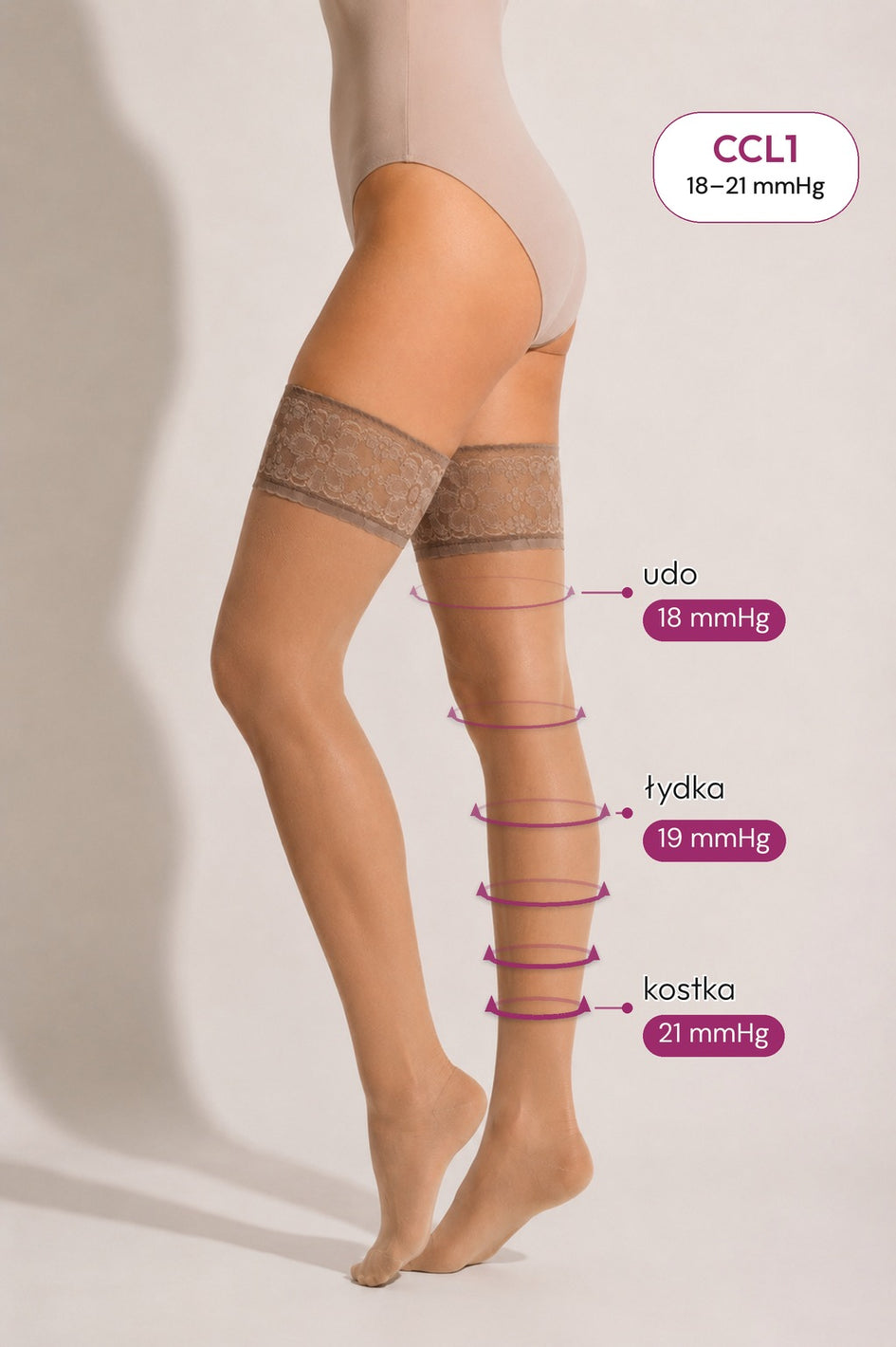
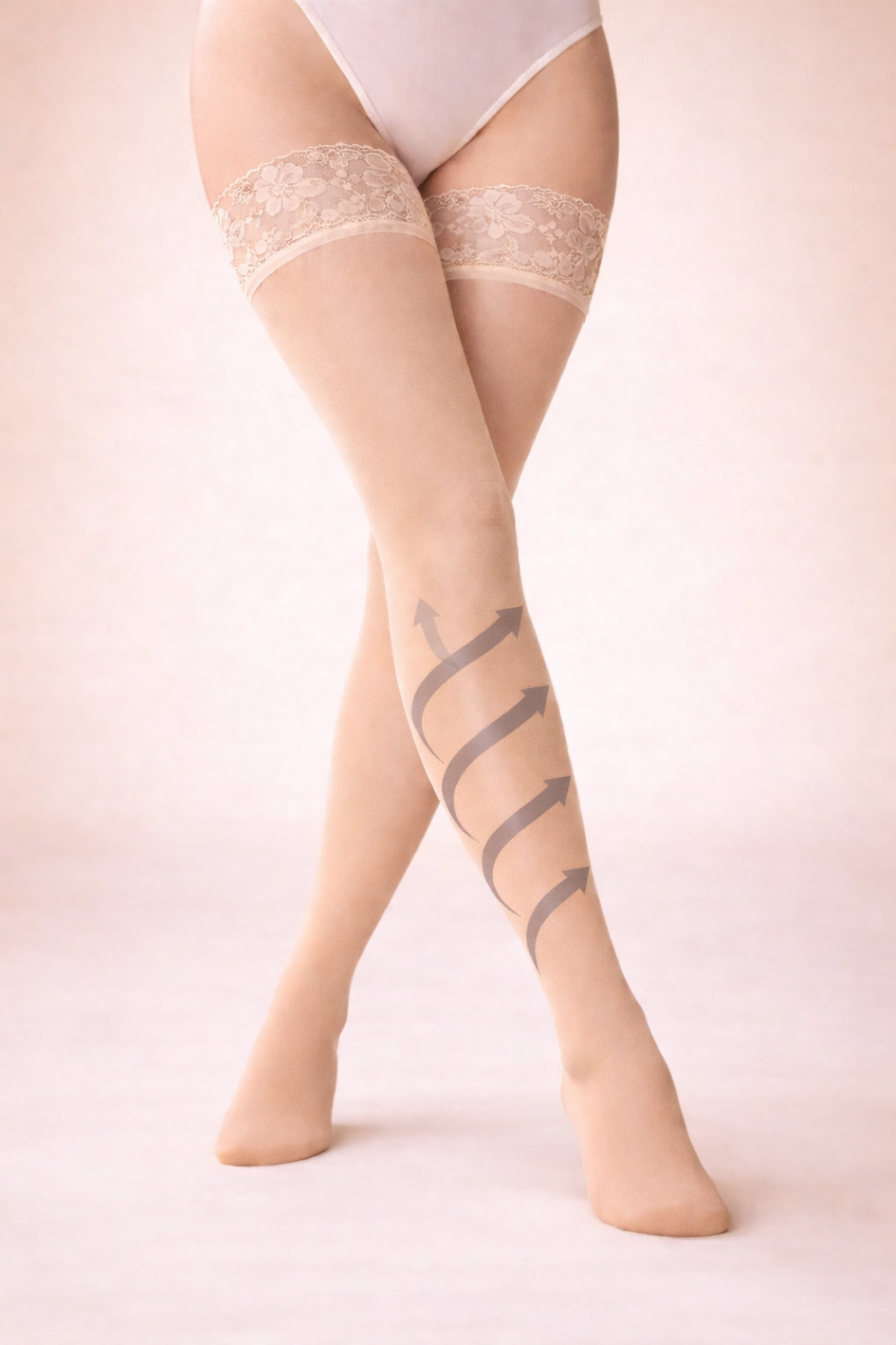
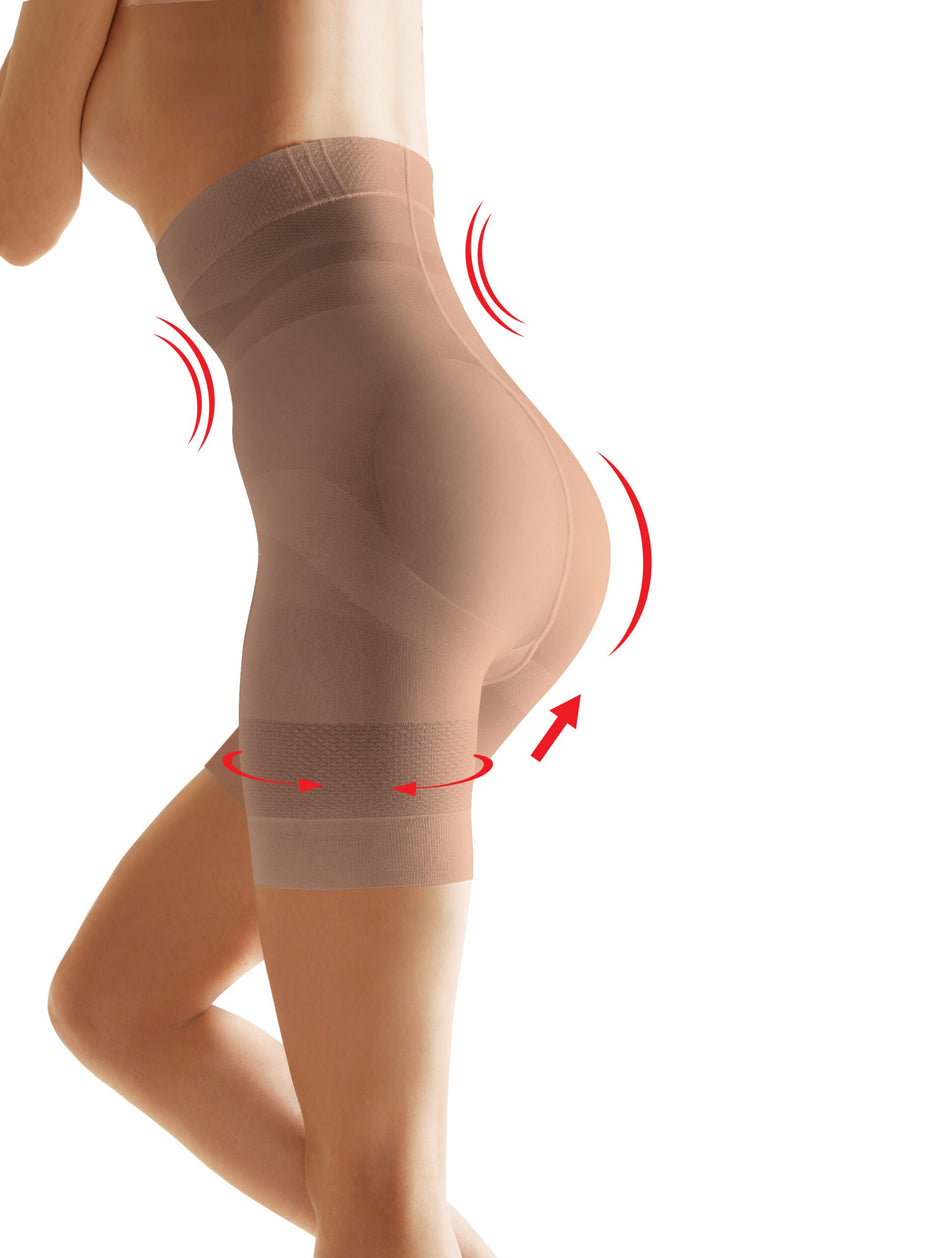
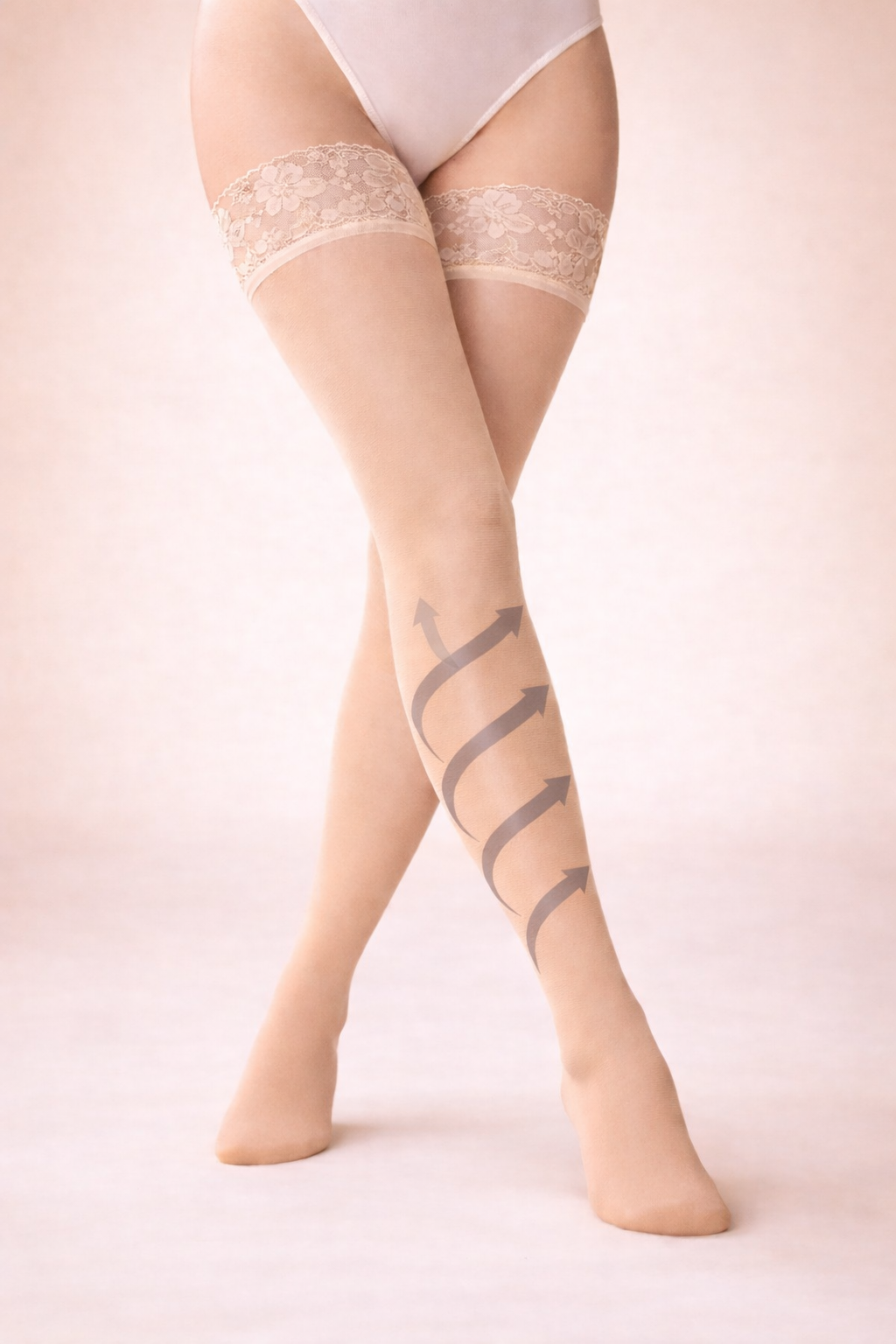
- Lycra – is a fiber that has extraordinary properties: it gives tights elasticity, and additionally, when properly woven, it has anti-varicose properties. Medical tights with Lycra cause a gentle, gradual compression, which stimulates blood circulation and eliminates the feeling of "tired legs." In addition, Lycra tights are also used in the prevention of cellulite.
- Metallic yarn – also known as Lurex – is a yarn that gives tights a shimmering finish. Like other synthetic fibers, metallic yarn is resistant to stretching, and consequently – to mechanical damage. Lurex beautifully reflects light, which is why manufacturers most often use it in evening hosiery models, as well as to diversify everyday, ordinary winter tights or classic, thin models.
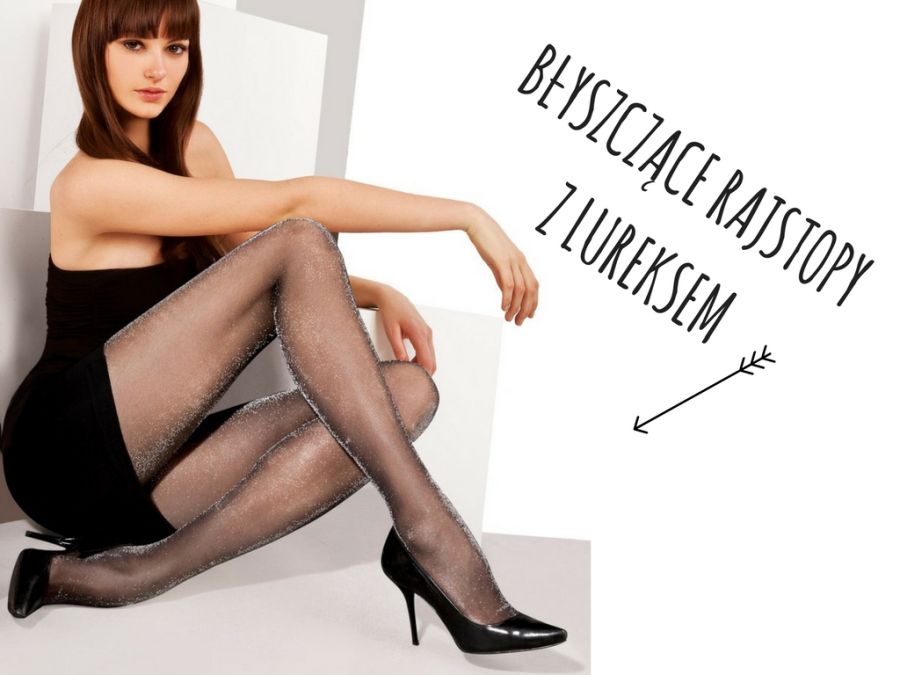
Lurex is a yarn that makes tights shimmer and sparkle with every movement
Wool tights, cotton tights – natural materials for your comfort
Naturally sourced hosiery material makes finished products breathable, comfortable to wear, and soft to the touch. What natural raw materials are most often used in hosiery production?
- Cotton is a natural, plant fiber obtained from shrubs known by the same name (cotton shrubs). The quality of this fiber depends primarily on the method and frequency of its combing. The most pleasant to the touch is cotton combed many times – unfortunately, it is also the most expensive. Cotton tights usually have an addition of Lycra, elastane, or polyamide, because pure cotton is not sufficiently stretchy. What are the advantages of cotton tights? First of all, they are very comfortable for the body – they ensure free air circulation and easily absorb moisture. Cotton is also suitable for the production of other clothing items – a good example is opaque leggings, which are primarily intended to be comfortable to wear, and cotton guarantees this comfort.
- Wool – a hosiery material that is ideal for winter. Wool is obtained from animal hair, which gives it extraordinary properties: it retains heat for a long time, absorbs water, does not wrinkle excessively, and its tight weave also guarantees wind protection. Tights with wool are therefore an ideal choice for autumn, winter, and early spring, when temperatures are still not spoiling us. It is worth knowing that wool tights must always have an addition of synthetic fiber: polyester, acrylic, or polyamide. This increases the resistance of wool tights to mechanical damage, pilling, as well as stretching and repeated washing.
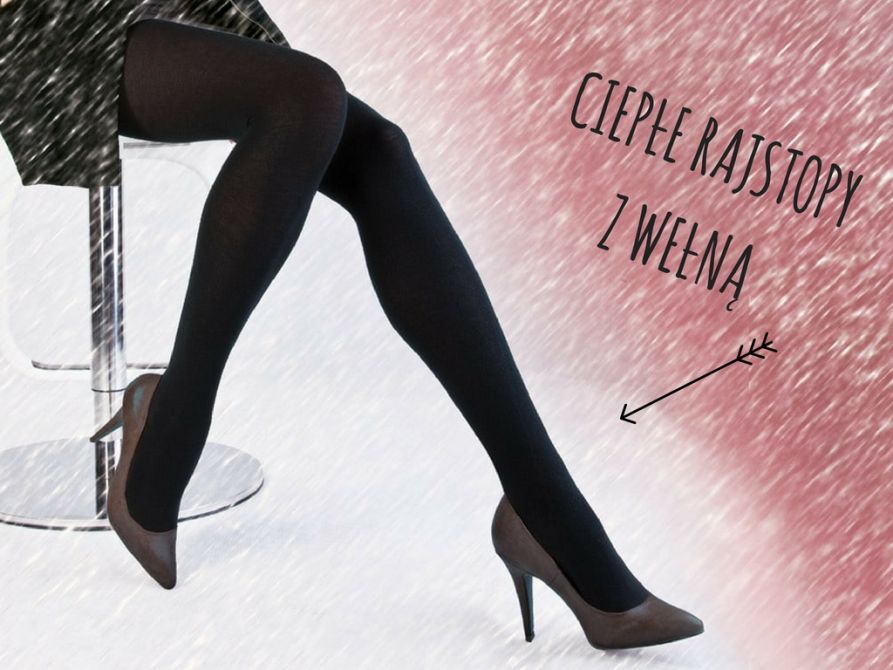
Tights with wool are an ideal choice for autumn and winter
Above, I described the most popular types of synthetic and natural fibers used for hosiery production. The most important information is that only a blend of synthetic and cotton or wool makes tights durable, flexible, and at the same time comfortable to wear. And you? Which material do you most like to wear on your legs?
Other categories:
black tights insulated women's leggings ballet socks boys' tights socks self-supporting stockings with lace black sports leggings nude footlets polka dot socks varicose vein stockings