


 Dec 16, 2022
All about DEN: how to determine the strength of tights?

No one wants an unsightly "ladder" to appear on their leg during a wedding, business meeting, or date. What can be done to extend the durability of tights? And which ones will prove to be the most resilient? We have the answers!
Tights durability: what does DEN mean?
To understand what tights' durability depends on, you need to look at their most important parameter: DEN (denier). This is a unit of linear density for synthetic fibers, which you'll find on the labels of various hosiery products. One DEN represents a 9000-meter fiber weighing 1 gram.
Simply put, the higher the DEN of your tights, the thicker and more resistant to tearing they are.
Tights division by DEN
In our online boutique, you'll find women's tights in various thicknesses – from those as sheer as a mist to super-warm models perfect for winter. What characterizes each of them?
6-12 DEN tights
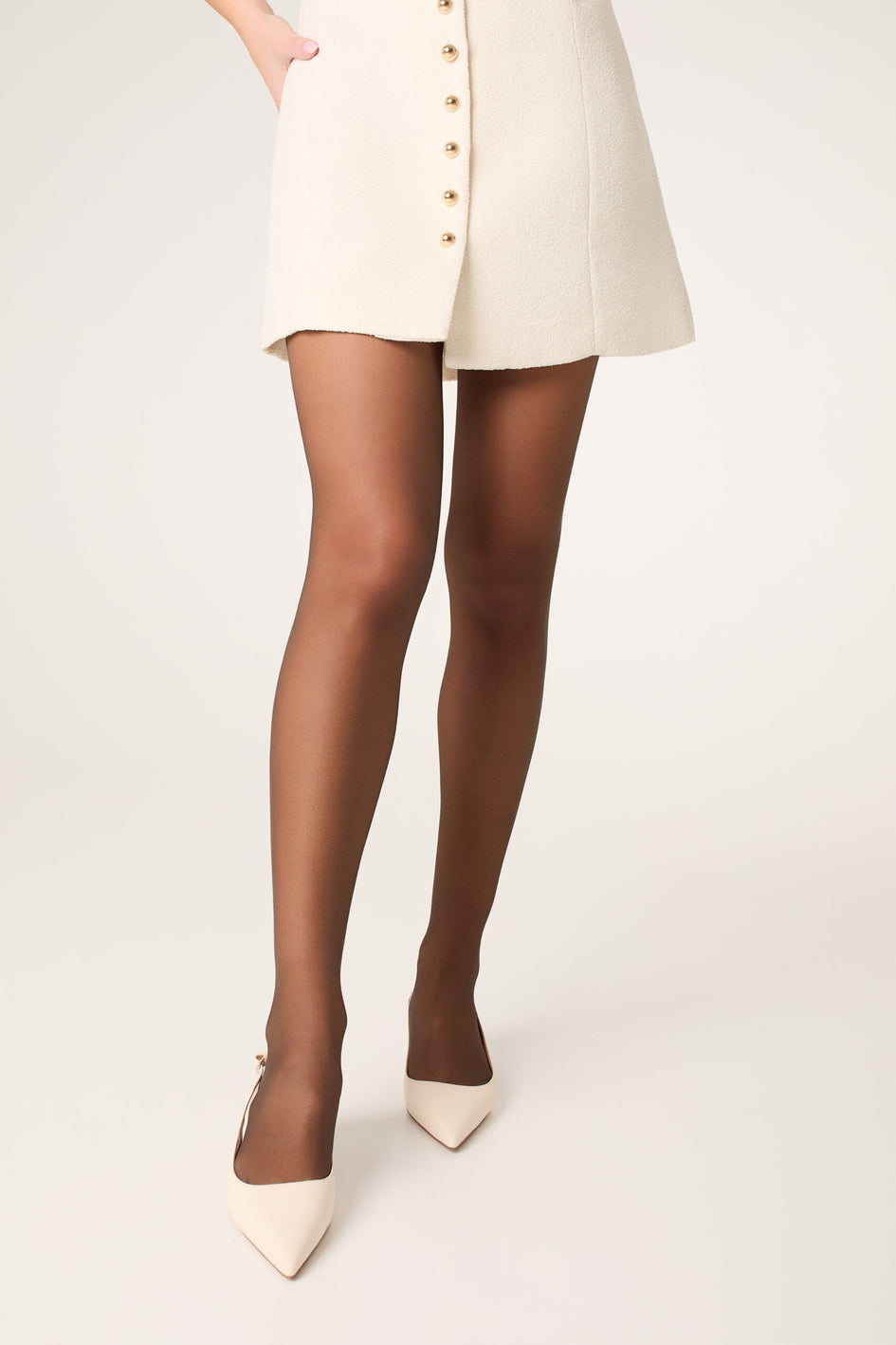
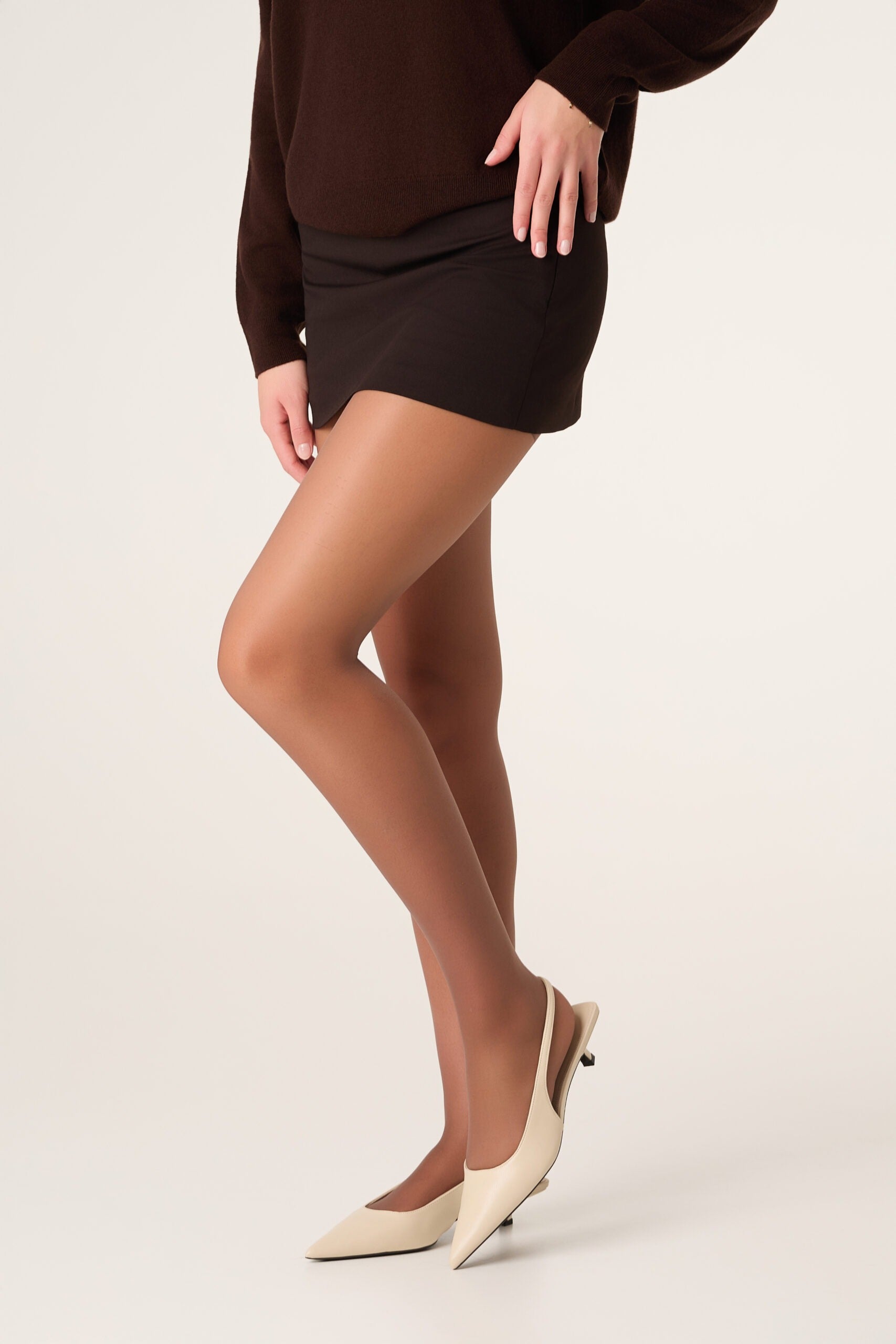
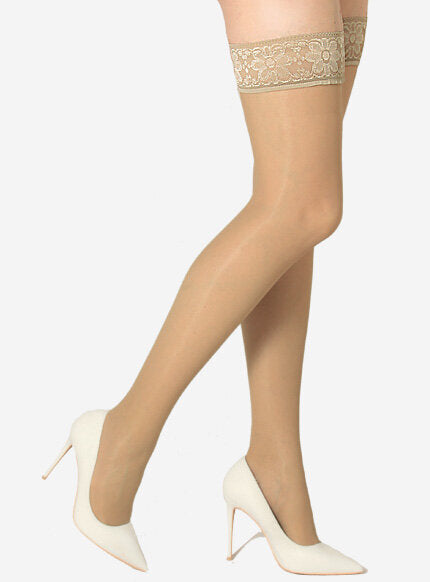
Thin 6-12 DEN tights are barely visible on the legs and cover them with a light sheen of aesthetic glow. This is an option for women who want a subtle look for warm days and for their tights not to clash with the rest of their outfit.
15-40 DEN tights
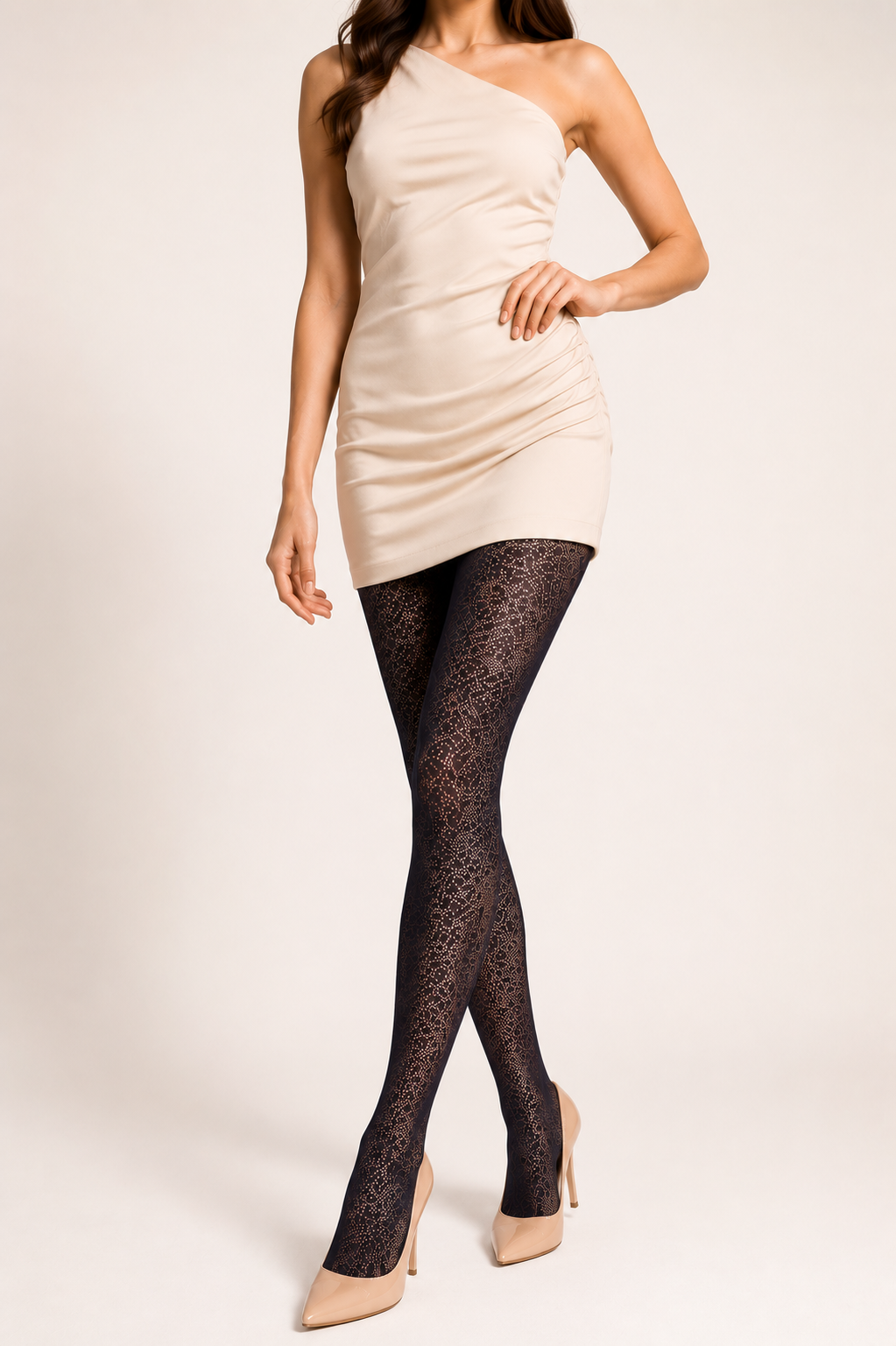
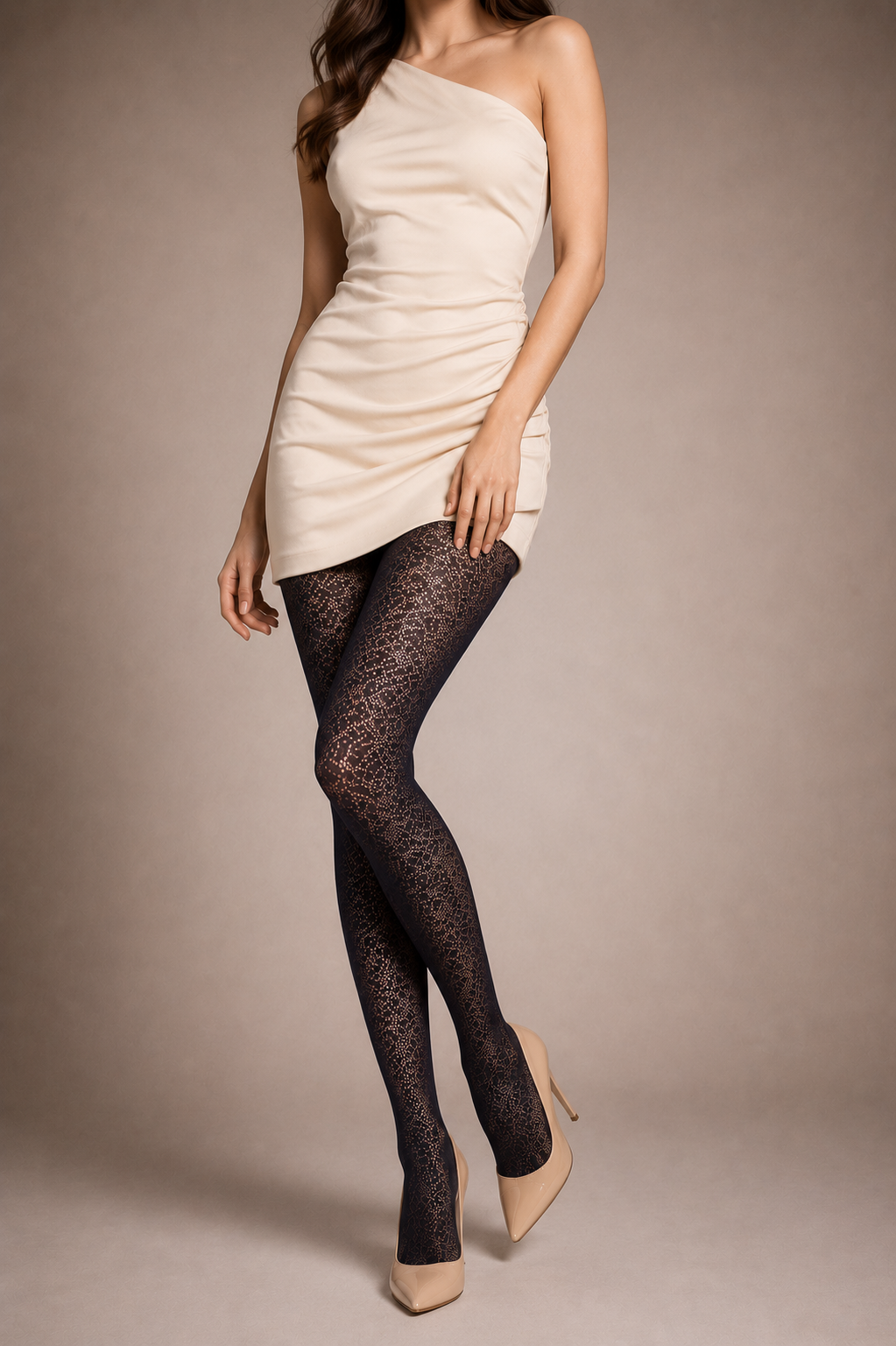
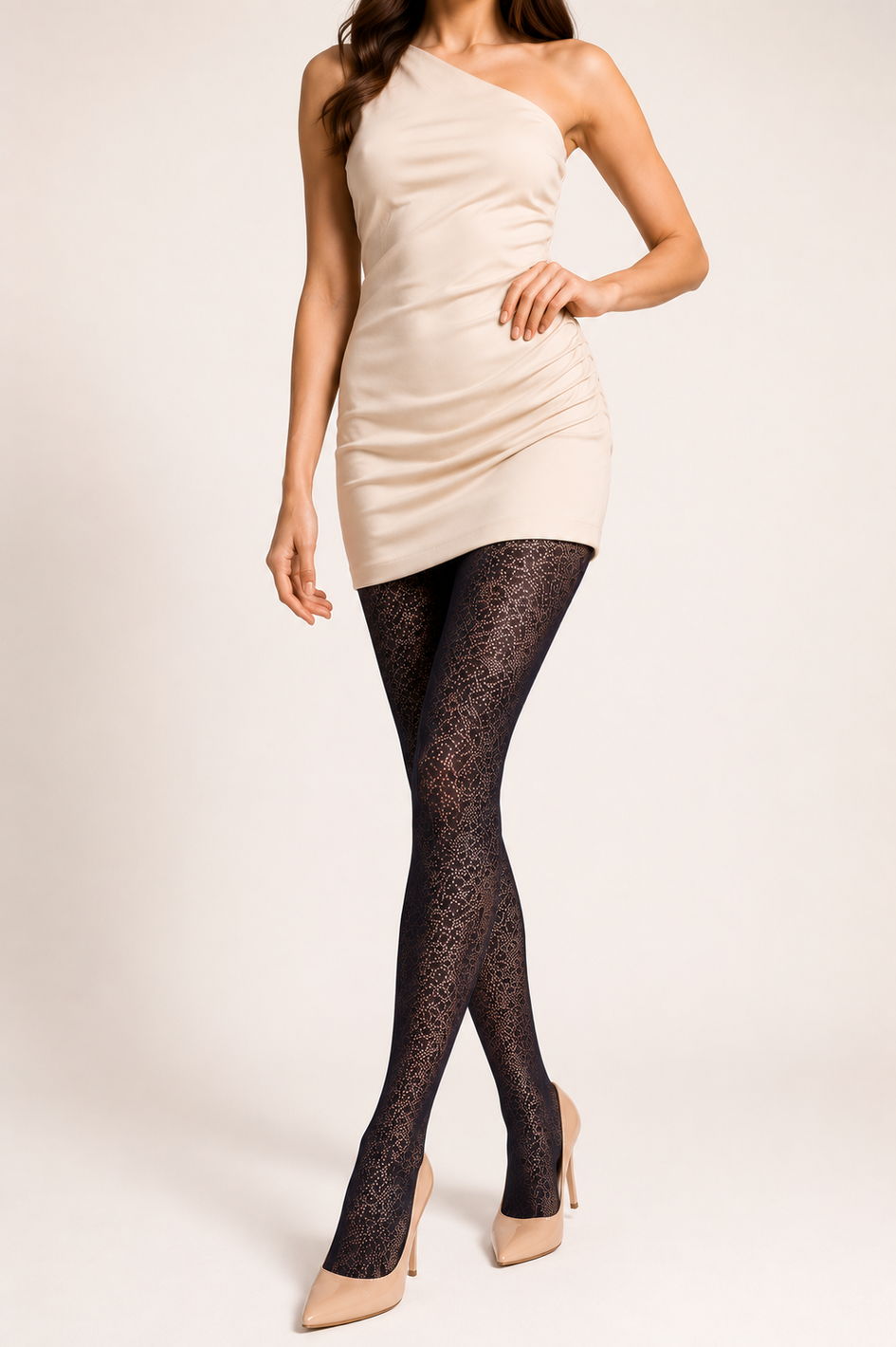
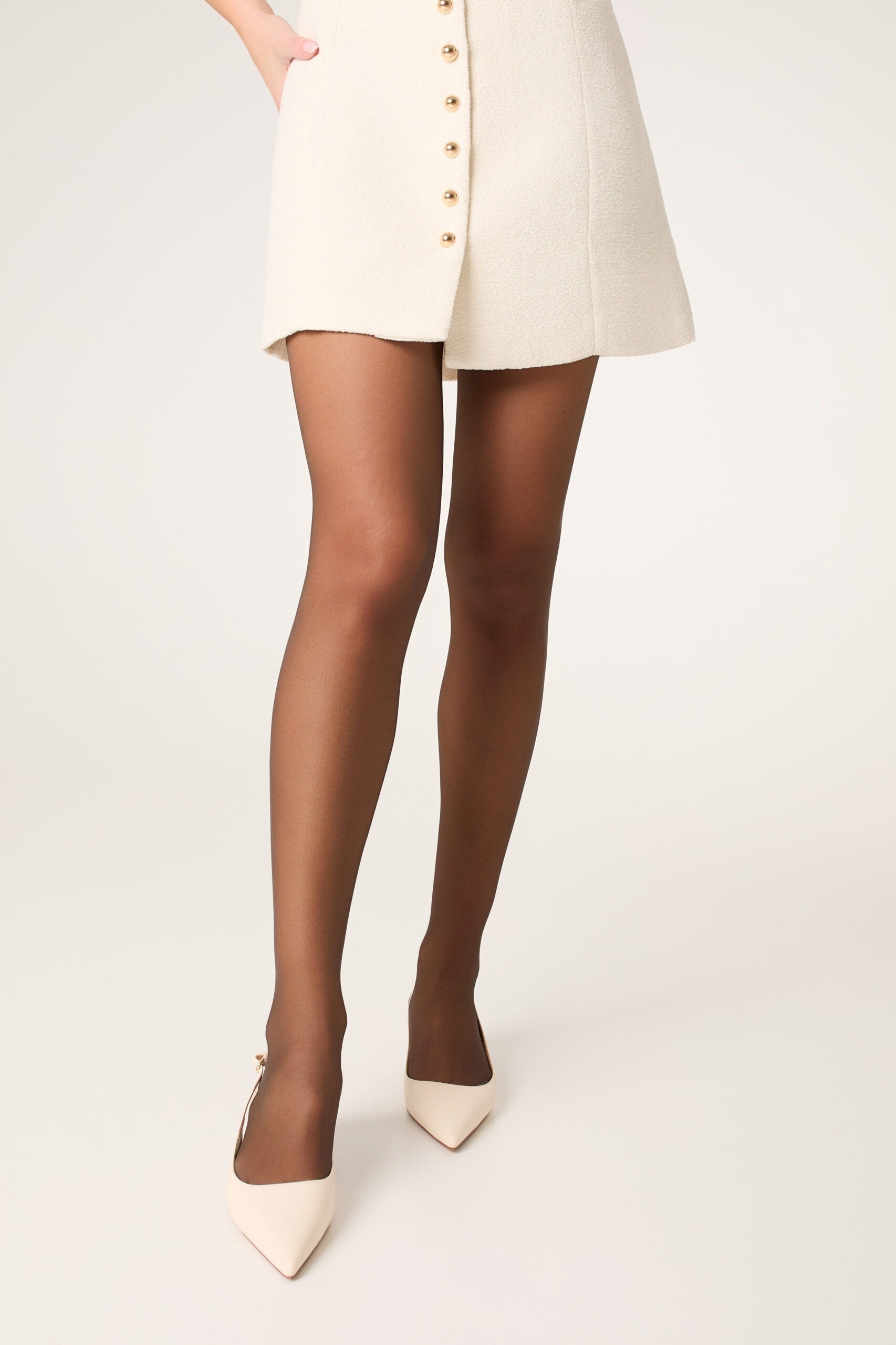
In this group, we find tights that are still delicate, but already noticeable on the feet. 15-40 den tights can be uniform or patterned. This is definitely the most frequent choice of our customers, proving suitable for many occasions.
40-60 DEN tights
Tights with thicknesses of 40-60 DEN are significantly more opaque and warmer. They can come in various colors and patterns, clearly adorning the legs. They work well in spring and autumn.
60-100 DEN tights
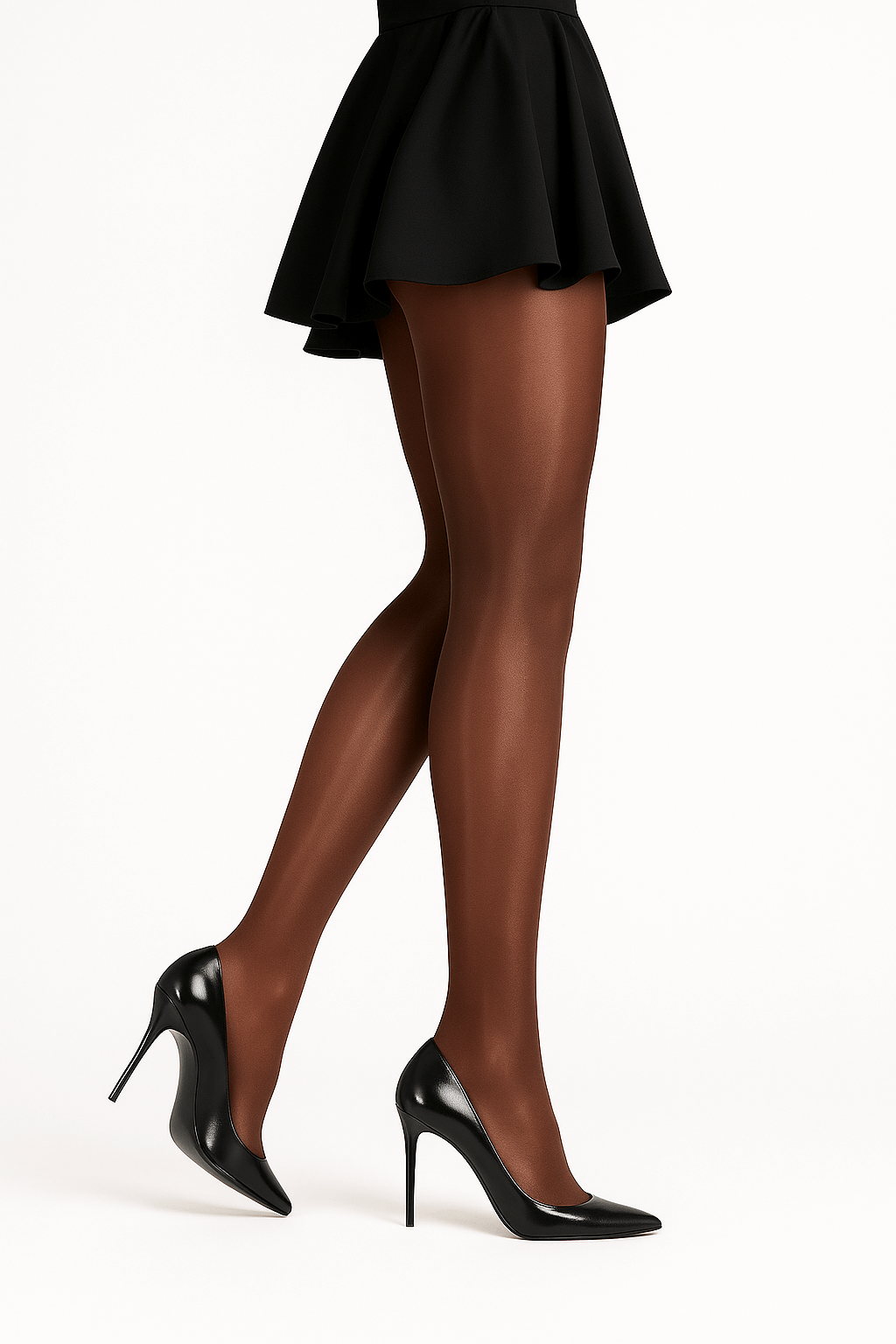
The next category includes warm 60-100 DEN tights – a choice for those who truly feel the cold but don't want to give up interesting outfits on chillier days. Many women even wear them in winter.
Tights thicker than 100 DEN
Very cold? No problem: reach for tights over 100 DEN thick. You'll find such models in our boutique too! Thick tights can contain blends of materials that are excellent at protecting against the cold, such as wool. They can be worn with dresses and skirts, as well as under trousers, for additional protection.
How to extend the life of tights?
Logically, the thickest tights are the most durable. However, it's worth knowing that even light tights can be tear-resistant if you remember a few simple rules.
Choose tights with Lycra (elastane)
The durability of tights is determined not only by DEN, but also by their composition. Low-quality tights made from unsuitable yarn will not be durable even if they are thickly woven. When looking for a new pair, opt for tights with Lycra (i.e., elastane). This fiber is characterized by high elasticity, which provides tights with resistance to stretching and tearing. As it happens, most Lores products contain elastane – so you can be confident in their durability.
Be careful when putting them on
Unfortunately, the reason for tights tearing is often their wearers. Quickly and carelessly putting on tights will almost certainly result in snags or a ladder, so take your time. Put tights on your leg slowly, gradually unrolling them and avoiding sudden movements. Beforehand, it's worth taking off jewelry and moisturizing your hands with cream.
Reach for hairspray
A well-known method to increase the durability of tights is to spray them with a bit of hairspray once they are on your legs. This makes the material adhere better to the skin and provides temporary reinforcement. It's worth trying this trick on very thin and delicate tights. However, be careful: on colored and patterned models, hairspray can leave visible marks.
Remember about tights care
For your tights to last as long as possible, care for them diligently. Before each wash, place them in a protective mesh bag so they don't tear in the drum. Use gentle detergents for washing lingerie, moderate temperature, and washing machine spin cycles. It's worth avoiding tumble drying: Lycra tights dry quickly on their own.