 Sep 19, 2024
What's the best material for socks?
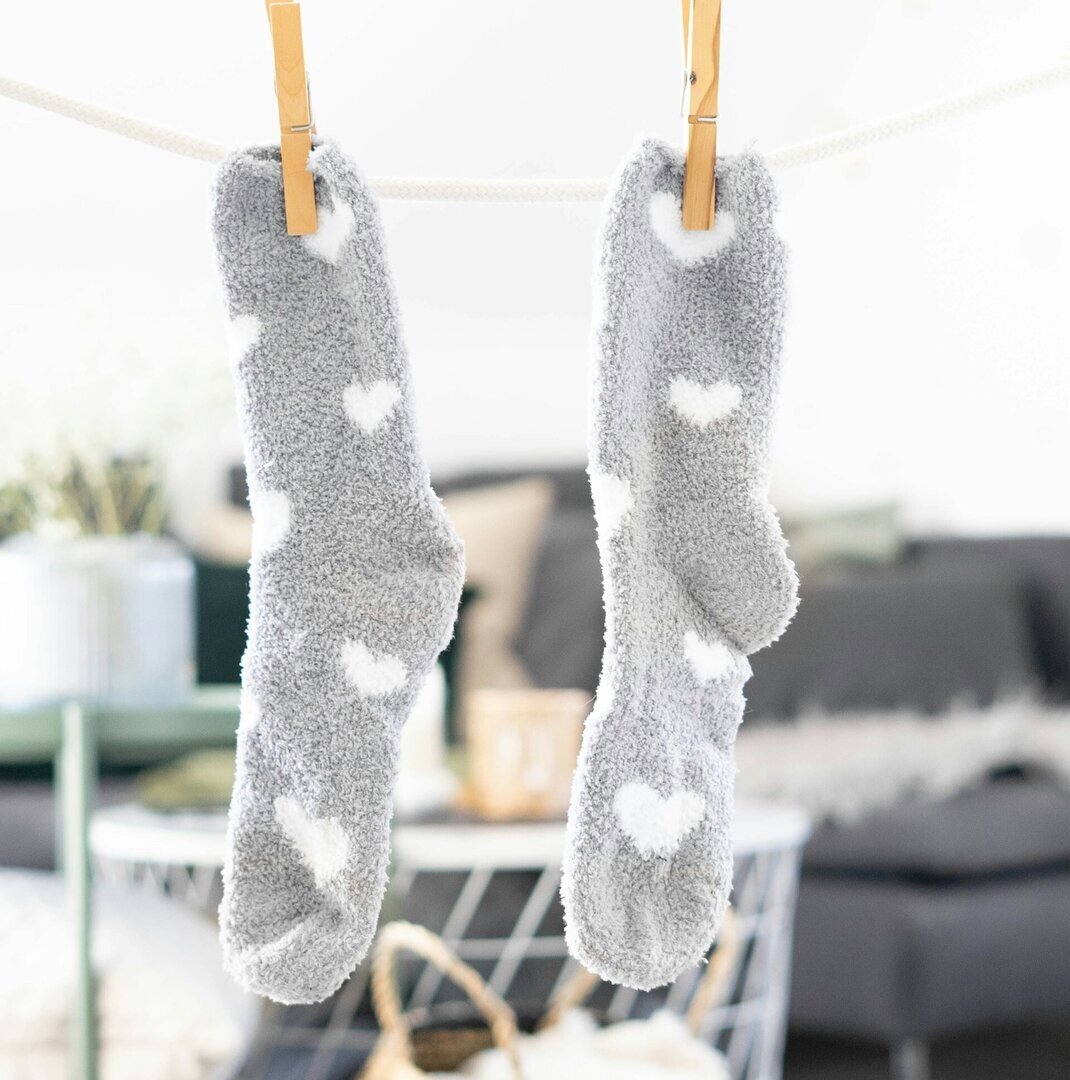
Consciously choosing your socks will prove to be a salvation for the skin of your feet. The most important feature of this underwear item is the material – today we suggest which fabrics for socks will be the best options.
Sock material: the secret to comfort
The material from which socks are made plays the most important role in ensuring foot comfort. It is worth remembering that socks should not only protect feet from abrasions but also provide breathability, wick away moisture, and maintain proper temperature. Appearance, though important, is at the end of this list. Regardless of whether you are looking for socks for winter frosts or light models for summer, the material will determine how long the socks will retain their properties and how they will perform in various conditions.
What material is best for socks?
Socks can actually be made from all fabrics, but only some of them can be considered foot-friendly. Here is a list of those worth inviting into your underwear drawer.
Cotton
Cotton is one of the most frequently chosen materials for socks. Why? It is natural, soft, and breathable, making it ideal for everyday use. Cotton socks absorb moisture well, which prevents feet from sweating. It is also hypoallergenic: a great choice for people with sensitive skin. The only drawback of cotton seems to be that it does not wick away moisture as effectively as other materials.
Bamboo fiber
Bamboo is becoming an increasingly popular material for socks. No wonder – it has many advantages. First and foremost, bamboo fiber is incredibly soft, which makes socks made from this material exceptionally pleasant to the touch. Bamboo is antibacterial, which helps combat unpleasant odors. Bamboo socks perfectly regulate temperature, so feet do not overheat in summer and are adequately protected from the cold in winter. It is also an ecological material that is biodegradable.
Viscose
Viscose is another natural material, produced from wood cellulose. Viscose socks are light, soft, and pleasant to the touch. Their breathability makes them ideal for warm days. Viscose absorbs moisture well and is extremely gentle on the skin. It is worth remembering, however, that viscose may be less durable than other materials and more prone to stretching.
Wool
Wool is an excellent choice for the winter months. Wool socks are warm, soft, and have the ability to wick away moisture, which keeps feet dry even during activity. It is worth considering purchasing socks made from merino wool, which is characterized by very high breathability.
Another advantage of wool socks is their natural odor resistance; this fabric has antibacterial properties, so feet remain fresh even after a long day.
Synthetic socks – should you give them up?
It is worth remembering that socks made of synthetic materials, such as polyester, polyamide, or elastane, also have their advantages – there is no need to demonize them! They are usually more durable than natural materials, wick away moisture better, and dry faster. Synthetic socks are also elastic, which means they adapt well to the foot, which is especially important during sports.
Most sock manufacturers combine synthetic fibers with natural ones. For example, cotton socks with added elastane are more elastic and resistant to deformation. Thermal socks made of synthetic fabrics are ideal for intense workouts, as they effectively wick away sweat and regulate foot temperature.
How to care for natural fabric socks?
To ensure your natural fabric socks last as long as possible, it's worth following a few simple care rules.
- First and foremost, it's worth paying attention to the manufacturer's recommendations on the label. Cotton or bamboo socks can be washed at 40°C, but wool socks require more delicate treatment; it's best to hand wash them in lukewarm water or use a gentle cycle in the washing machine.
- Use mild detergents that will not damage the fibers and will help maintain the softness of the socks.
- Avoid using too many chemicals, especially bleaches, which can damage the fabrics.
- Natural socks are best dried flat to avoid stretching the material and deformation.
What fabric makes the best socks?
The best socks are those that meet your needs. Cotton will work for everyday wear, wool for winter, and bamboo for hot days. It is important that socks are breathable and wick away moisture, which ensures comfort and foot health. For activities, you can reach for synthetic socks that dry quickly.
How to care for socks?
Socks are best washed at 30-40°C, according to the manufacturer's recommendations. Avoid using bleach and strong detergents, especially for socks made of delicate materials. Dry socks flat to avoid stretching.
Where to find good quality socks?
Does your sock drawer need restocking? Check out Lores' offer and buy comfortable, fashionable models for every season!