

 Oct 19, 2023
Can matte tights be eco-friendly?

And it's a good thing, because studies speak for themselves – the clothing industry is responsible for a lion's share of global pollution. What can you do to make your wardrobe a bit more ethical for the environment? Carefully consider every choice, even if it's just tights. Check if matte tights can be ecological and how to wear them responsibly!
What are tights made of?
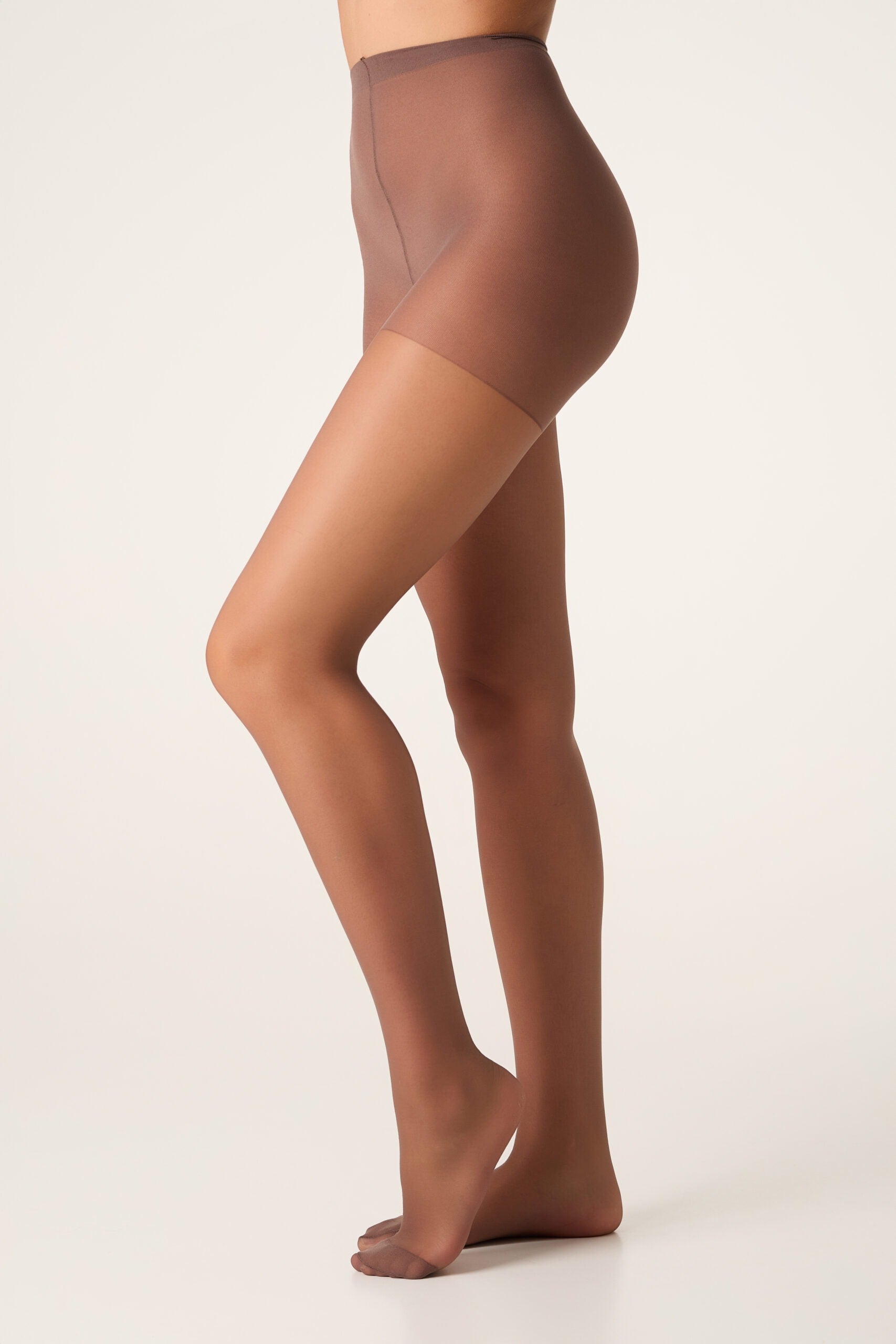
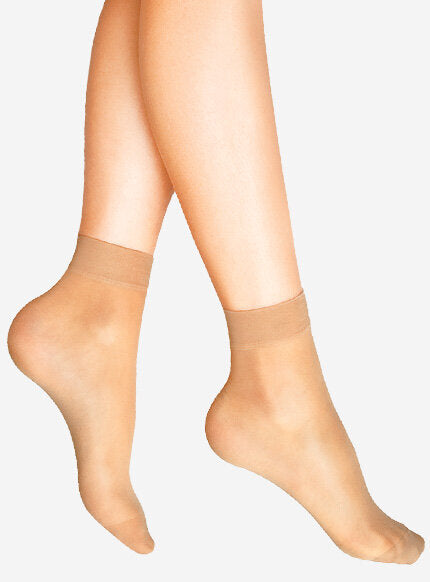
The tights we know today are made of nylon, also known as polyamide. This material is synthetic, and its invention in the middle of the last century caused a major revolution in the fashion market. Thanks to nylon, tights and stockings became cheaper, more accessible, more durable, and could also come in various patterns and colors. Polyamide allows for the creation of matte tights and shiny tights. No wonder nylon tights are loved worldwide for their stretchiness, elegant appearance, softness, and flexibility.
Is nylon ecological?
However, it must be admitted that nylon production is not free of controversy. It is made from polyamide resin, which is then melted and forced into a special die that produces thin fibers. This process generates exhaust gases that can be harmful to the environment. Furthermore, tights are underwear that is prone to tearing – many women complain that they often have to throw them away to buy a new pair.
More and more often, you can find "ecological" alternatives to nylon tights, made, for example, from silk. However, it should be borne in mind that such tights are, first of all, very expensive, and secondly, the production of silk itself cannot be called entirely environmentally friendly. Silkworms – living creatures that produce silk – suffer from it, for example.
Ecological tights can be found among wool and cotton models. However, it is obvious that we will save such choices for cooler seasons – autumn and winter. In spring and summer, we are looking for tights as light as a mist, airy, and almost invisible to the naked eye. So how do we get out of the ecological dilemma?
Ecological women's tights – is it possible?
Although nylon has its drawbacks, we can state with full conviction that no better fabric for producing tights has been invented to date. Its low price and numerous advantages make it suitable for creating various hosiery products. Moreover, responsible companies, including our store, are constantly optimizing production processes to minimize harm to the environment. You can be sure that at Lores, we produce tights in strict adherence to recommended environmental standards.
Shiny and matte tights made of nylon can be more ecological if you opt for those made through recycling. This is another advantage of nylon – it can be processed many times!
How to wear tights to lighten the burden on the environment?
Do you love tights, but worry that their production is not environmentally friendly? Check what you can do to contribute to reducing clothing waste. It's quite simple!
- First, choose high-quality tights that are durable and resistant to damage. This way, they will last you a long time, and you won't have to buy new pairs!
- If possible, look for tights made from recycled nylon.
- Don't throw away damaged tights. You can use them around the house: they are perfect for polishing glass and mirrors. You can also make scented sachets for your wardrobe from them.
- If you must throw away tights, place them in a used clothing container. They should go to companies that process plastics.
Where to look for durable tights that will last a long time?
You don't have to give up wearing nylon tights – whether matte or shiny – if you want to care more for the environment. Start by choosing a manufacturer that will provide you with strong and beautiful tights for a long time. In our Italian boutique, you will find models of tights made from very good yarn resistant to stretching, tearing, or pilling. We assure you that you will find durable tights for yourself here!
Do nylon tights harm the environment?
Nylon, or polyamide, is a synthetic fiber, the production of which involves the emission of pollutants – just like in the case of creating any other clothes or accessories. However, modern companies producing tights try to limit exhaust gases and waste, for example, by recycling tights.
Are there alternatives to nylon tights?
On the market, you can also find tights made of silk, cotton, or wool, but it is worth bearing in mind that they are also produced using techniques that can have a negative impact on nature. Moreover, unlike nylon tights, they are usually thicker and warmer.
How to buy tights wisely?
Even the most ordinary tights can be a more sensible choice if you opt for durable models that will last you for years. It's also worth considering recycled nylon tights!