 Sep 17, 2024
Which socks are healthiest?

Did you know that the right socks can have a significant impact on the health of your feet? The socks you wear can improve comfort, prevent skin problems, and even support proper foot hygiene. It's worth considering what socks are healthiest and what to look for when choosing them. We're here to help!
The impact of socks on foot skin health
Your feet are one of the most exploited parts of your body. They carry you all day, and at the same time, they have to deal with sweat, friction, and sometimes uncomfortable footwear. They can protect the skin of your feet from chafing and calluses, and also absorb moisture, preventing the development of bacteria and fungi.
It's no secret that the healthiest socks are made from breathable materials such as cotton, merino wool, or bamboo fiber. Natural materials allow the skin to breathe and minimize the risk of irritation. What's more, well-chosen socks can act as a protective barrier between the foot and the shoe, which is especially important if you wear footwear for many hours a day.
How to choose the healthiest socks?
When choosing socks, pay attention to several factors that can affect the health of your feet.
Material
The best everyday socks are those made from natural materials, such as cotton or bamboo. Bamboo fiber is particularly recommended because it is naturally antibacterial and hypoallergenic. Merino wool is a great choice for colder days because it is soft, warm, and wicks away moisture, keeping feet dry.
Thickness and fit
Socks should fit snugly on the foot, but they should not constrict it. Too loose socks can cause chafing, and too tight socks can impair blood circulation. Choose a model that provides comfort, but at the same time stays securely on the foot. Don't avoid elastic fibers in the sock composition – they are responsible for their fit!
Seamless finish
Raised seams can cause chafing, especially if you have sensitive skin. Seamless socks or models with flat seams are more comfortable and reduce the risk of irritation.
Moisture wicking
Socks should effectively wick sweat away from the skin's surface to prevent the growth of bacteria and fungi. Good quality sports socks have special ventilation zones that help keep feet dry.
Which socks are best avoided?
Not all socks are healthy for your feet. There are some models that can contribute to skin problems or discomfort. What should you avoid?
Synthetic materials
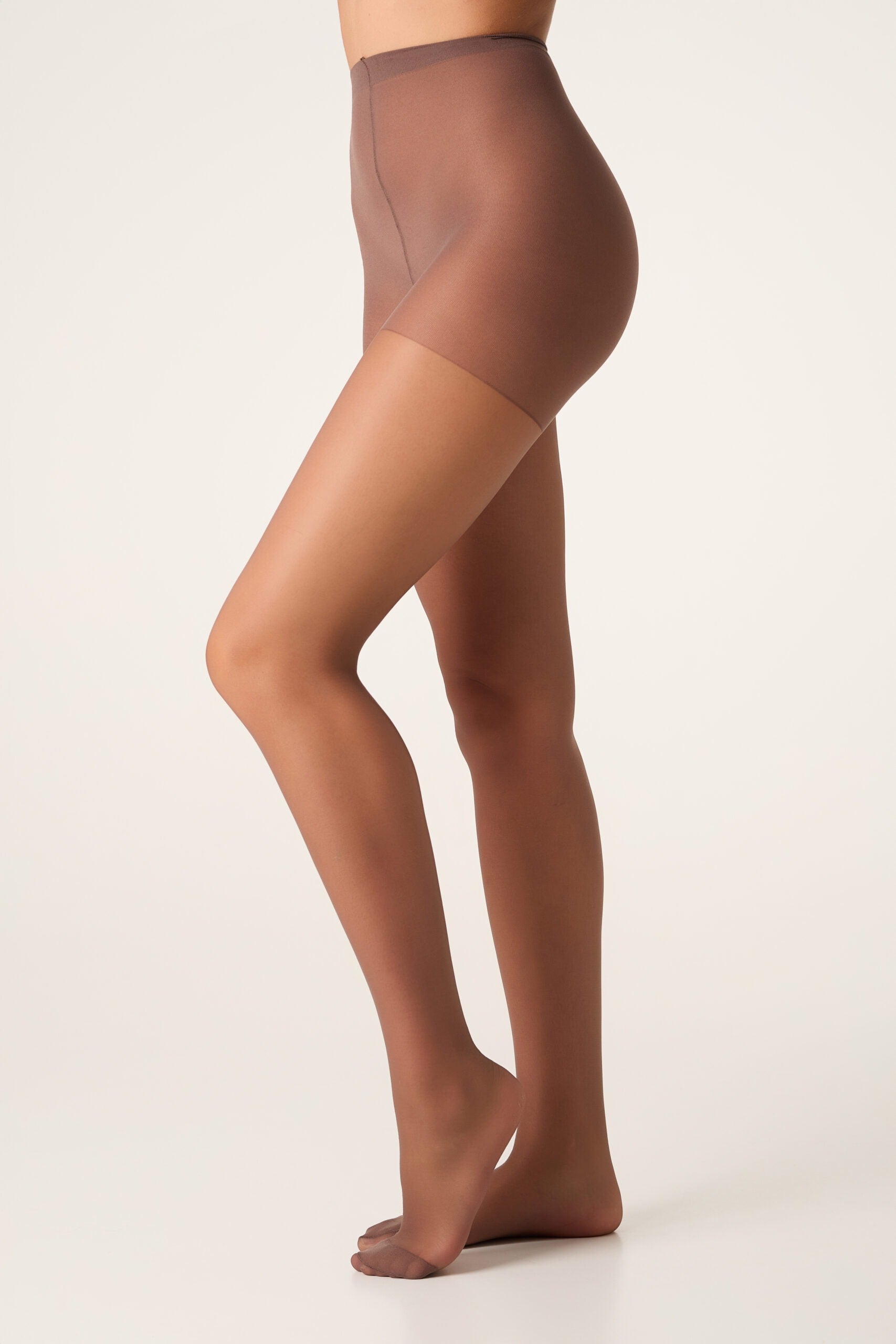
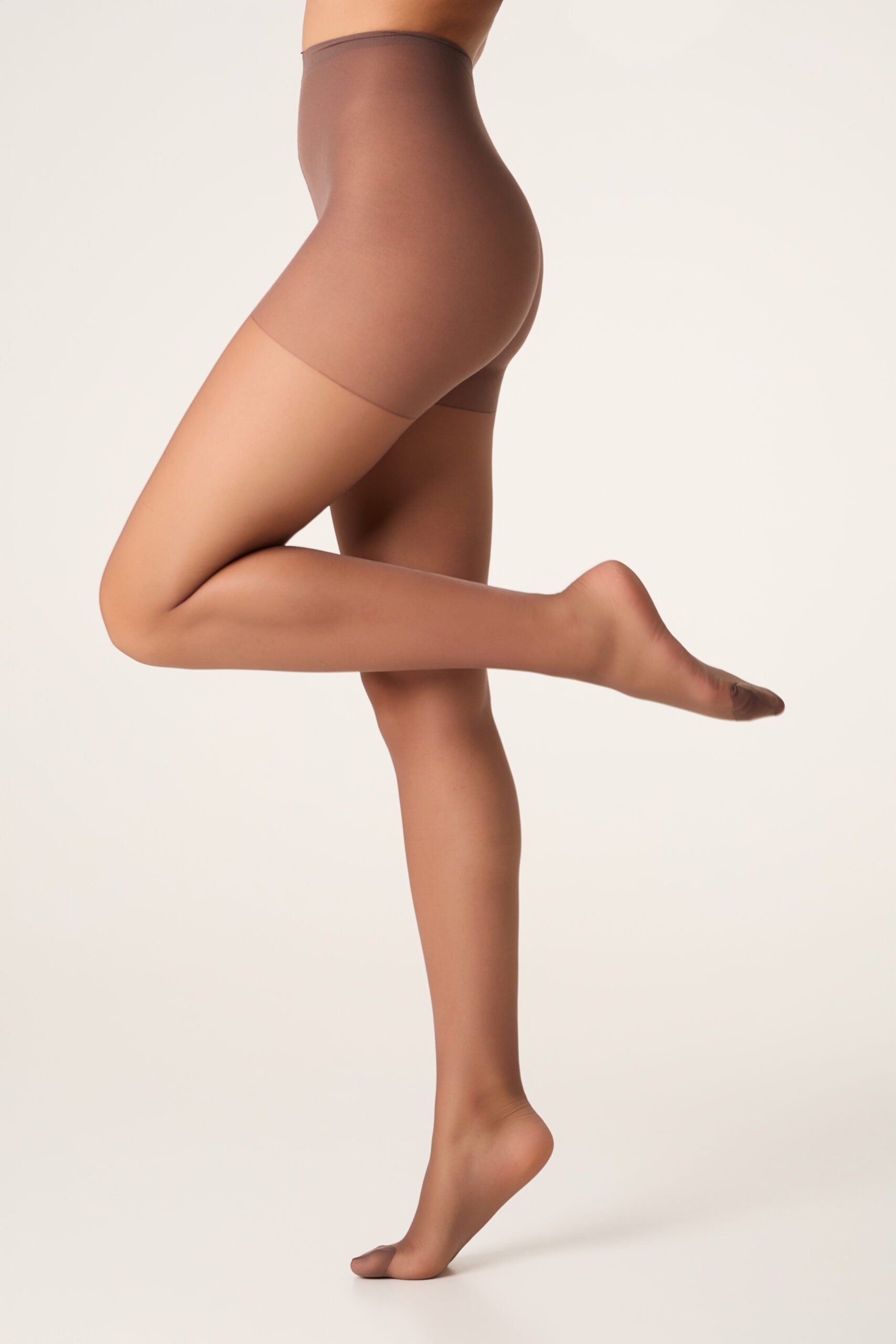
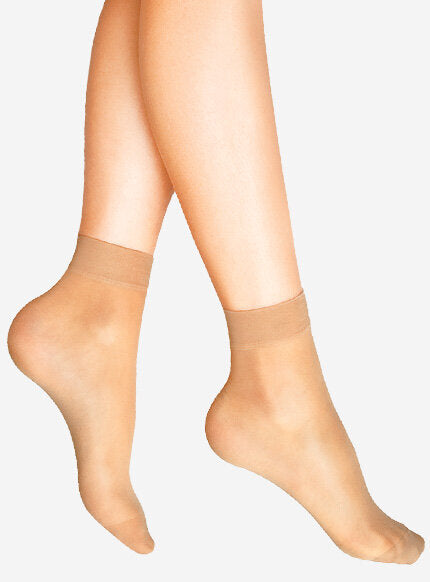
Socks made entirely of synthetic materials, such as polyester, can trap moisture, which promotes the growth of bacteria and fungi. Although synthetic blends can add elasticity and durability, the main material of everyday socks should be natural. The exception is sheer socks – in this case, polyamide, though synthetic, will ensure proper thermoregulation for the skin.
Too tight socks
Avoid socks that are too tight around the ankle or toes. They can impair blood circulation and cause swelling and painful calluses.
Too thick socks on warm days
On summer days, thick socks can cause excessive sweating of the feet, leading to discomfort and increasing the risk of fungal infections. On warmer days, opt for thin, breathable socks. Similarly, in winter, choose socks that provide warmth.
Sock care – rules worth knowing
Well-chosen socks are one thing, but proper washing and storage are equally important. Following a few simple rules will allow you to enjoy healthy feet and good quality socks for longer.
- Socks should be washed regularly, preferably after each use. Use gentle detergents and avoid strong agents that can damage the material fibers.
- Check the manufacturer's recommendations for washing temperature. For example, merino wool socks often require washing at a low temperature to maintain their properties.
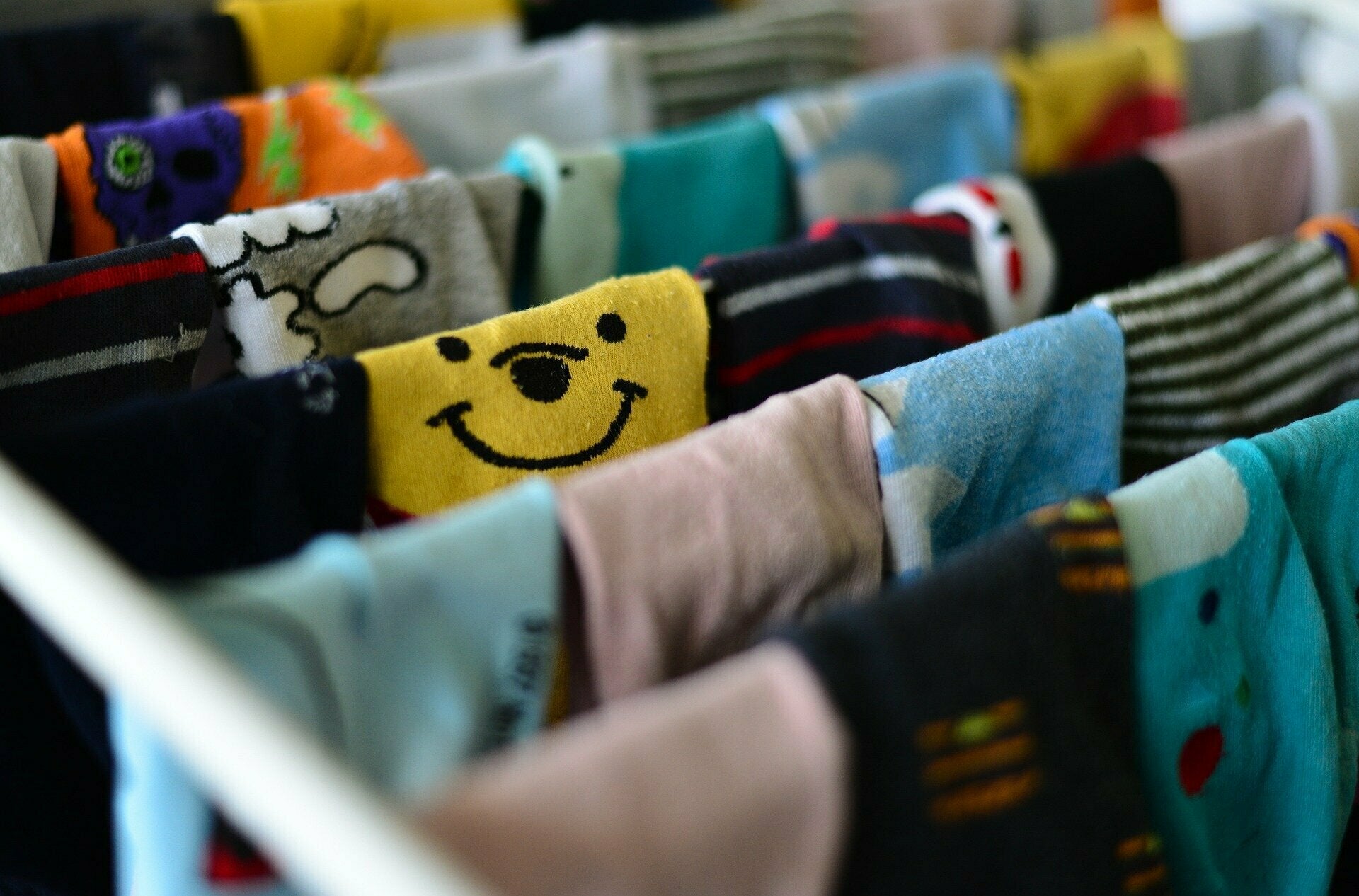
- Store socks in a dry and airy place. Avoid overly tight drawers where the material can pill.
- Even the best socks lose their properties over time. Regularly check the condition of your socks and replace them with new ones when you notice signs of wear, such as abrasions or loss of elasticity.
Healthy socks, meaning what kind?
Healthy socks are those made from natural, breathable materials such as cotton, bamboo, or merino wool, which provide comfort and proper ventilation. It's also important that they fit the foot well.
How do socks affect health?
Good quality socks protect the skin from chafing, regulate foot temperature, wick away moisture, and prevent the growth of bacteria and fungi. Models with the right cut will also prevent swelling.
Which socks are best not to buy?
Avoid socks made entirely of synthetic materials and overly tight models that can impair circulation and cause discomfort.