 Apr 4, 2018
Compression therapy
Compression knee-highs and tights – which ones to choose?
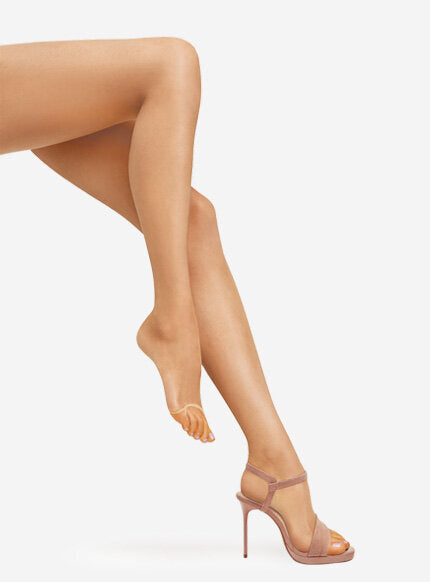
The treatment and prevention of varicose veins are complex, intricate, and long-term processes. They usually involve pharmacotherapy, dietary changes, and specific exercises. However, doctors are increasingly recommending compression tights and compression knee-highs as a form of support for treatment and prevention. How effective are these products?
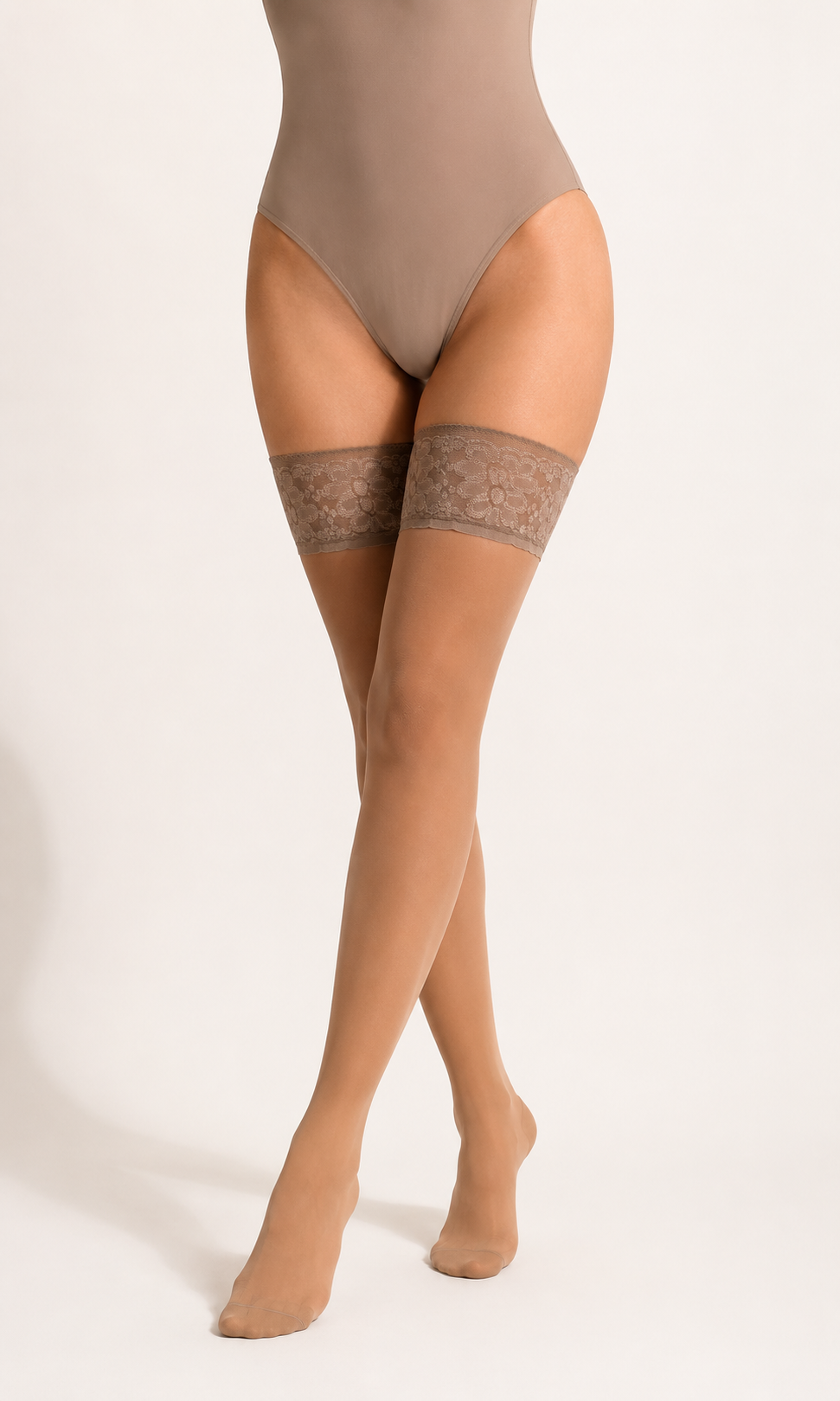
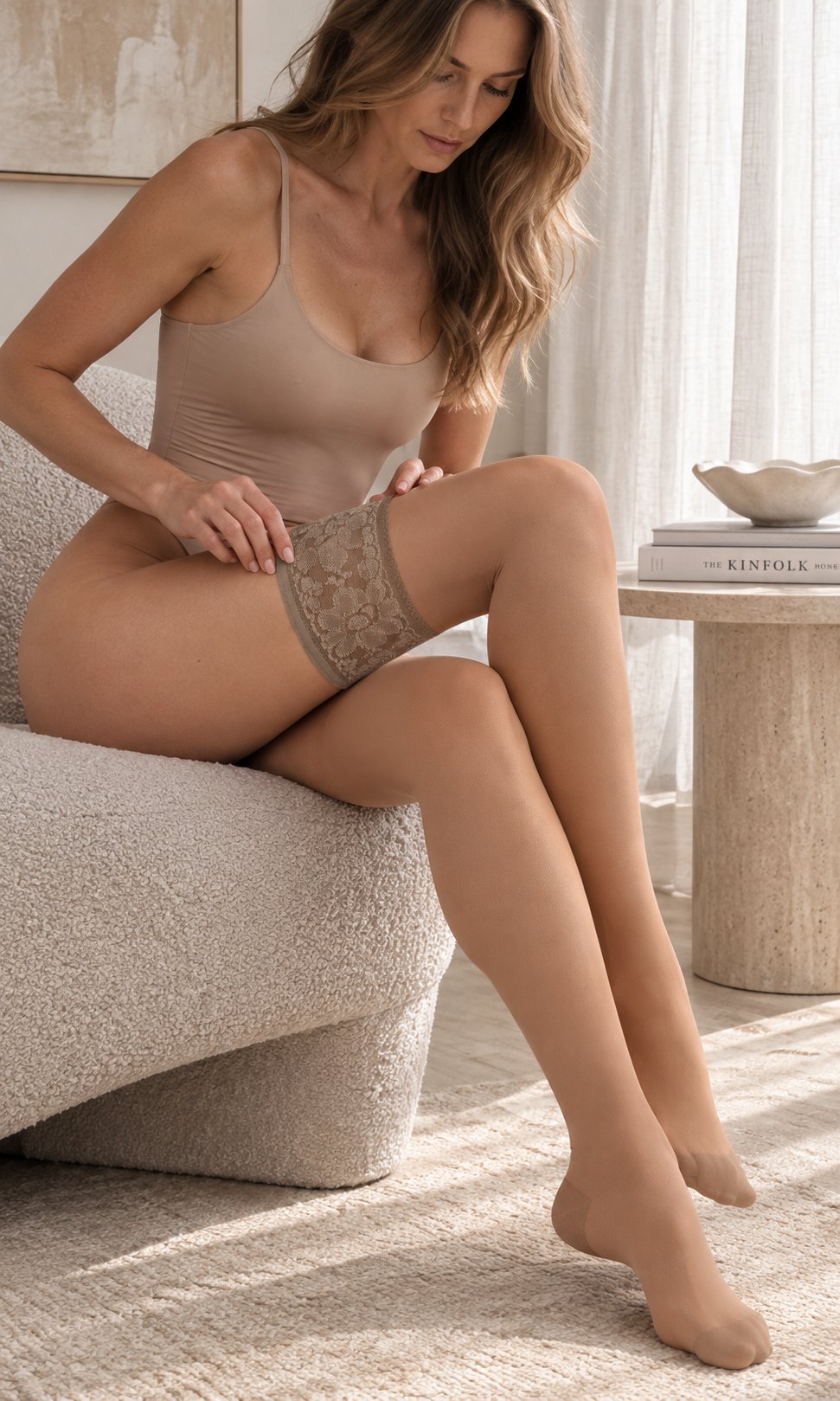
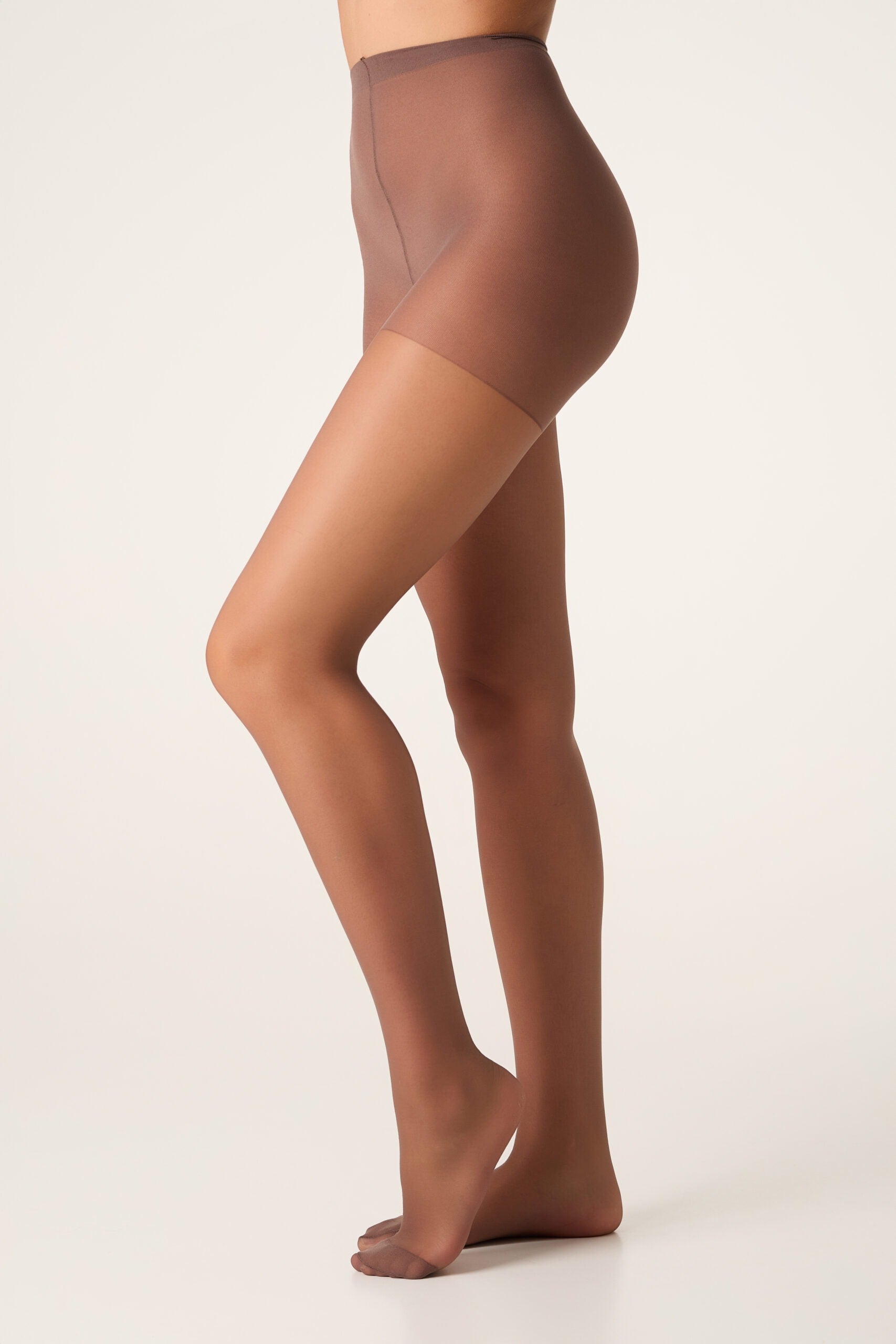
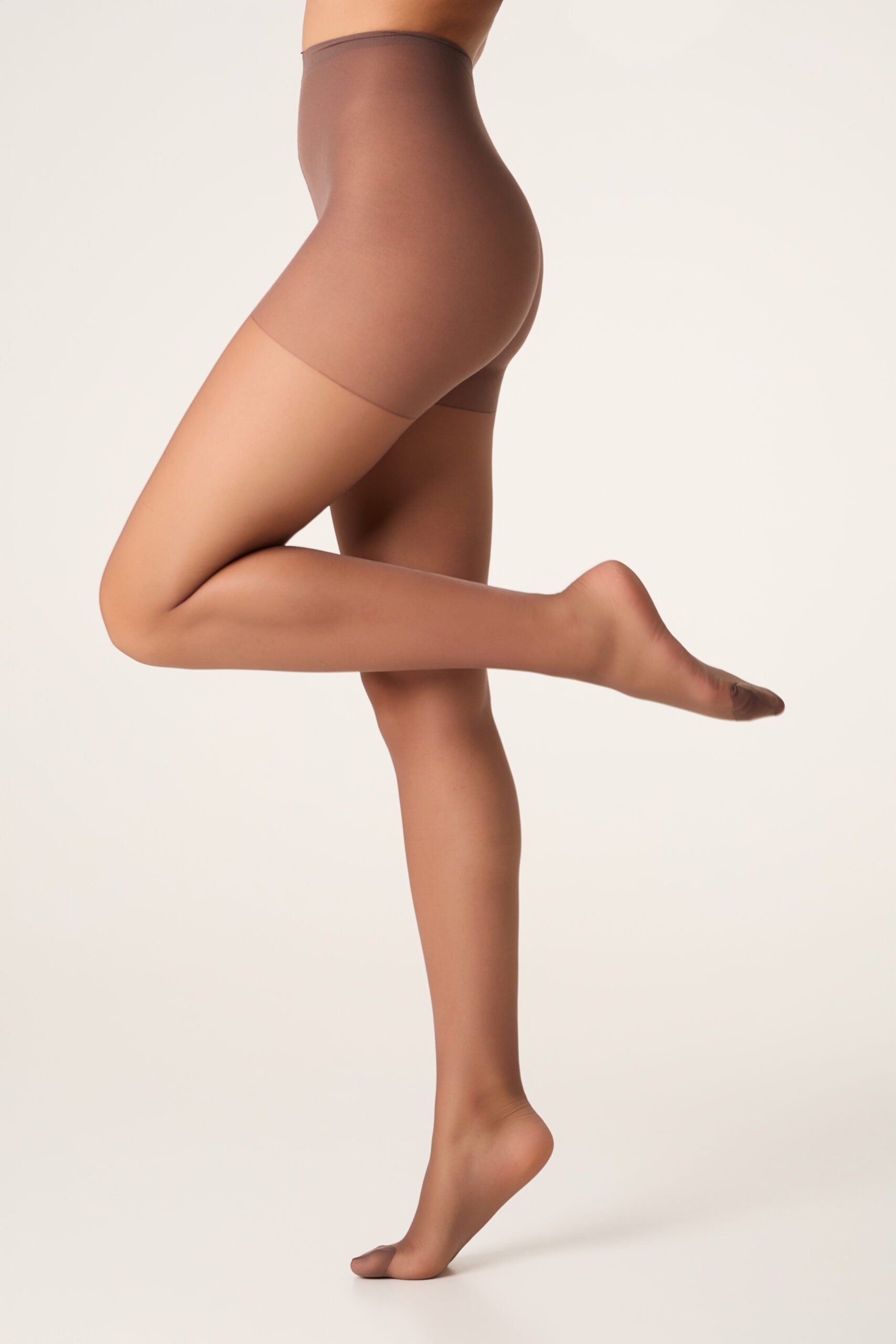
Compression knee-highs or anti-varicose tights are medical products with proven effectiveness. Their purpose is to stimulate blood circulation by applying pressure to the leg, especially to the walls of the veins. They are used not only to improve blood circulation and, as it were, "help" the veins in transporting this life-giving fluid, but also to prevent the weakening of vein walls and the loss of their elasticity. All this is to prevent undesirable changes in the vessels. Compression knee-highs and tights are therefore used both in the prevention of varicose veins and in their treatment.
Compression level and the treatment and prevention of varicose veins
The pressure level of medical knee-highs, socks, or tights is measured by an indicator called the compression level. It is given in millimeters of mercury (mmHg). The higher the compression level, the more the tights will compress the leg – from the ankle to the thighs. Compression therapy is recommended (as prevention of varicose veins) for people with a genetic predisposition, as well as for women using hormonal contraceptives. Anti-varicose tights and compression knee-highs differ in their compression level, depending on the patient's needs:
Prophylactic compression level – 10-17 mmHg
Compression knee-highs and tights with the lowest compression level (10 to 17 mmHg) are intended for people who need relief from tired and heavy legs after a long day. They will also be useful for women working in a sitting or standing position, and for those whose mothers or grandmothers suffered from varicose veins.
Class I compression – 18-21 mmHg
Class I compression provides gentle support to the veins in transporting blood and is primarily suitable for people who not only suffer from fatigue and swelling in their legs, but also notice small spider veins and broken capillaries in the calves and thighs. Compression therapy with such gentle pressure is also ideal for pregnant women experiencing leg pain and during long journeys.
Class II compression – 22-32 mmHg
Compression tights and knee-highs with Class II compression are suitable for people with visible varicose veins, as well as for women in puerperium and those suffering from lymphatic edema. They are also recommended for people with deep vein thrombosis.
Class III compression – 32-46 mmHg
Compression therapy with anti-varicose knee-highs and tights will bring relief to people with advanced varicose veins, those who are obese, and those severely ill with venous thrombosis. Class III compression is so strong that products exerting such pressure should not be used on their own – only after consultation with the treating physician.
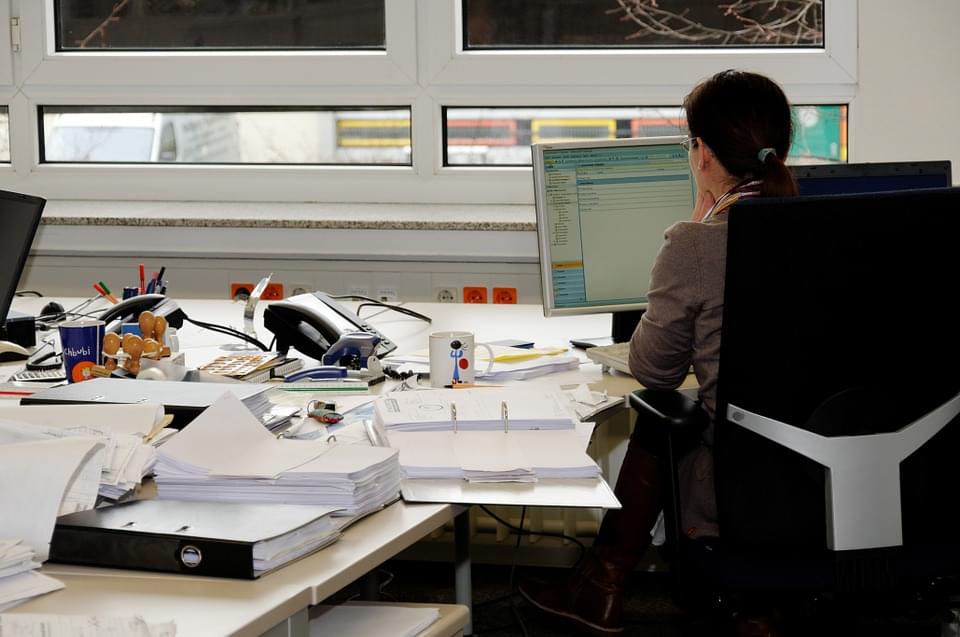
Long periods of sitting and genetic predispositions are indications for varicose vein prevention
Are compression tights uncomfortable?
Initially, when wearing compression tights or knee-highs of the same type, people suffering from varicose veins may experience some discomfort – after all, they are putting on an item of clothing designed to exert constant pressure on the limbs. However, after a few days, the feeling of discomfort disappears, and relief quickly comes with the absence of heavy legs and pain.
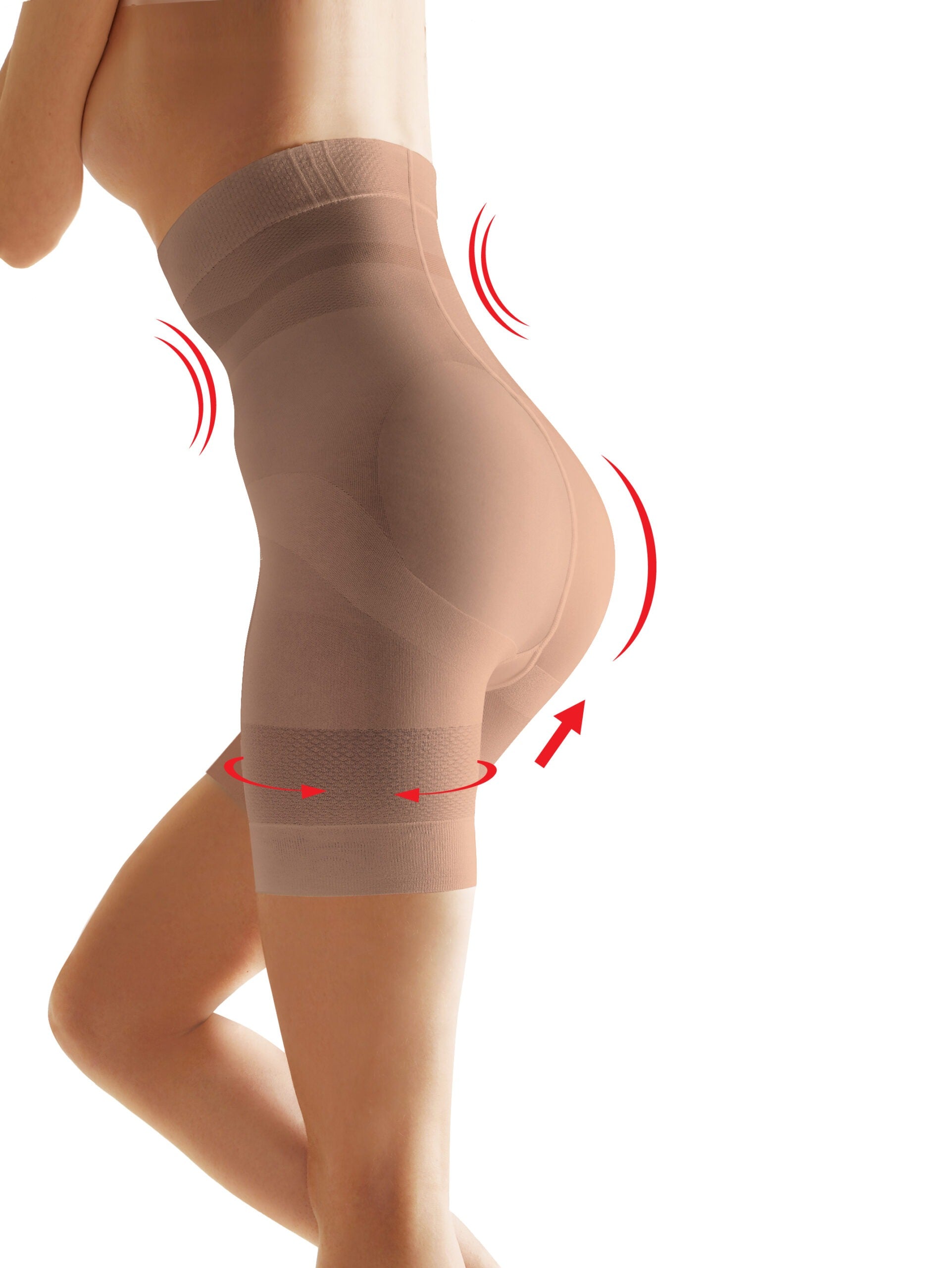
Good quality anti-varicose tights or compression knee-highs should have reinforced heels, clearly marked with a seam or a darker yarn color. This greatly helps in their correct placement on the leg, as such products usually have three compression zones that should "wrap around" the ankle, knee, and – optionally – the thighs. If the compression zones are poorly fitted, compression tights and knee-highs will not work as they should.
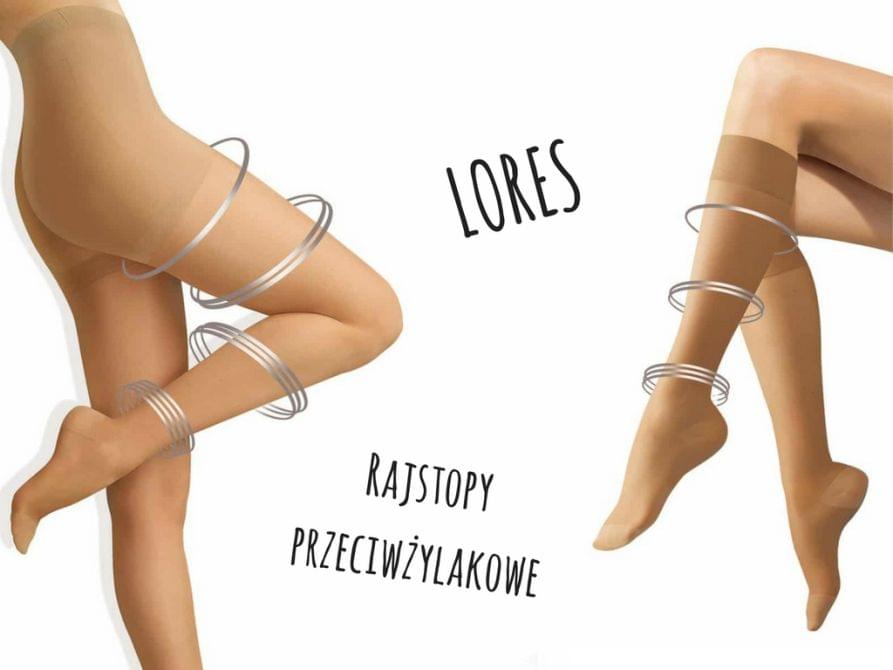
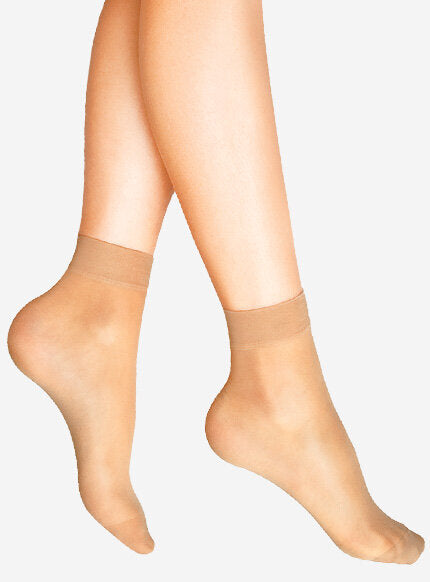
Anti-varicose tights and compression knee-highs bring relief from "heavy legs" discomfort.
And you? Do you wear compression tights as a preventative measure against varicose veins? Or did you find advice in this article that could be useful to your mothers or grandmothers? Let us know in the comments!
Other categories:
women's socks striped over-the-knee socks winter socks black fishnet tights plus size black polka dot tights women's plus size tights patterned tights red stockings erotic tights