

 Aug 21, 2021
Varicose Vein Prevention in Practice - How to Prevent the Feeling of Heavy Legs?

Preventing varicose veins, the feeling of heavy legs, and swollen ankles and calves is quite a challenge - all these ailments contribute to vascular problems, which in the future can cause complications - not only aesthetic, in the form of spider veins or visible venous changes, but most importantly - health-related. Unfortunately, we don't have control over all the factors that cause varicose veins and leg swelling, but there are some that are definitely worth changing to improve your quality of life.
Swollen ankles, heavy legs, varicose veins - how do they form?
Both leg swelling and all kinds of visible changes - from spider veins, through clusters of broken capillaries, to varicose veins - can be a manifestation of blood circulation disorders, vascular problems, or a consequence of a lifestyle that negatively affects the condition of blood vessels in the lower limbs. What is the mechanism behind these types of ailments? It is not complicated and consists - in great simplification - of hindering and slowing down blood circulation in the blood vessels of the lower limbs, and more specifically - in the veins, which carry blood to the heart. This happens for several different reasons:
- blood pressure in vessels maximally distant from the heart is the lowest - it can automatically be stated that it will therefore be low in the veins located in the feet or calves. Furthermore, for blood to reach the heart, it must in this case overcome an "uphill" path, which also does not help in reducing swelling of the ankles and, in general, the lower limbs;
- being in constant motion mechanically aids blood flow from the legs towards the heart. However, if someone has a sedentary or standing job and spends several or more than ten hours a day in it, then this flow can be significantly disrupted;
- if blood circulation in the legs is hindered, then the valves located in the veins, regulating this flow, also have a difficult task. It can be said that the valves "wear out" - especially if someone is inactive or their body weight constitutes an additional burden for the legs - and are not as effective as in a healthy, active person. Then leg swelling can appear almost daily;
- atherosclerotic plaques, forming on the walls of veins under the influence of various factors, also affect the degradation and weakening of vessel walls (and thus proper blood circulation). These factors include an unhealthy diet rich in processed foods, trans fats, and large amounts of sugar, as well as smoking;
- uncontrolled hypertension also contributes to poorer blood circulation - people with this condition should therefore regularly monitor their health, especially if they experience the symptoms mentioned above.
As a result of the factors listed above, the valves in the veins lose their elasticity and perform their function less and less effectively, the walls of the blood vessels weaken, and the blood itself circulates too slowly – consequently, all this leads to the discussed feeling of heavy legs, the formation of spider veins, and eventually – varicose veins. Who is most at risk? More on that below.
Varicose vein prevention - who should be interested?
Preventing varicose veins is a matter that should definitely be taken to heart by people at risk of developing such changes. Among them, we can distinguish:
- people observing swollen legs, ankles, a feeling of heaviness and fatigue in the lower limbs, as well as spider veins and broken capillaries on the calves and thighs;
- people who work for many hours a day sitting or standing - without the possibility of changing position or performing exercises that support blood circulation in the lower limbs;
- people who are genetically predisposed to varicose veins and vascular problems, as well as those in whose family there have been cases of thromboembolic disease;
- people with overweight and obesity, in whom blood circulation disorders are caused by increased body weight and significant strain on the lower limbs (this also applies to pregnant mothers, and often also in the postpartum period);
- people suffering from diseases related to blood clotting disorders.
In all the cases mentioned above, varicose vein prevention will be justified, as these are the individuals who experience blood circulation disorders, which can lead to a worsening of the condition of blood vessel walls and the valves within them, regulating the flow of this life-giving fluid towards the heart. Ankle swelling and the feeling of heavy legs, often a prelude to venous problems, can be alleviated with a few really simple methods – the most important aspect here will be regularity and strict adherence to the recommendations. It is worth adding that those of you who observe such problems that do not subside after applying varicose vein prevention methods should definitely consult a phlebologist, who specializes in the diagnosis and treatment of vascular diseases and those related to blood circulation.
Ways to relieve heavy legs and prevent varicose veins
Varicose vein prevention should, of course, include regular check-ups (especially for the individuals listed above) and implementing the doctor's recommendations. Nevertheless, preventing varicose veins can also involve simple ways to improve blood circulation, such as:
- standing up or sitting down every few dozen minutes during work, and if possible - elevating your legs every few moments so that your feet are above heart level;
- performing circulation-boosting exercises every few dozen minutes - alternately standing on your heels and toes, circling your feet, standing on the edges of your feet. This type of activity should be incorporated not only during work but also during breaks in long car journeys or when flying (as several hours are spent sitting, which is not conducive to proper blood circulation);
- resting after returning home in a lying or semi-lying position, with legs elevated;
- drinking plenty of water, eating light, nutrient-dense meals, avoiding sugar, processed foods, and animal fats;
- wearing relatively loose-fitting trousers (not compressing the calves and thighs) and socks that do not dig into the skin around the ankle with their elastic band.
Additionally, in some cases, supplements that support circulation and improve the condition of the veins themselves can be taken (such preparations are also available in the form of creams and ointments applied to the skin), but it is worth consulting a doctor before using them.
Compression stockings and anti-varicose knee-highs - a secret weapon in the fight against leg swelling
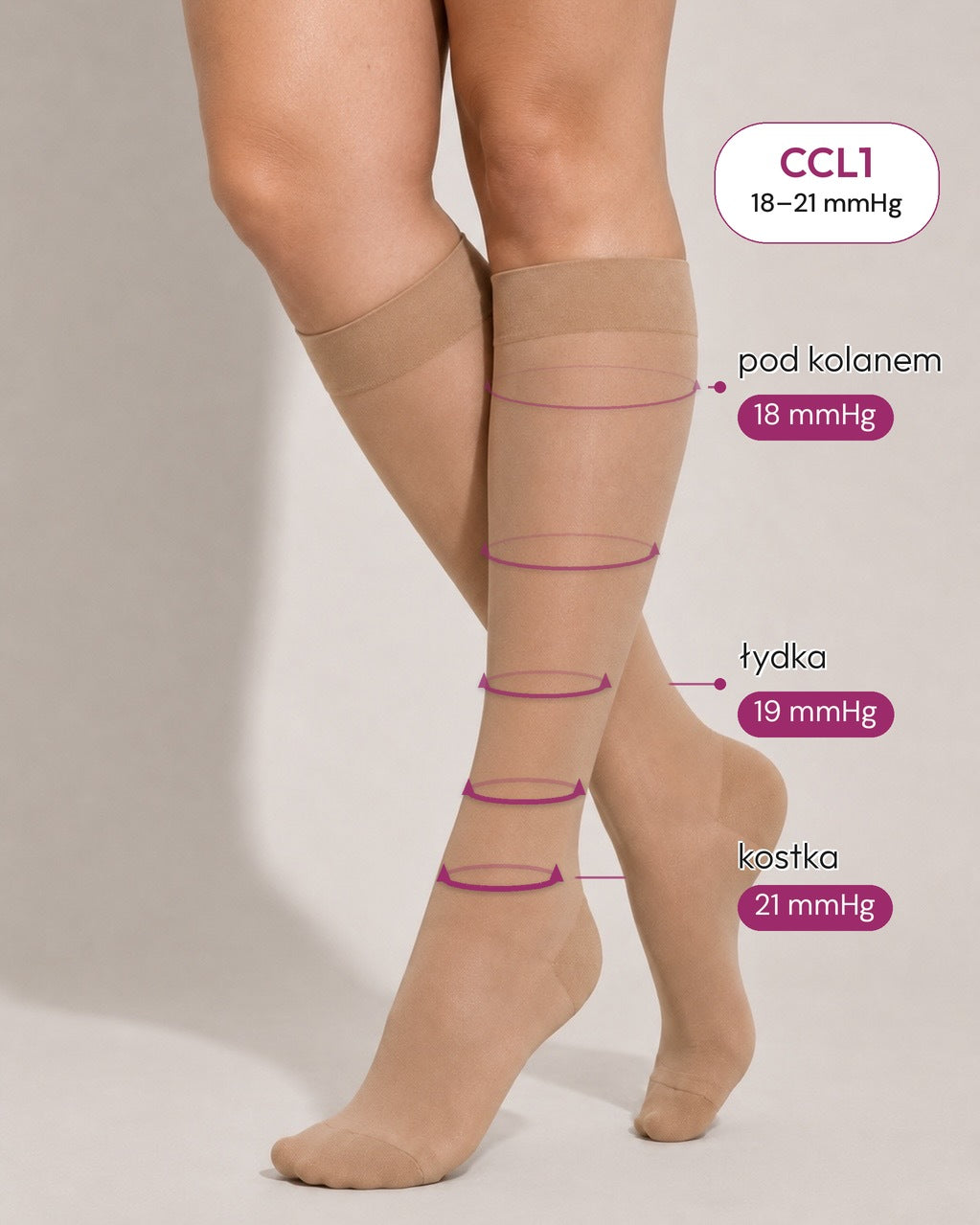
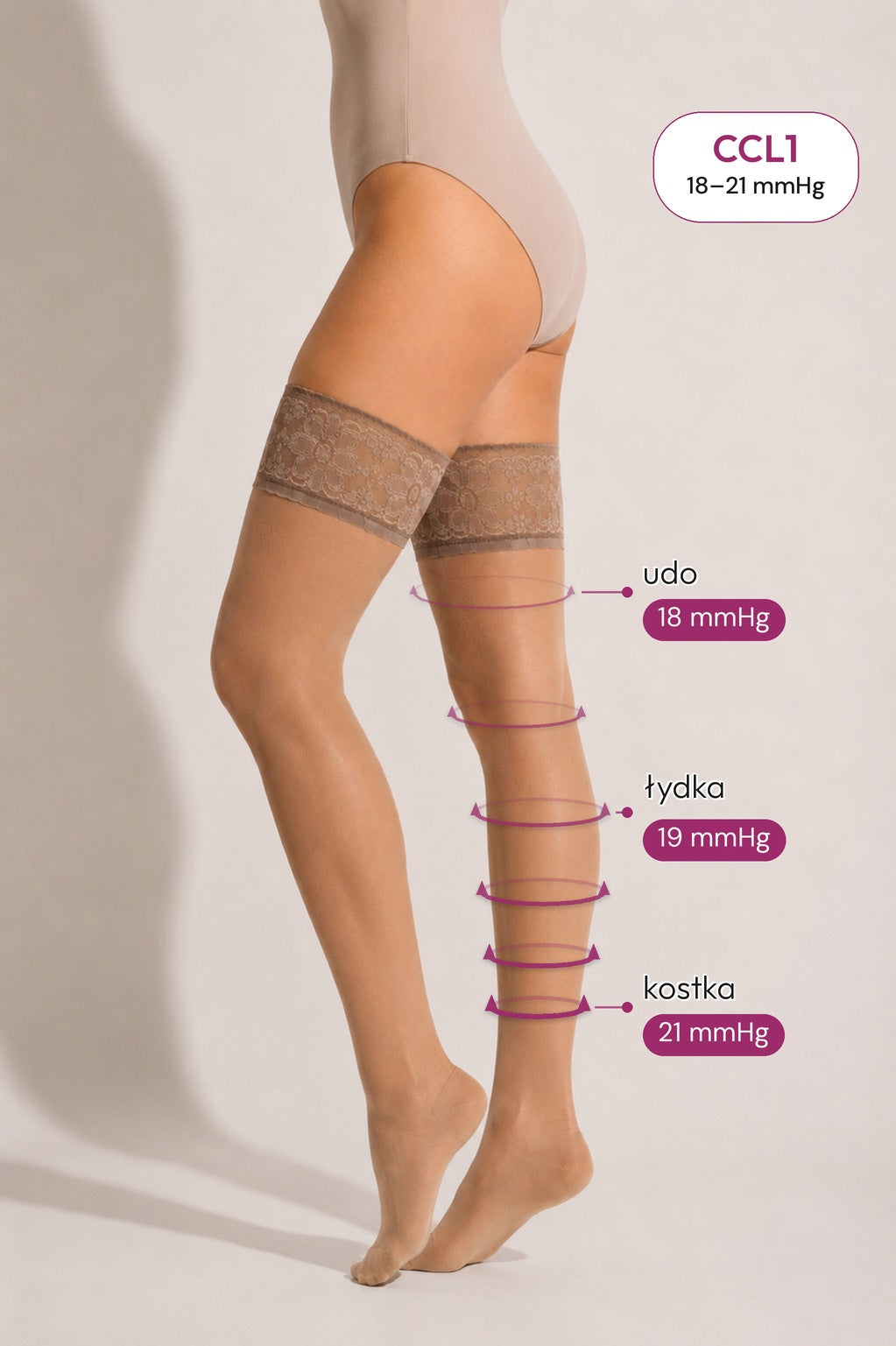
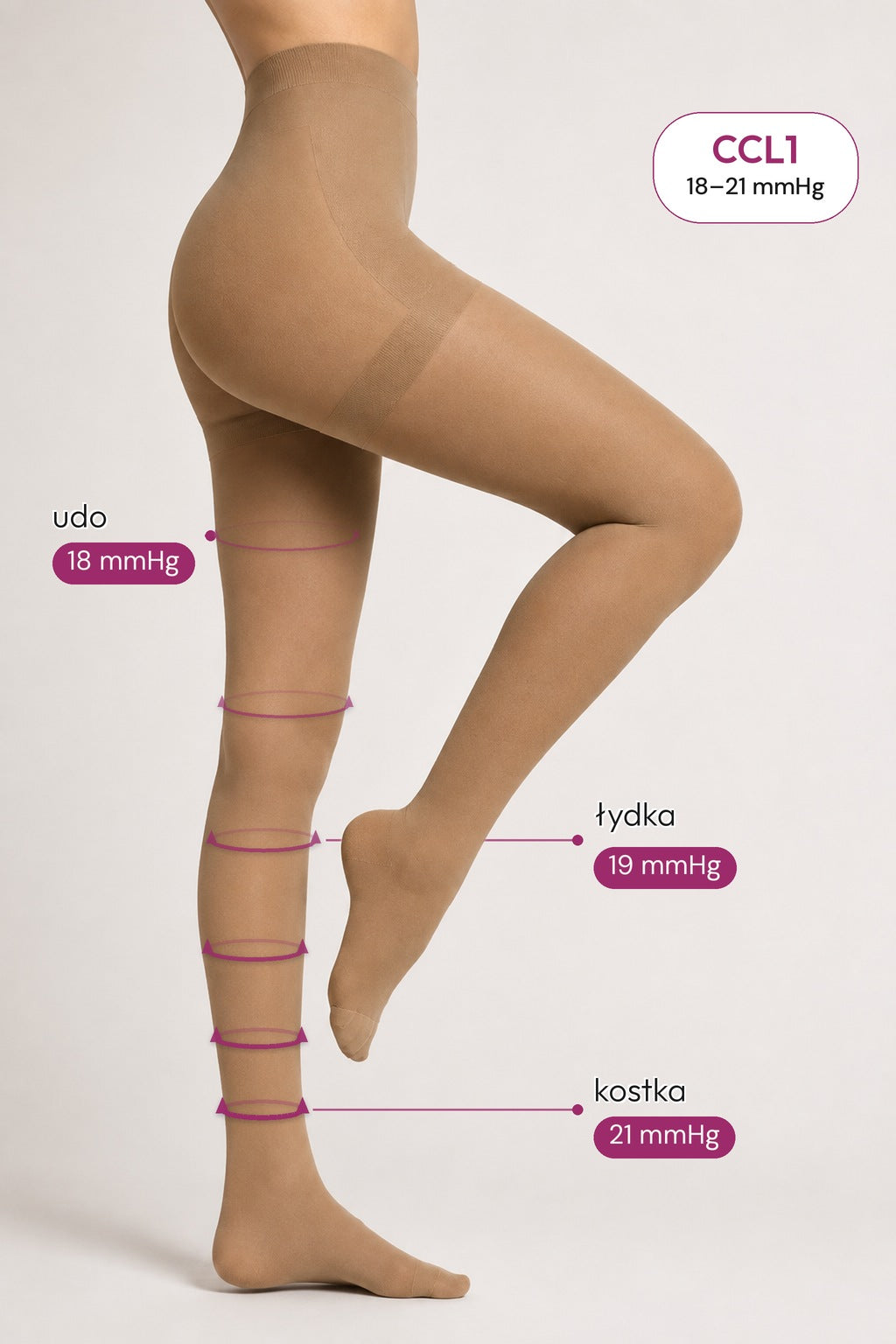
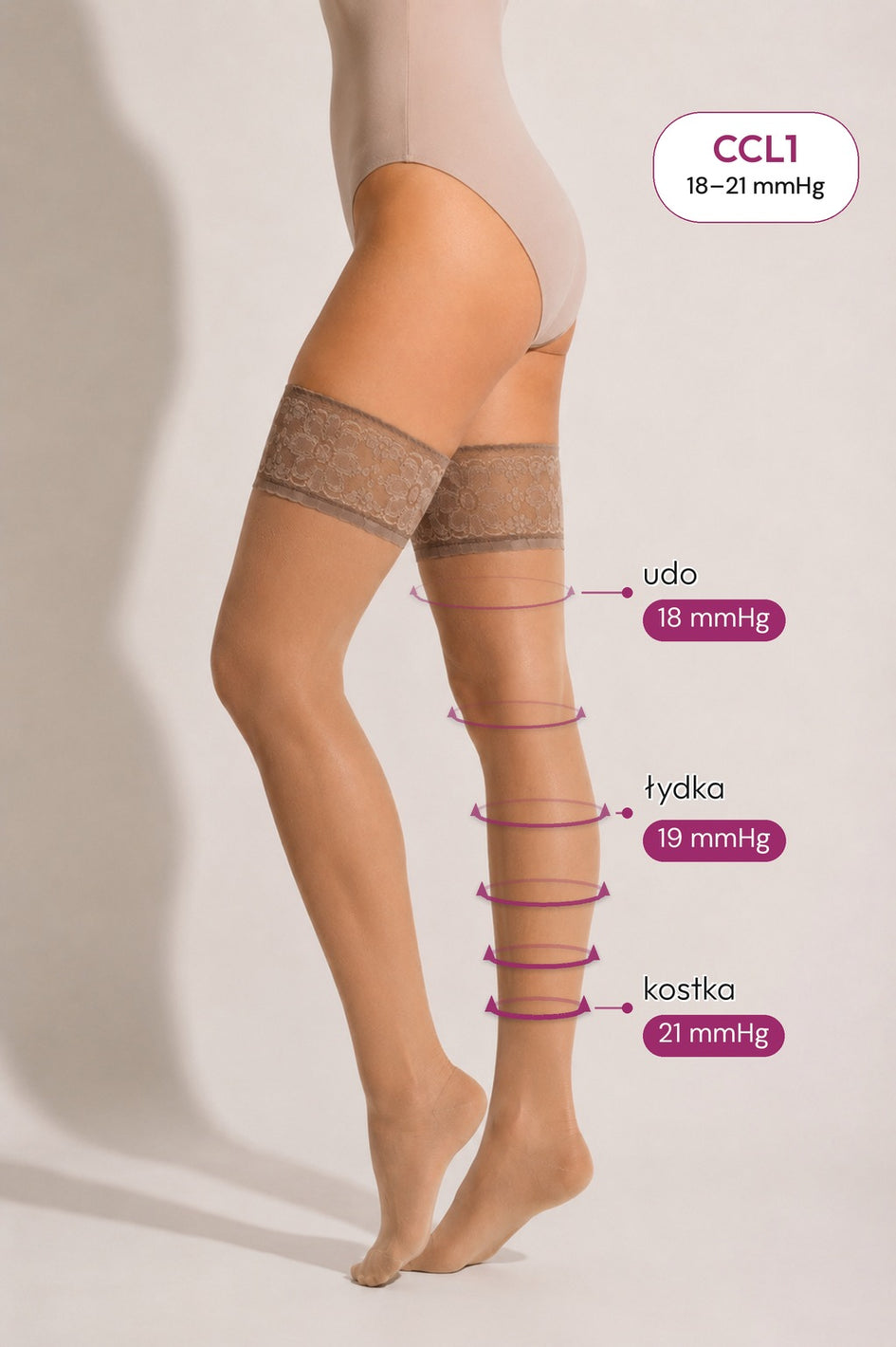
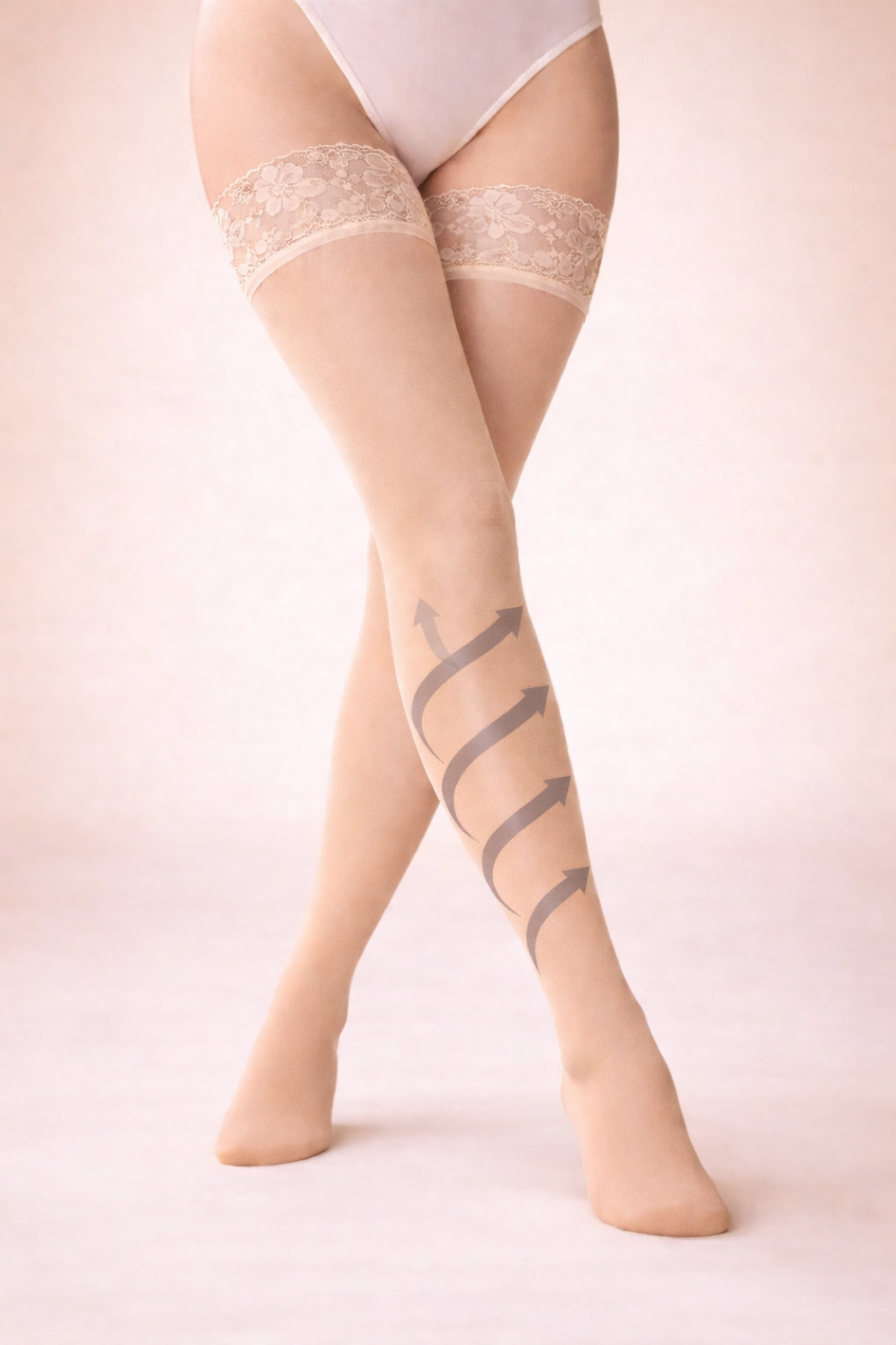
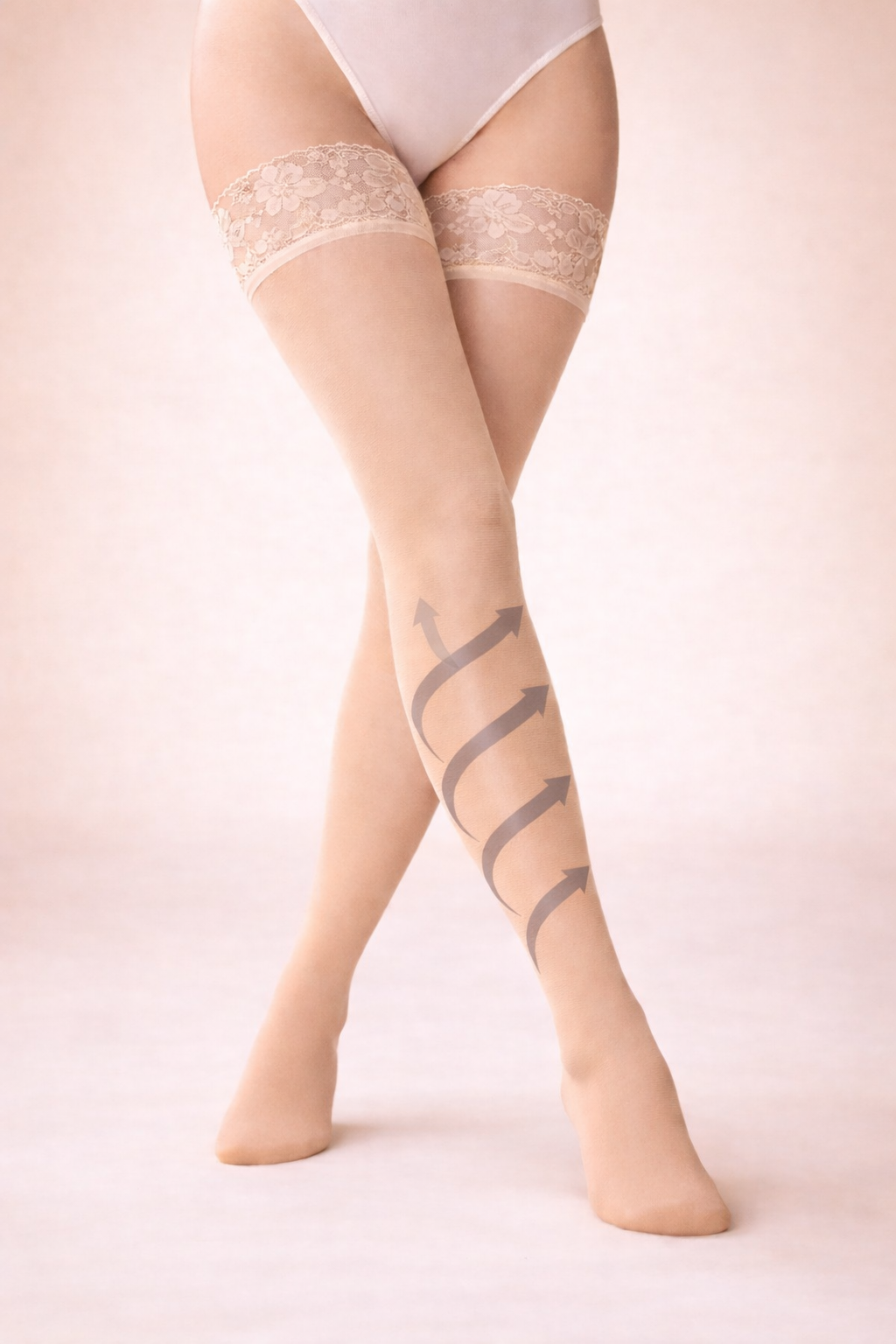
An increasingly popular (and also extremely effective) element of varicose vein prevention is the use of medical products, such as anti-varicose or compression tights. They are designed in such a way that they exert the greatest pressure around the ankles and the least pressure around the thighs. This gradual compression allows blood - even against gravity - to circulate better and more effectively. Both anti-varicose knee-highs and compression tights, with a prophylactic compression level of 13-17 mmHg (further levels should be recommended by a doctor) can be ordered from the Lores online boutique!
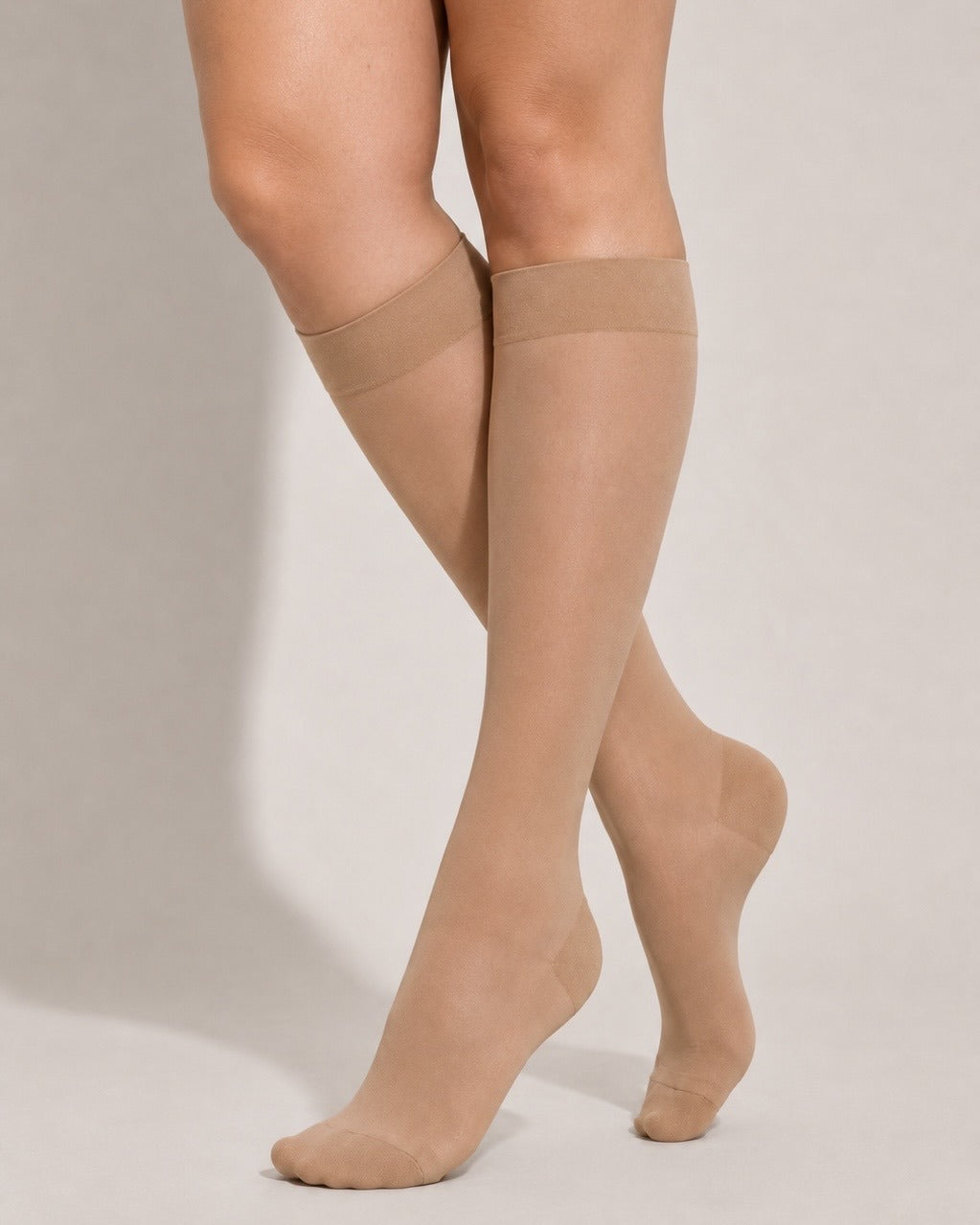
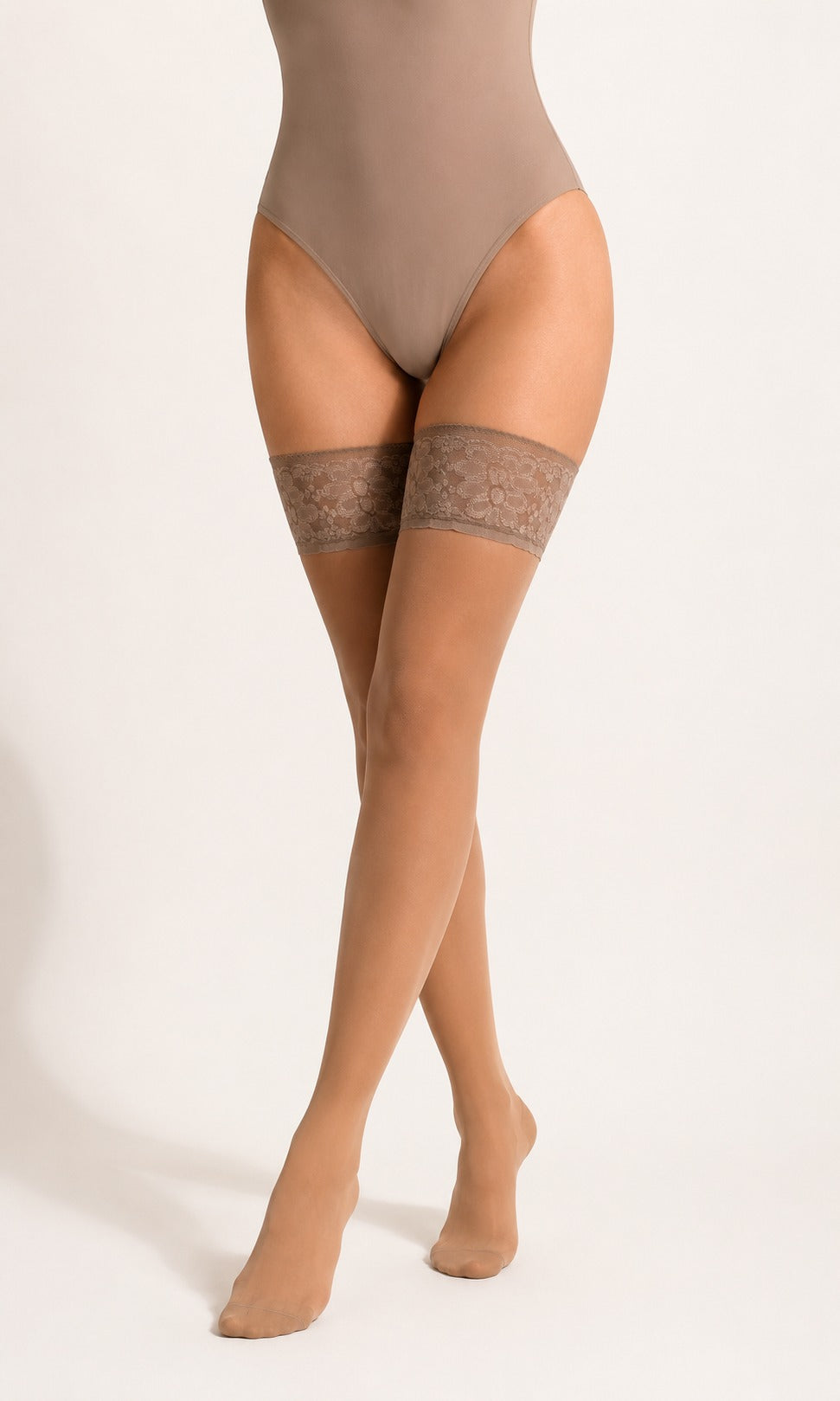
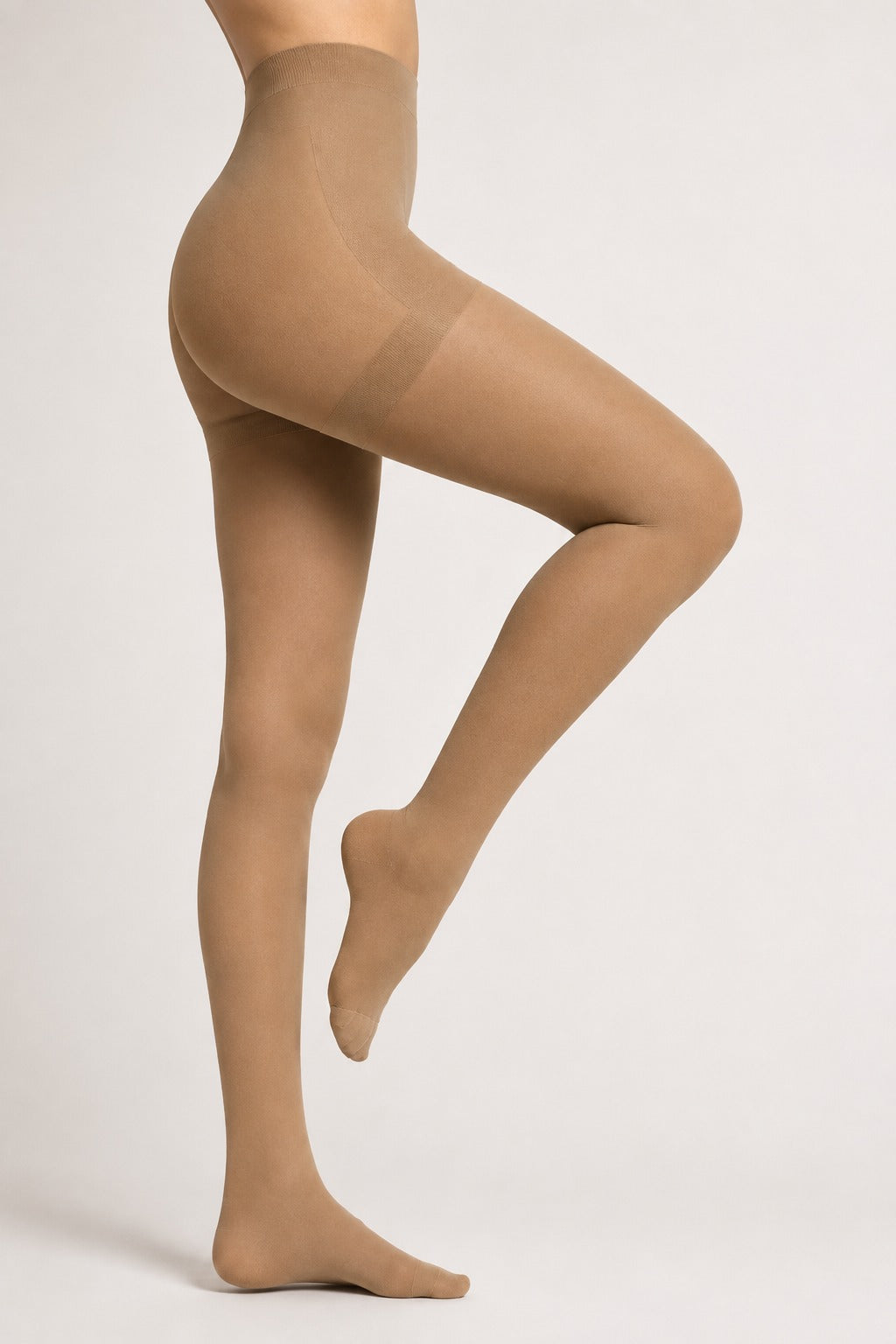
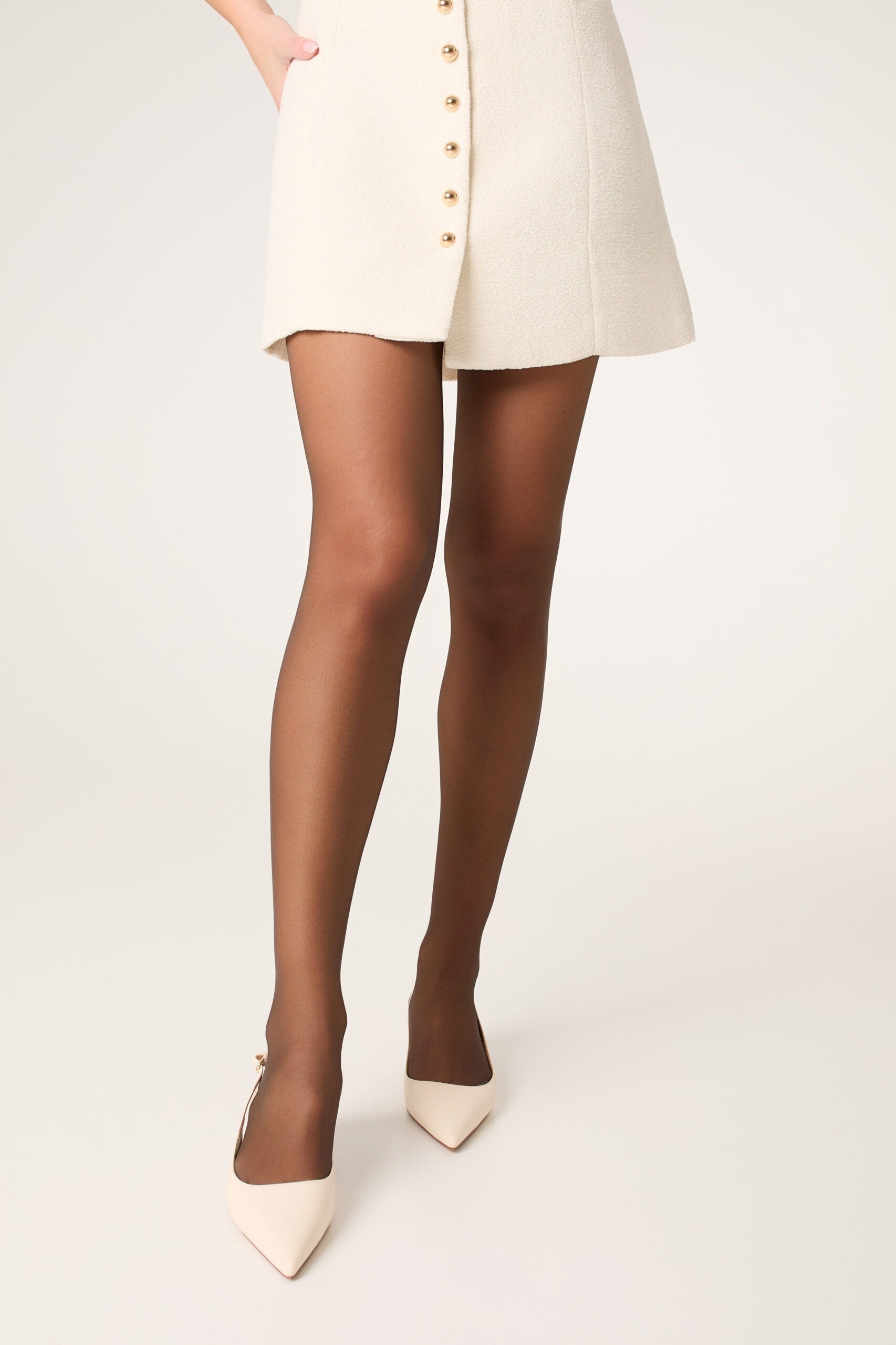
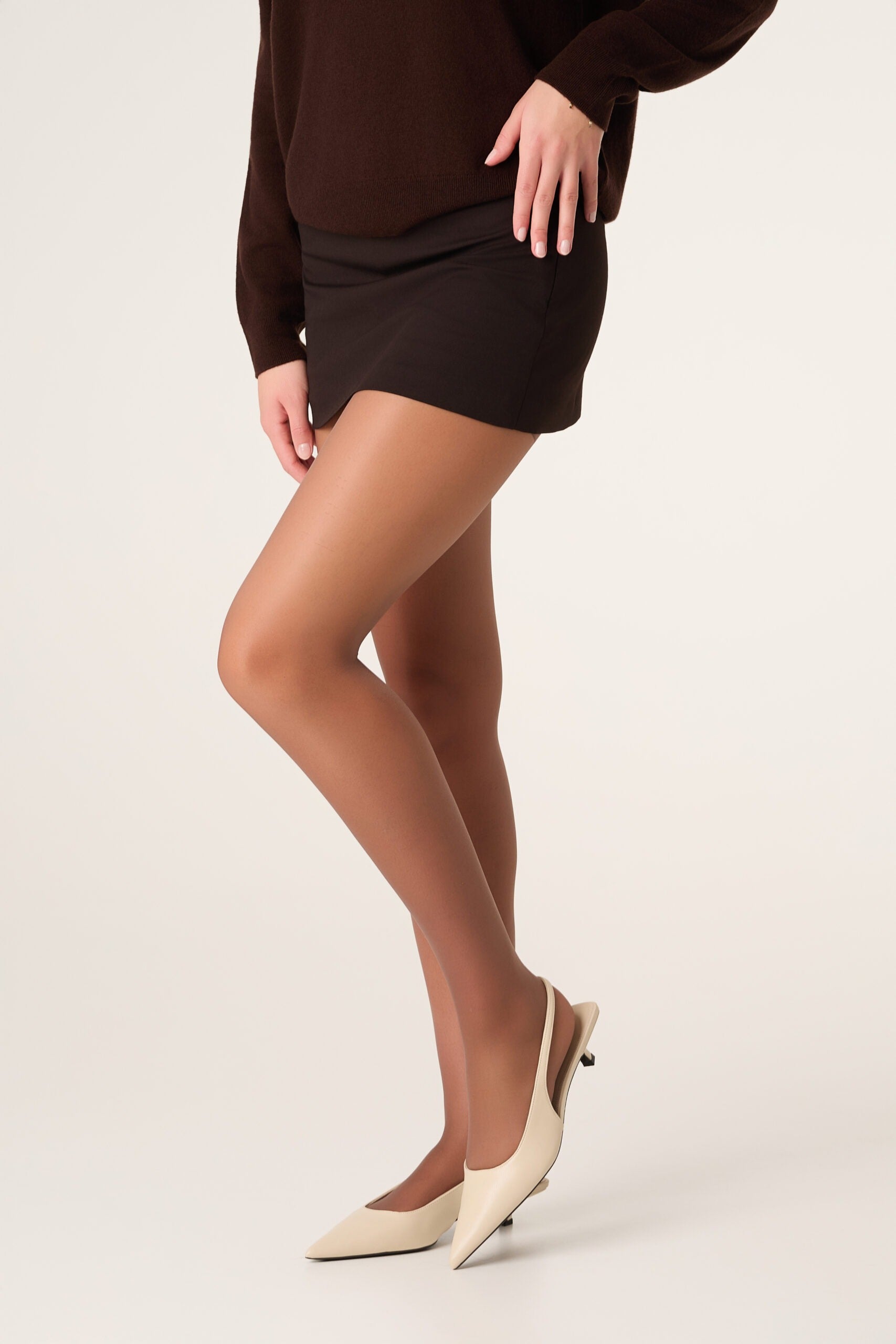
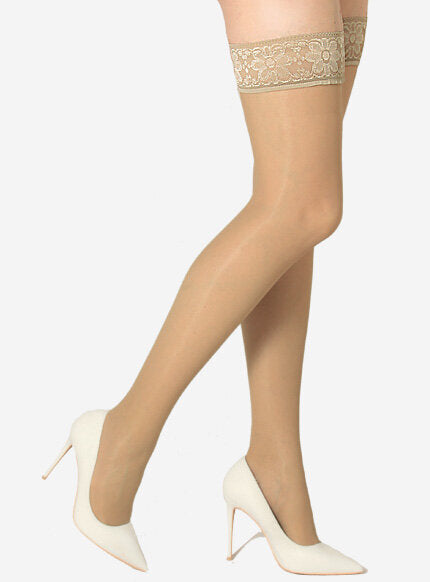
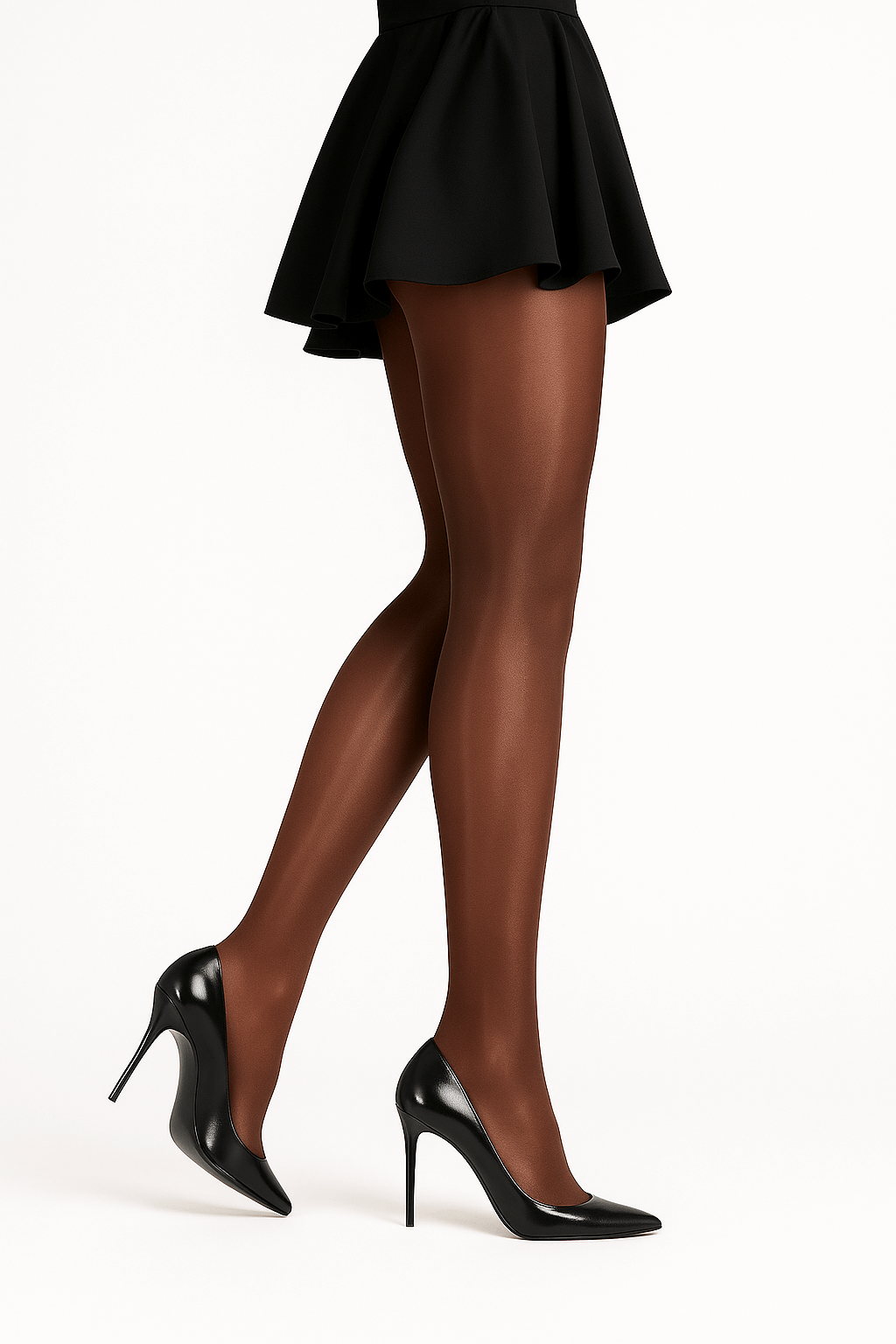
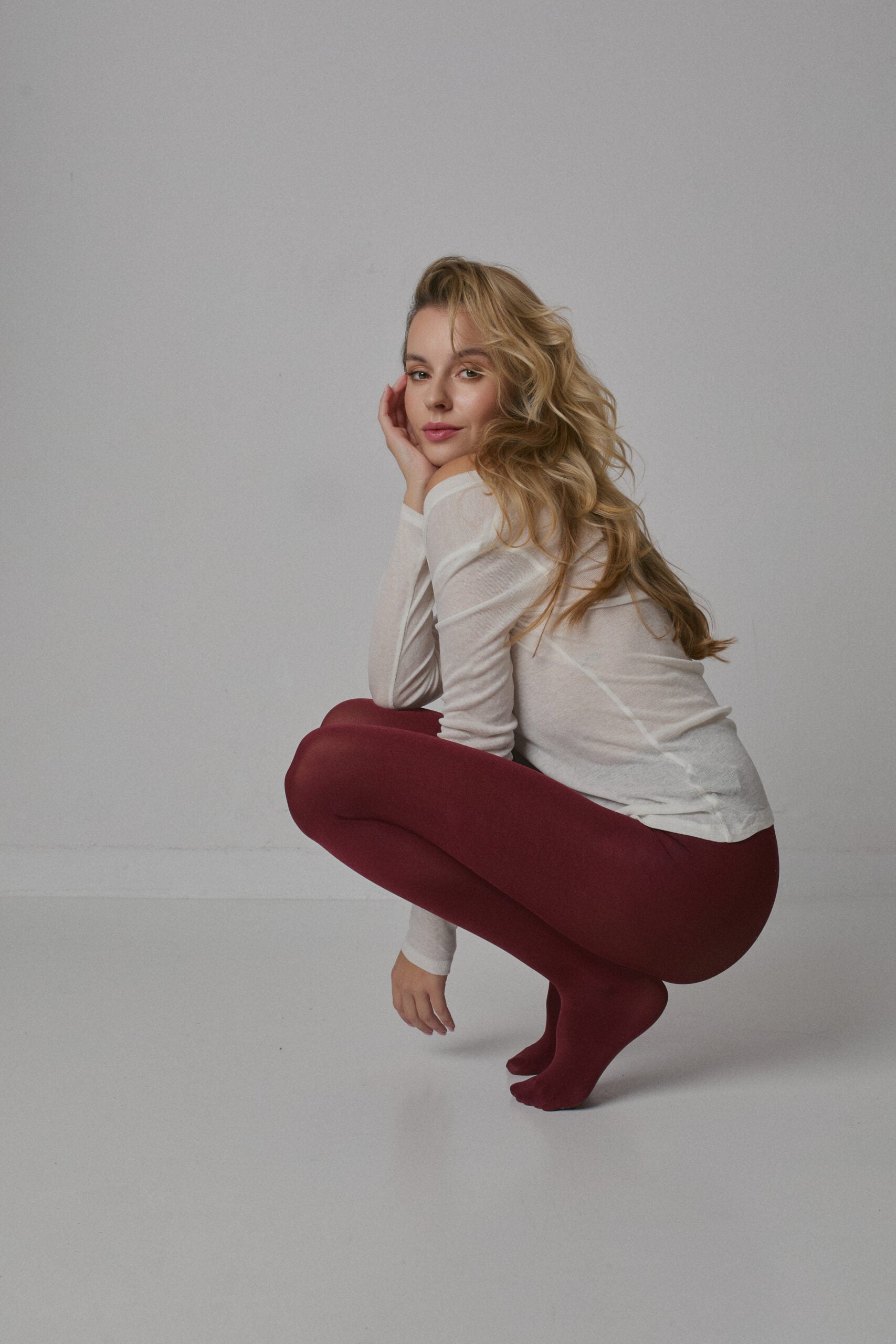
Many people worry before buying anti-varicose tights that they will be more visible than regular tights. Nothing could be further from the truth! Both anti-varicose knee-highs and Lores compression tights do not differ in appearance or colors from standard hosiery products - so you can be sure that no one will guess that your accessory is actually a health product! In addition, they have been designed to maximize your comfort while wearing them - flat seams do not dig into the body, and the elasticity of the material allows for complete freedom of movement. Take care of yourself and the health of your legs with anti-varicose tights from Lores!
Other categories:
seamless leggings sport leggings high waisted gym leggings slimming tights women's footies tights compression knee-highs for varicose veins boys' tights 98 fishnet knee-highs shapewear