 Apr 2, 2026
What are the most durable tights?
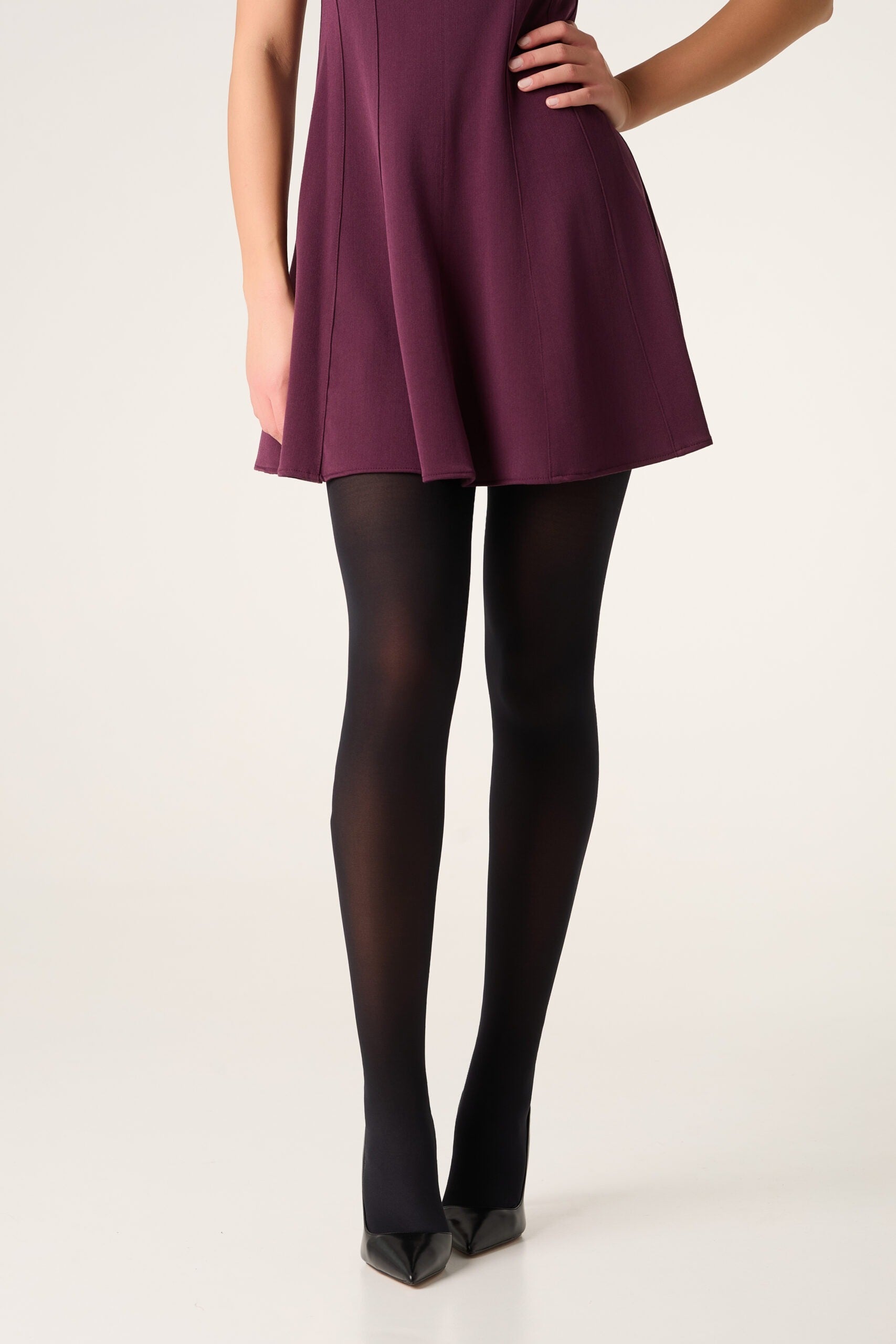
The most durable tights are primarily those made of high-quality materials with added elastane. Durable tights have deep and elastic weaves, which makes them more resistant to snagging and mechanical damage. Tights above 40 DEN also show high resistance.
Many factors affect the durability of tights. Before buying tights, it's worth checking what materials they are made of, what their thickness is, and whether they have additional reinforcements in strategic places.
What materials ensure the greatest durability of tights?
| Material | Durability Level | Damage Resistance | Elasticity | Additional Advantages | Disadvantages |
| Polyamide (nylon) | high | Very high – resistant to abrasion and tearing | High | Conforms well to the body, retains shape for a long time | Lower breathability |
| Elastane (Lycra) | high | Medium (not very resistant on its own) | Very high | Provides stretch and shape retention, extends the lifespan of tights | Must always be an additive |
| Microfiber | high | High – resistant to snagging | High | Soft, warm, often more durable than classic nylon | Usually thicker (less "light") |
| Polyester | high | High – resistant to stretching and temperature | Medium | Increases durability in material blends | Less comfortable to the touch |
| Acrylic | high | Good – resistant to pilling | Medium | Warm, ideal for winter | Lower breathability |
| Cotton (blend) | Medium | Medium | Low | Breathable and comfortable for the skin | Less durable on its own |
| Wool (blend) | Medium | Medium | Low | Very warm, good for winter | Can pill without synthetic additives |
Does the thickness of tights (DEN) affect their durability?
Yes, the thickness of tights affects their durability. The thicker the tights, the greater their resistance to abrasion and tearing. The most durable tights have a DEN of 40 to 60, and winter models with a DEN of 80 to 120 are almost impossible to wear through, even with daily use.
A good example is the CONCORDE warm tights – universal women's – 40 den, which stand out for their universal look and durability. These tights are characterized by high strength and resistance to damage, meaning they can be worn daily without fear of losing quality or aesthetics. Similar models include the CONCORDE tights – universal and elegant – 60 den, which provide excellent coverage, protection against cold, and are incredibly durable.
Are toeless or reinforced tights more durable?
Reinforced tights, especially with reinforcement in the toe and panty sections, are definitely more durable than toeless tights and those without reinforcement in strategic areas. This is because additional layers of material make the tights more resistant to abrasion, which extends their lifespan.
This means that despite toeless tights becoming an increasingly fashionable choice and being perfect for open-toe shoes, they are unfortunately not among the most durable models. When looking for durable tights that will last a long time, it is definitely better to choose tights with reinforcements in critical areas.
Does manufacturing technology affect the durability of tights?
| Manufacturing Technology | Durability Level | Snag Resistance | Elasticity | What makes it stand out | Best for whom |
| 3D Technology | High | Very high | Very high | Fibers wrap the leg in many directions – even tension | For daily wear and intensive use |
| Double Covered | High | Very high | High | Elastane wrapped in an additional layer of yarn – greater resistance to damage | For those seeking maximum durability |
| High-density Microfiber | High | High | High | Dense weave increases resistance to abrasion and tearing | For colder days and work |
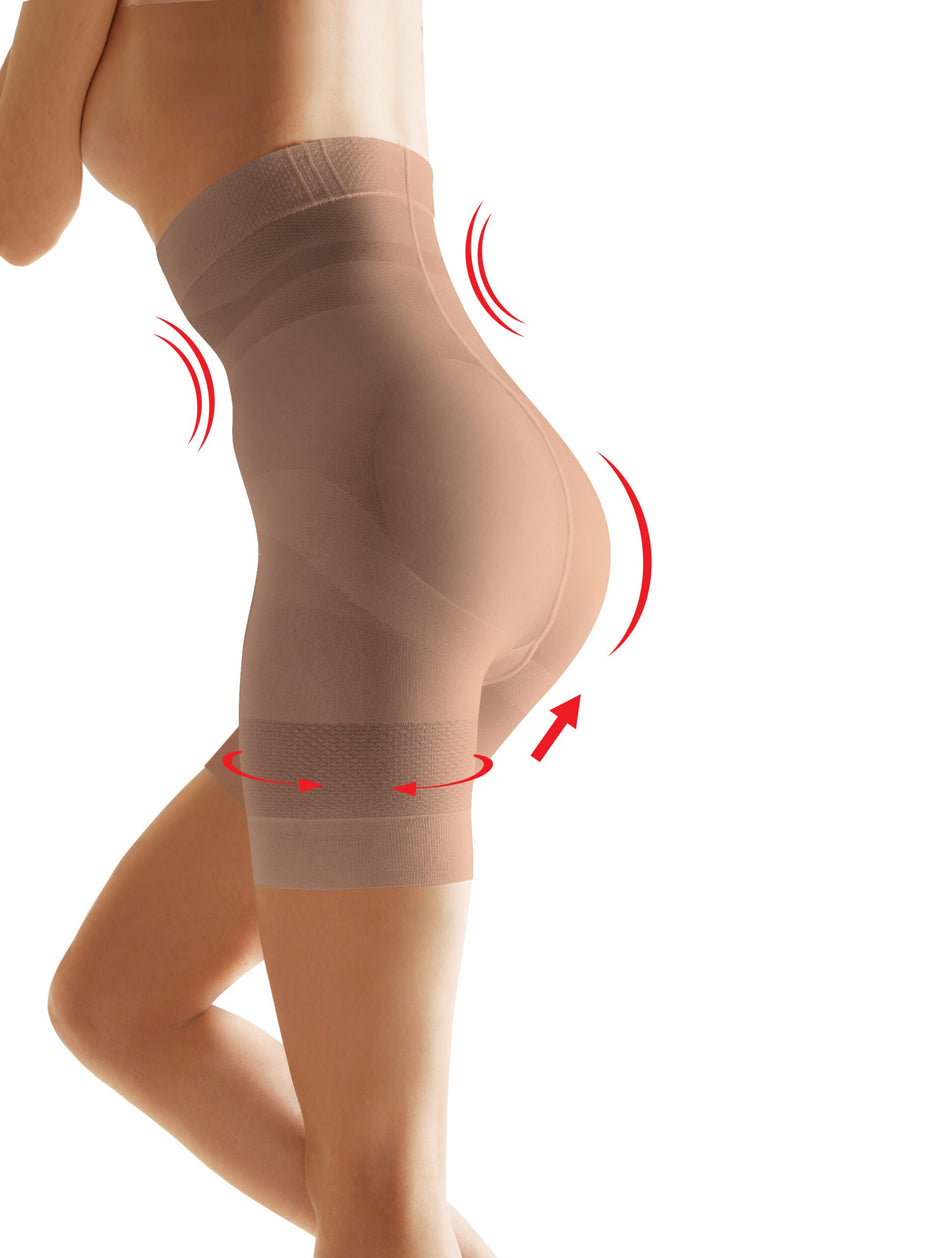
| Seamless | Medium | High | Very high | No seams reduces the risk of tears in critical areas | Under tight clothing |
| Zonal Reinforcements (toes, panty) | Medium | Very high in critical areas | Medium | Additional layer of material in the most exposed areas | For daily, long-term use |
| "Run Resistant" Technology (ladder-stop) | High | Maximum – limits laddering | Medium | Special structure prevents "ladders" from running | For those whose tights frequently ladder |
| Classic Weave (standard) | Medium | Medium | Medium | Basic technology, without additional reinforcements | For occasional wear |
| Ultra-thin Weave (8–15 DEN) | Low | Low | High | Delicate structure – aesthetic but prone to damage | For special occasions |
Does the way tights are used affect their durability?
It's worth knowing that the way tights are used has a huge impact on their durability. Even the most durable tights made of high-quality materials can quickly get damaged if improperly used, washed, or stored.
To ensure that tights maintain an impeccable appearance and last a long time, they should be put on carefully. It's best to roll the tights from top to bottom and then gently pull them up the legs. When taking them off, also proceed carefully, without quick and strong tugging, so as not to stretch the tights or risk snagging them. When washing, it's best to ensure that the tights are placed in protective bags. And they should be stored in a place where they don't come into contact with sharp surfaces.
FAQ – frequently asked questions:
1. Are more expensive tights more durable?
No, more expensive tights are not always more durable. Very often, a higher price means better material quality, which translates into greater durability. However, the composition is key here, not the price.
2. What tights are best for everyday wear?
For everyday wear, 40-60 DEN tights with elastane are best, as they are resistant to abrasion and snagging while also ensuring comfort.
3. Are opaque tights more durable than sheer ones?
Yes, thicker tights from 40 DEN upwards are more durable than sheer tights below 40 DEN.