 Apr 28, 2026
Ranking of materials used for tights
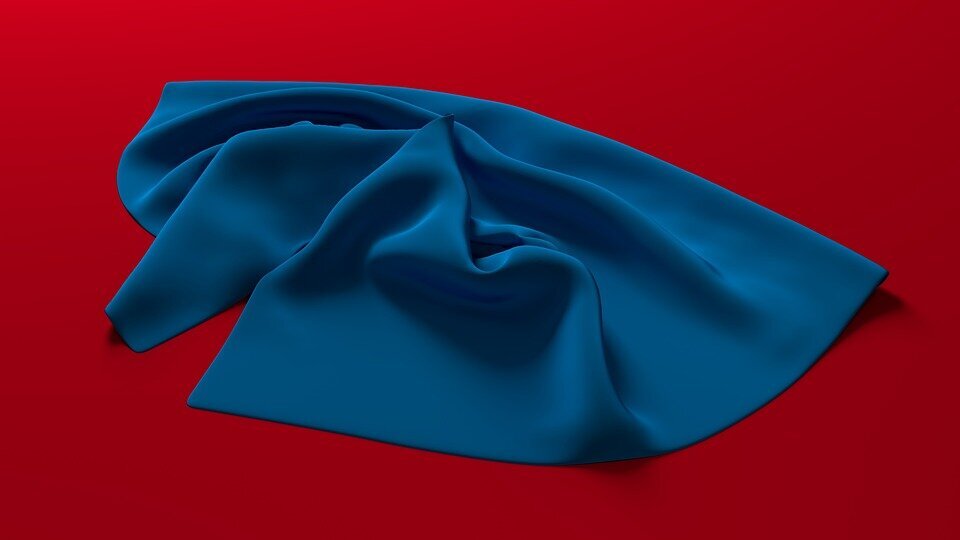
Tights are made from materials known for their durability, elasticity, and snag resistance. Good quality tights should be made from materials that conform well to the skin, are soft, lightweight, and breathable. In practice, tights are made from a blend of different materials.
Do you want to find out which tights are the best? It’s worth learning about the best materials used in tights production to know which model will offer the highest durability, softness, and snag resistance. Knowing more about the quality of materials in tights production makes it easy to choose models that will meet your expectations.
What materials are used to make tights?
| Material | Characteristics | Advantages | Disadvantages | Application |
| Polyamide (nylon) | Synthetic fiber, most commonly used in tights | light, durable, smooth, aesthetic appearance | less breathable than natural materials | thin and classic tights, elegant models |
| Elastane (Lycra) | Very elastic fiber added to other materials | body fit, wearing comfort, no wrinkling | does not occur independently – only as an additive | practically all tights (as an additive) |
| Microfiber | Very thin synthetic fibers (a type of polyamide) | soft, pleasant to the touch, good coverage, warm | less breathable on warmer days | opaque tights, autumn and winter |
| Cotton | Natural plant fiber | breathable, soft, skin-friendly | less elastic, can stretch | everyday tights, warmer models |
| Wool | Natural animal fiber | very warm, good thermal insulation | thicker, can "itch", requires delicate care | winter tights |
| Viscose | Artificial fiber of natural origin | soft, pleasant to the skin, light | less durable than polyamide | comfortable tights, as an additive to the composition |
| Polyester | Synthetic fiber with high durability | resistant to damage, durable | less breathable, less soft | cheaper tights models |
| Silk | Natural, luxurious fiber | very soft, delicate, elegant | expensive, not very durable | exclusive tights |
| Acrylic | Synthetic fiber imitating wool | light, warm, cheaper than wool | less durable, can pill | winter tights (alternative to wool) |
Which material in tights is considered the best?
Microfiber is considered the best material for tights production. It is characterized by its softness, delicacy, and pleasant-to-the-touch texture. Microfiber tights are opaque and very durable, and moreover, they are excellent for colder days. Polyamide with elastane is also highly rated. This blend adheres well to the skin, is elastic, and provides high wearing comfort. In this blend, elastane ensures that the tights fit nicely and snugly to the legs, do not wrinkle, and maintain their shape.
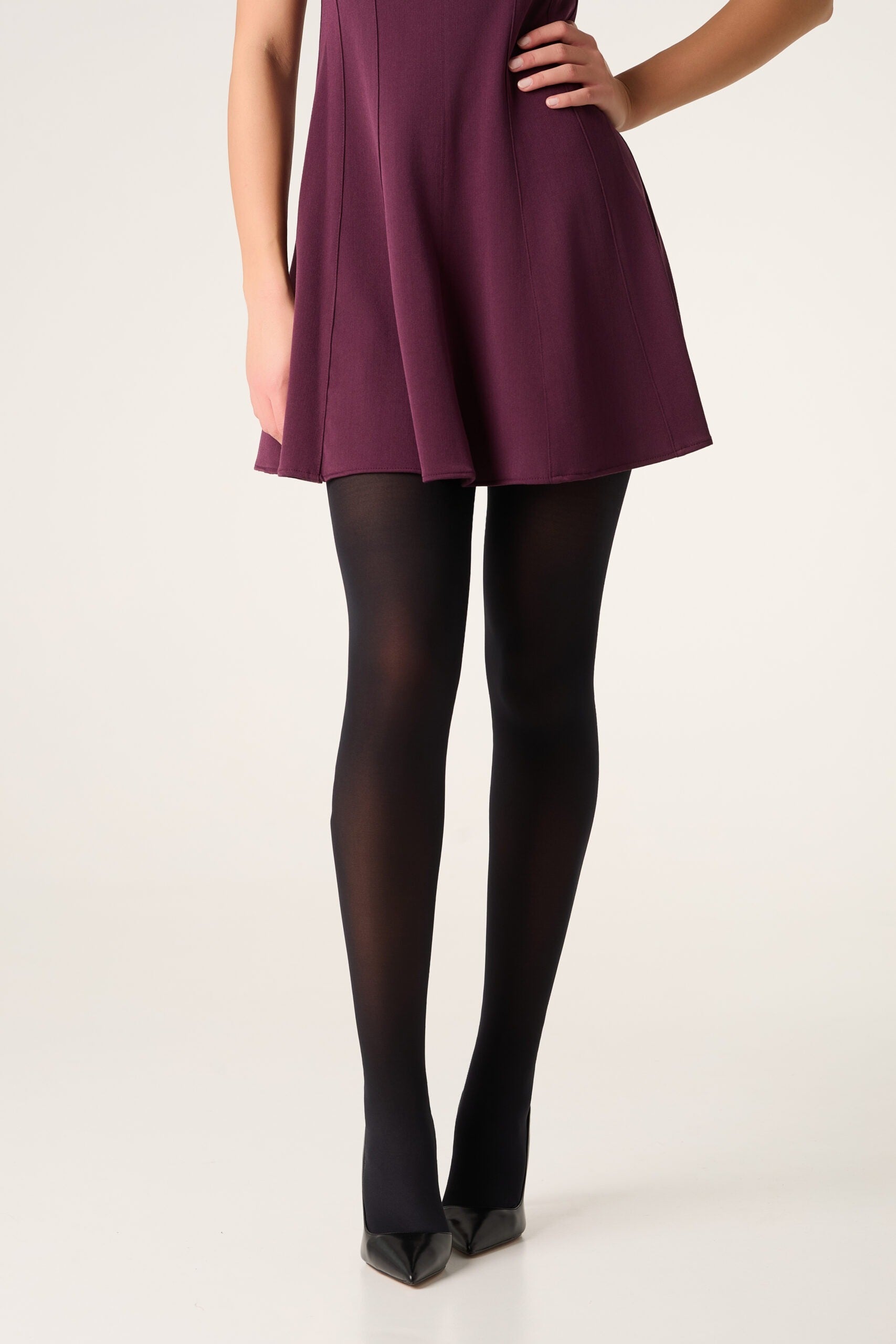
A good example of tights made from high-quality and the best materials are TROCADERO classic women's tights - elegant - fashionable - 40 den. They are available in various colors, but black is the most popular. They have a matte finish, so they do not reflect light, and thus slim the legs. Their advantage is also that they are feather-light, so they are almost imperceptible on the skin when worn.
Why is polyamide such a popular material in tights?
Polyamide is the most frequently used material in tights production because it is lightweight, durable, and drapes beautifully on the legs. Additionally, it can be used to make thin tights for summer, as well as thicker tights for colder days. Polyamide tights can be sheer, semi-opaque, and completely opaque.
We have prepared Brillante 20 den shiny tights - thin and light, which contain as much as 92% polyamide, meaning they are incredibly soft yet remain sheer. They are characterized by their durability, which means these tights will serve women for a long time.
What role does elastane play in tights?
Elastane in tights is an additive without which it is difficult to imagine modern tights. Usually, elastane is only a small addition to the composition of tights, but it affects wearing comfort. It is responsible for the elasticity, proper fit, and resilience of the material. It is elastane that makes tights adhere better to the skin and prevents them from slipping during wear. It should also be noted that tights with elastane are comfortable for everyday wear.
TROCADERO thin tights - classic women's - 20 den are a good example of tights that contain as much as 8% elastane, meaning they are durable, comfortable, and lightweight to wear. They are perfect for everyday wear, to work, and for special occasions.
Which materials are the most durable in tights?
| Material / Blend | Durability Level | Snag Resistance | Stretch Resistance | What affects durability? | Typical Use |
| Polyamide + Elastane | very high | high | very high | elastane proportion (min. 10–20%), dense weave | everyday tights, semi-opaque and opaque |
| Microfiber (with elastane) | very high | very high | very high | thickness (DEN), fiber quality | autumn/winter tights, opaque |
| Polyester + Elastane | high | high | high | fiber quality, finishing additives | cheaper, but durable models |
| Cotton + Elastane | medium | medium | medium | blend of synthetic fibers | everyday tights, warmer |
| Wool + Additives | medium | medium | medium | spinning method, fiber blends | winter tights |
| Viscose + Additives | lower | low | medium | proportion of synthetics in the composition | comfortable tights |
| Pure Polyamide (thin) | lower | low | medium | very low thickness (e.g., 8–20 DEN) | elegant, very sheer tights |
| Silk | lower | low | low | delicacy of the fiber | luxury models |
| Acrylic | lower | low | medium | susceptibility to pilling | winter tights (cheaper) |
FAQ – Frequently Asked Questions
1. Which materials in tights are the most durable?
The most durable materials in tights are blends of polyamide and elastane.
2. Are polyamide tights more durable than others?
Yes, polyamide tights are more durable than others because they are characterized by high strength and snag resistance.
3. Why does elastane increase the durability of tights?
Elastane increases the durability of tights because it affects their elasticity and reduces the risk of snagging.